Sludge Pump Types: A Comprehensive Guide
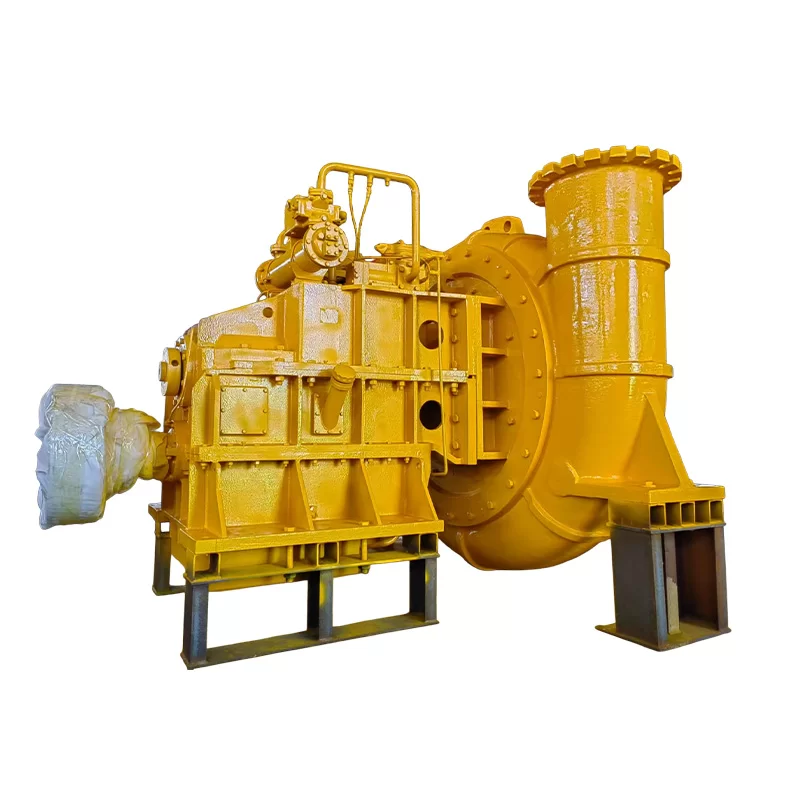
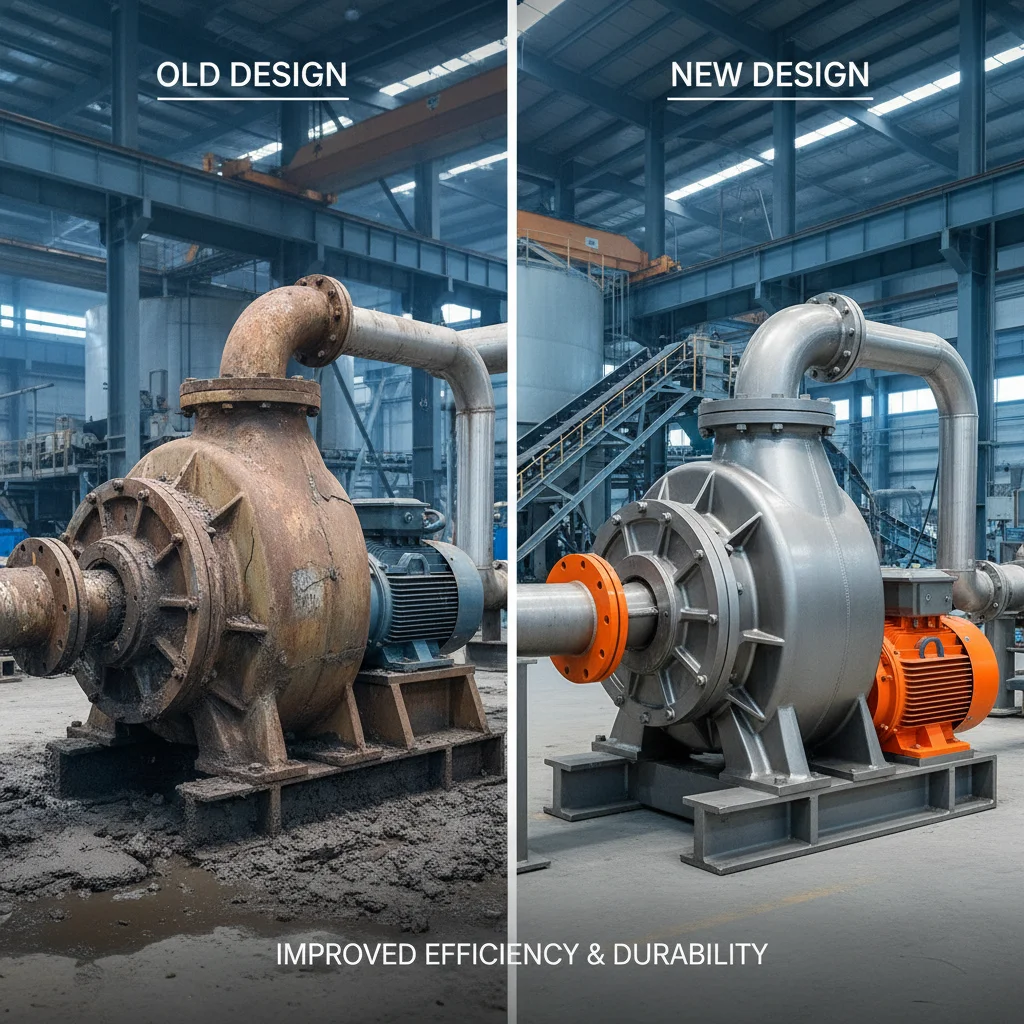
Selecting the right sludge pump is crucial for efficient and reliable wastewater management. Different applications demand different pump types, each with its own strengths and weaknesses. This article will explore the various sludge pump types available, helping you make an informed decision for your specific needs. Understanding these differences ensures optimal performance and minimizes operational downtime. Choosing the wrong pump can lead to inefficiencies, costly repairs, and even safety hazards. HiHorn Pump offers a wide range of solutions for all your sludge handling requirements.
Centrifugal Sludge Pumps
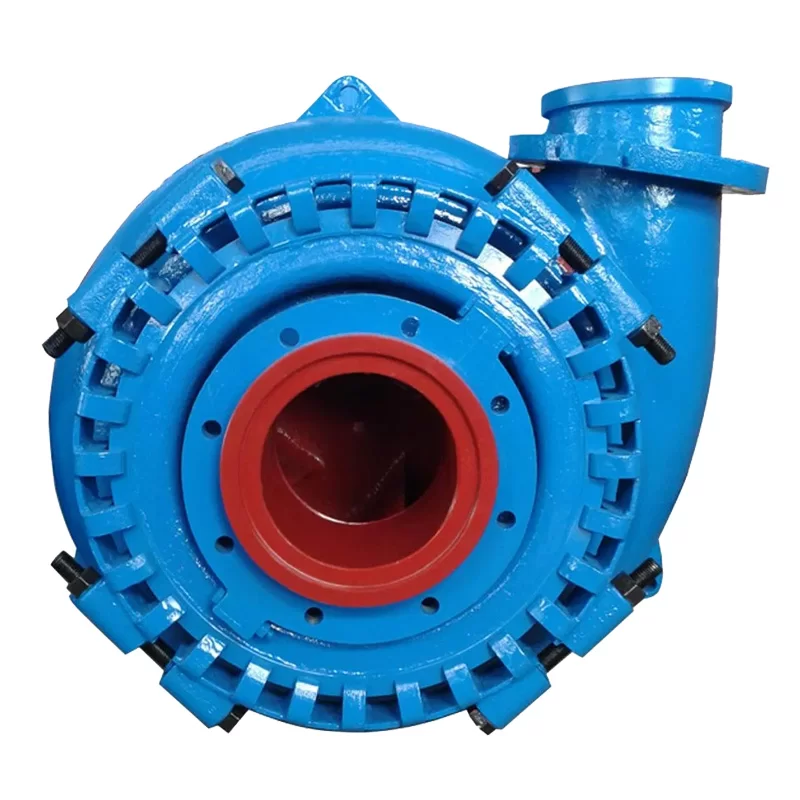
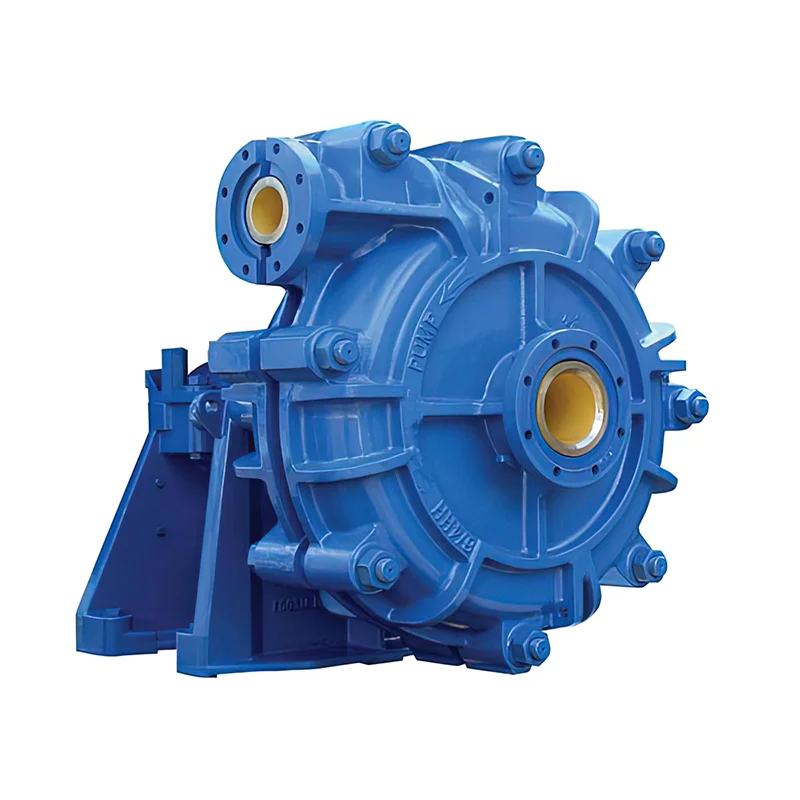
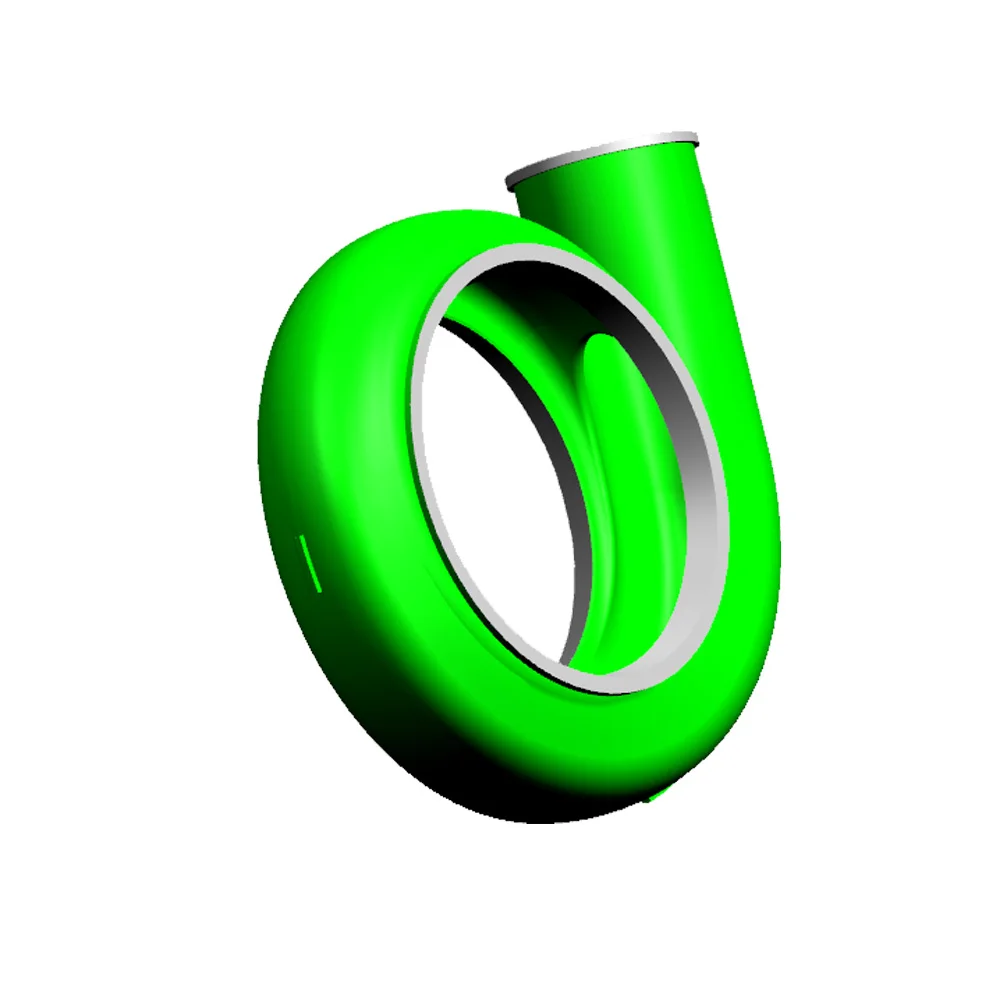
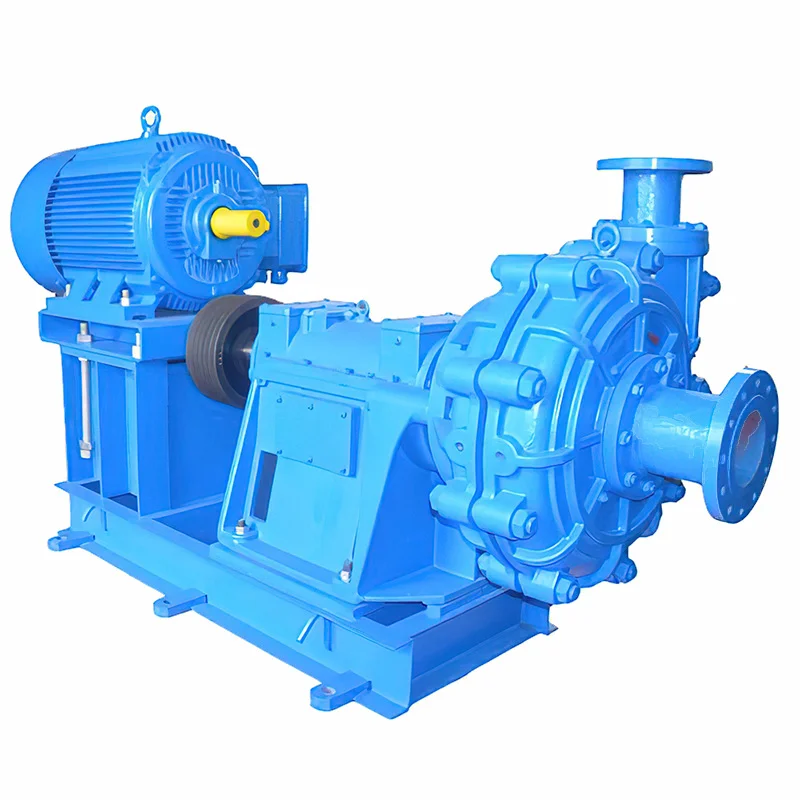
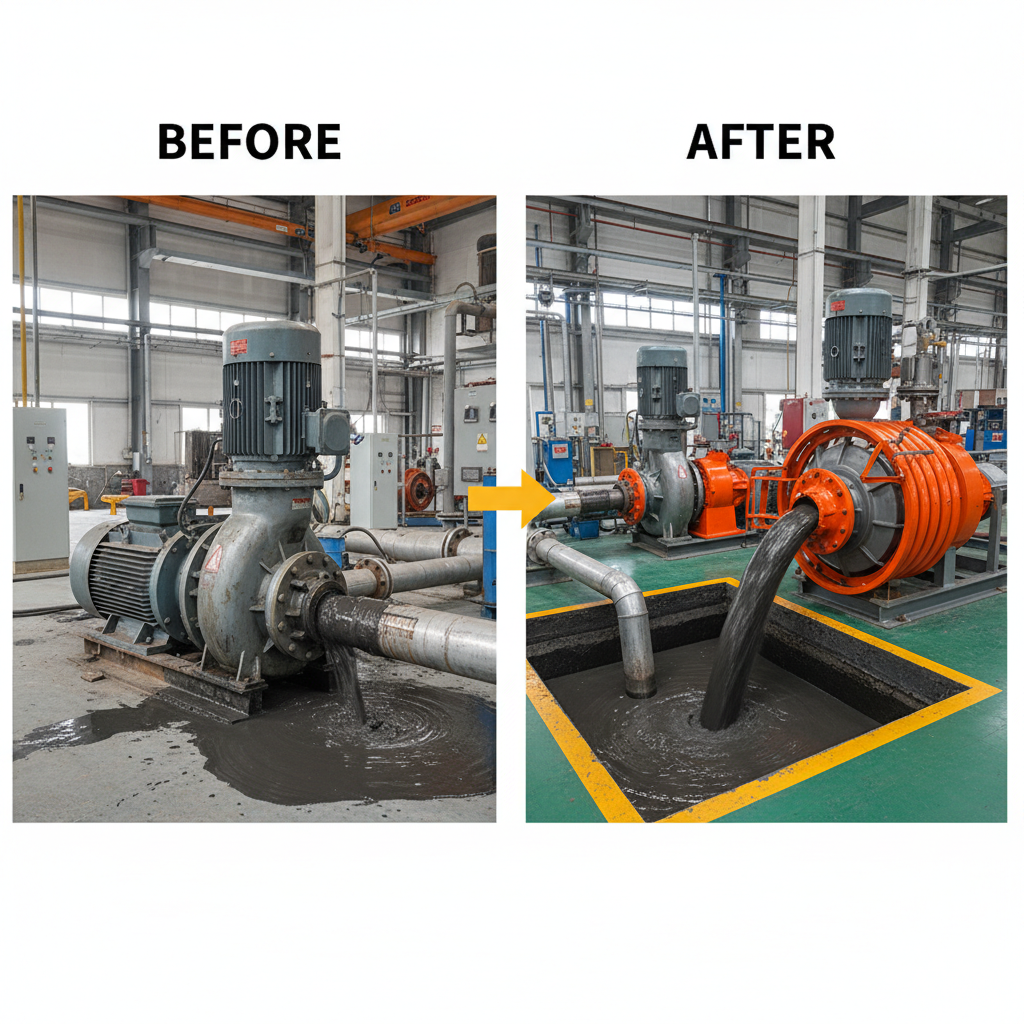
Centrifugal pumps are the most common type of sludge pumps, known for their simplicity and cost-effectiveness. They utilize a rotating impeller to generate centrifugal force, moving the sludge through the system. These pumps are best suited for handling relatively low-solids content sludge and are commonly used in primary wastewater treatment and general transfer applications. They are generally not ideal for highly viscous or abrasive sludges. The design is straightforward, leading to easier maintenance and lower initial costs. However, their efficiency can decrease with higher sludge concentrations.
Positive Displacement Sludge Pumps
Positive displacement pumps, such as progressive cavity pumps and diaphragm pumps, excel at handling high-solids, viscous, and abrasive sludges. They operate by trapping a fixed volume of sludge and forcing it through the pump. Progressive cavity pumps are particularly effective for thick sludge, while diaphragm pumps are often used for applications requiring precise dosing or handling of shear-sensitive materials. While they often have a higher upfront cost than centrifugal pumps, their ability to handle challenging sludges can result in long-term savings. They maintain consistent flow rates regardless of changes in sludge viscosity or pressure.
Key Highlights: Positive displacement pumps are ideal for handling high-solids content, viscous, and abrasive sludges, offering consistent flow rates and reliable performance.
Air-Operated Diaphragm (AOD) Pumps
AOD pumps are versatile and self-priming, making them suitable for a wide range of sludge handling applications. They utilize compressed air to drive two diaphragms, creating a reciprocating pumping action. They can handle abrasive and corrosive materials and are often used in applications where explosion-proof operation is required. AOD pumps offer adjustable flow rates and can run dry without damage. However, they can be relatively noisy and less energy-efficient compared to other pump types. HiHorn Pump's AOD pumps are designed for durability and performance.
AOD Pump Benefits:
• Self-priming and can run dry
• Handles abrasive and corrosive materials
• Adjustable flow rates
• Suitable for explosion-proof environments
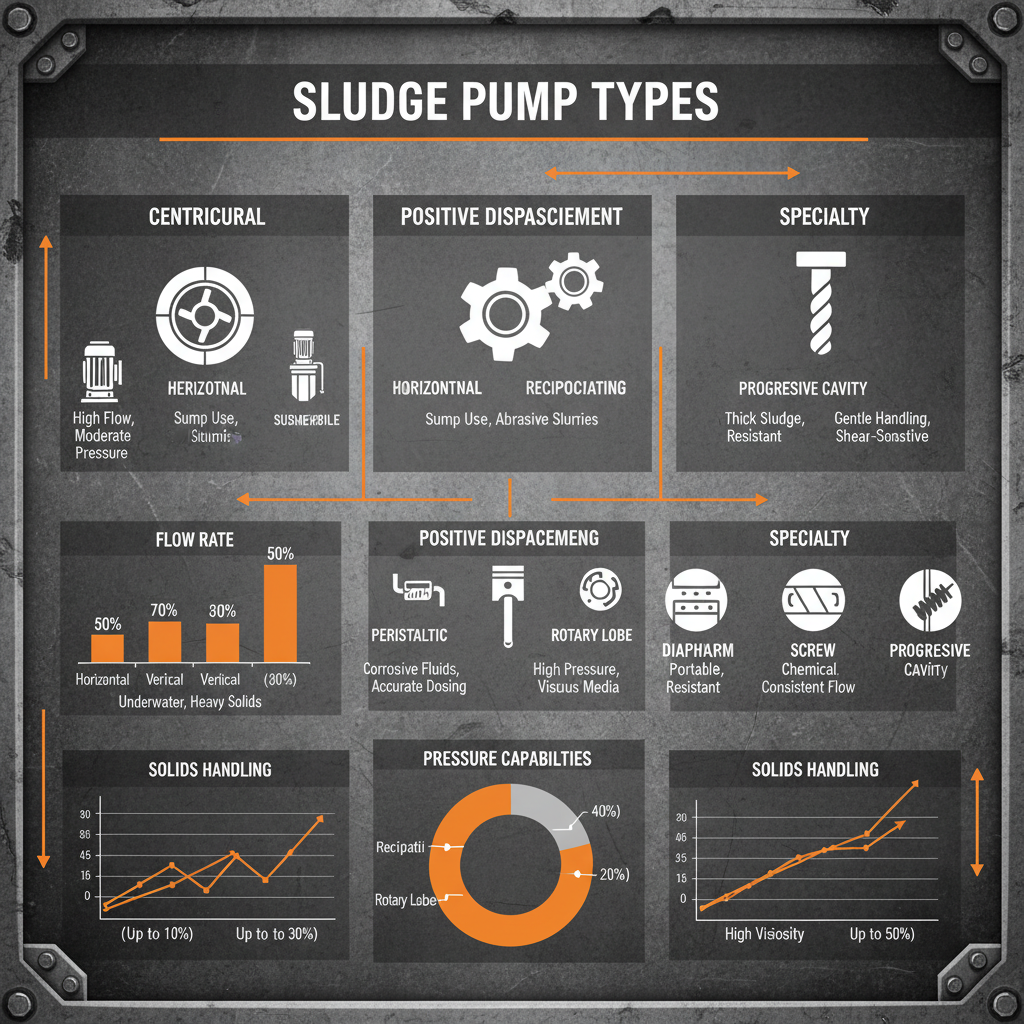
Sludge Pump Types Comparison
Choosing the right sludge pump requires careful consideration of your specific application. The following table compares the key characteristics of common sludge pump types to help you make an informed decision.
Selecting the Right Pump: Key Considerations
When choosing a sludge pump, consider the following factors: the solids content of the sludge, its viscosity, the required flow rate, the presence of abrasive materials, and the overall system head. It's also important to factor in the cost of the pump, its maintenance requirements, and its energy efficiency. HiHorn Pump provides expert guidance to help you select the optimal pump for your specific needs.
Conclusion: Finding the Best Sludge Pump Solution
Investing in the Right Sludge Pump
Selecting the right sludge pump is essential for efficient and reliable wastewater treatment. Understanding the different sludge pump types and their respective strengths allows you to optimize your operation and minimize costs. HiHorn Pump offers a comprehensive range of high-quality sludge pumps to meet your specific requirements.
Frequently Asked Questions (FAQs)
What is the best sludge pump for high solids content?
For high solids content sludge, positive displacement pumps, particularly progressive cavity pumps, are generally the most effective. These pumps can handle thick, viscous sludges and maintain consistent flow rates even with varying solids concentrations. They excel in applications where centrifugal pumps struggle due to clogging or reduced efficiency. AOD pumps are also a viable option, especially when abrasive solids are present. It's crucial to consider the specific characteristics of the sludge, such as particle size and shape, when making your selection.
How do I determine the required flow rate for my sludge pump?
Determining the required flow rate involves assessing the volume of sludge that needs to be pumped within a specific time frame. Consider the inflow rate of sludge, the capacity of the treatment system, and any peak flow variations. It's also important to account for the system head, which is the total pressure the pump needs to overcome. Consulting with a pump specialist can help you accurately calculate the required flow rate based on your specific application and system parameters.
What maintenance is required for sludge pumps?
Sludge pump maintenance varies depending on the pump type. Generally, regular inspection of seals, impellers, and other wear parts is crucial. Positive displacement pumps may require periodic rotor and stator replacement. AOD pumps need diaphragm and valve inspection. Lubrication of bearings and other moving parts is also important. Establishing a preventative maintenance schedule based on the manufacturer's recommendations will help ensure optimal pump performance and extend its lifespan. HiHorn Pump offers comprehensive maintenance services and support.