Slurry Pump Types: A Comprehensive Guide
Choosing the right slurry pump is crucial for efficient and reliable material handling across various industries. These pumps are designed to move abrasive, viscous, and corrosive fluids, and come in a diverse range of types, each suited to specific applications. This article provides a detailed overview of different slurry pump types, their advantages, and how to select the optimal solution for your needs. Understanding the nuances of each type ensures maximized performance, reduced downtime, and extended pump lifespan.
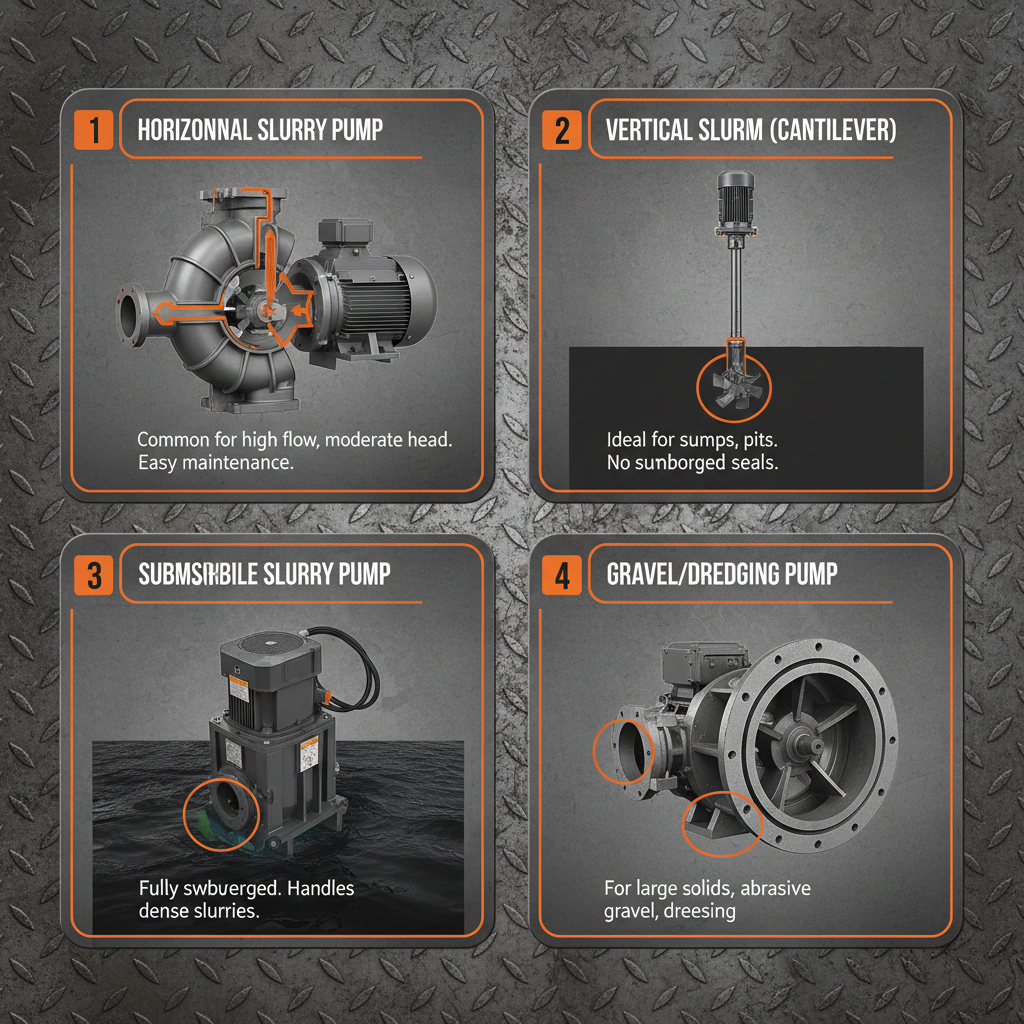
Centrifugal Slurry Pumps
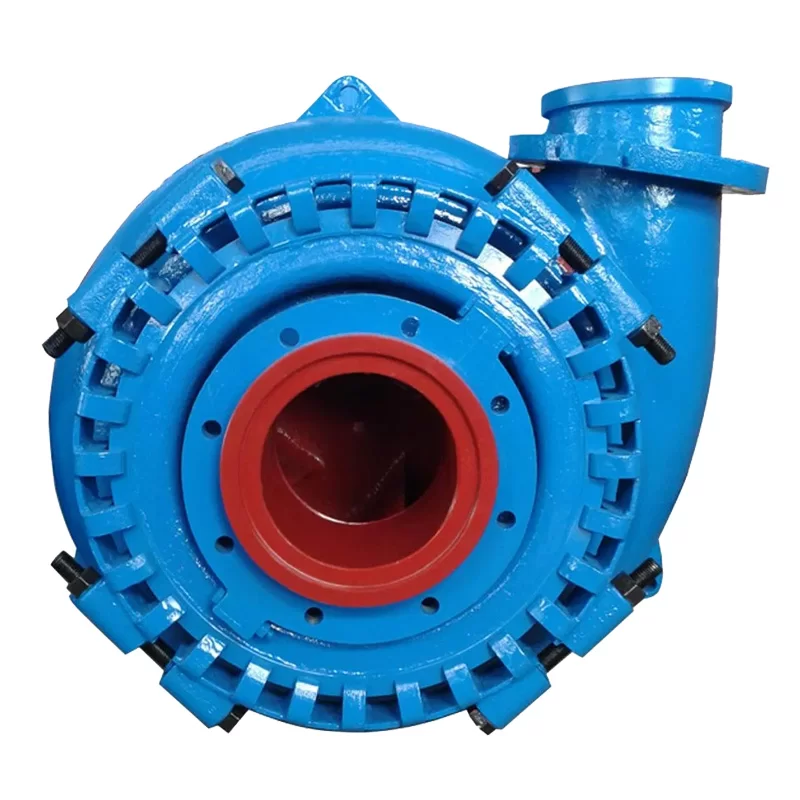
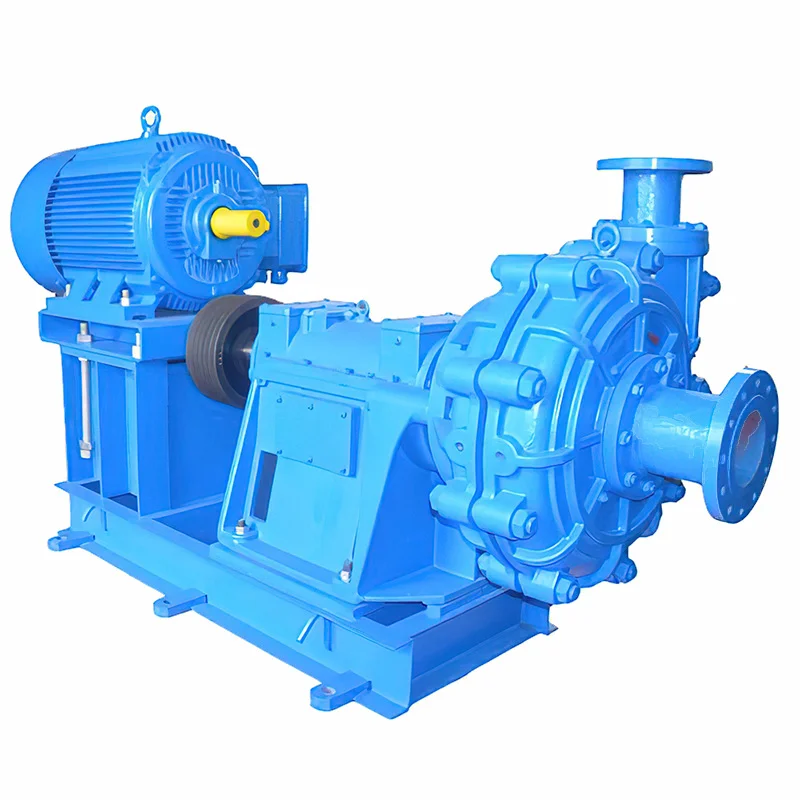
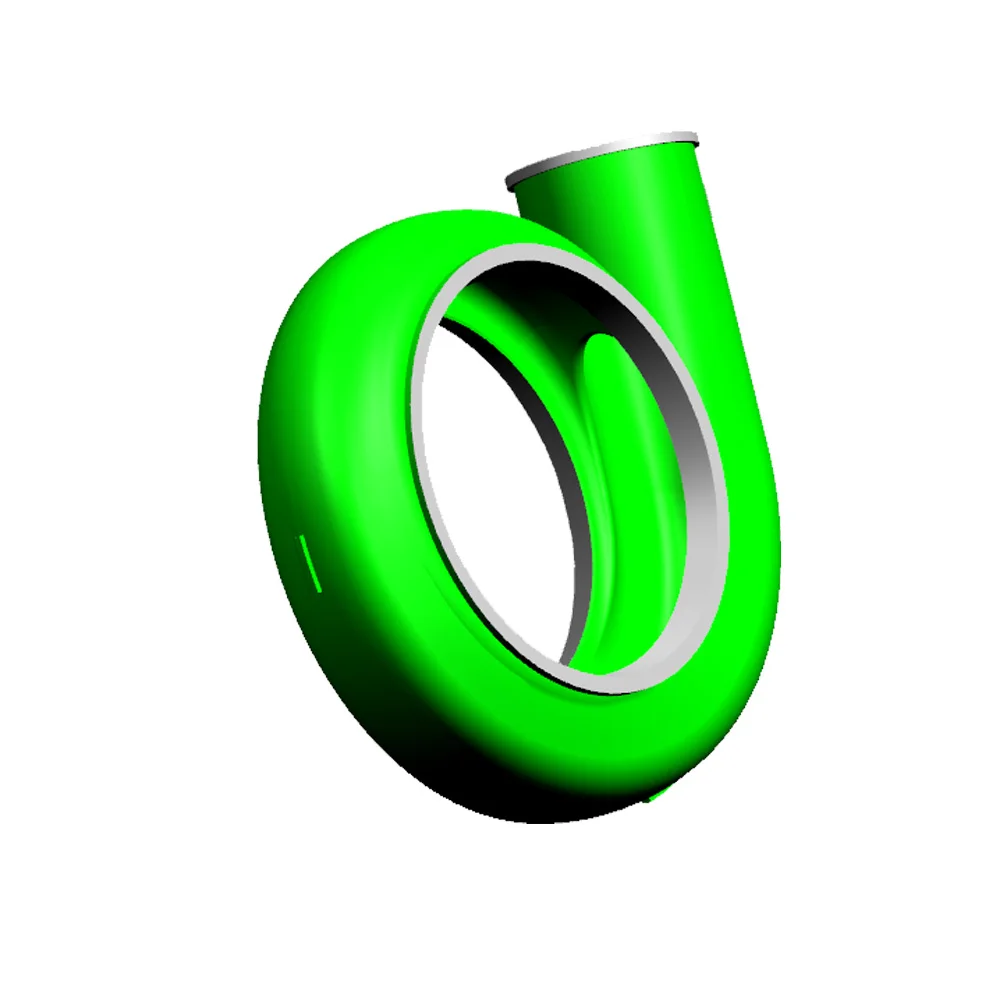
Centrifugal slurry pumps are among the most commonly used types, favored for their relatively simple design, high flow rates, and cost-effectiveness. They utilize a rotating impeller to generate centrifugal force, propelling the slurry through the pump. These pumps are well-suited for applications with lower viscosity slurries and moderate solids content. They are often preferred in mining, wastewater treatment, and aggregate processing. However, their performance can be sensitive to changes in slurry density and solids concentration. Regular maintenance and monitoring are vital to ensure optimal efficiency and prevent wear.
Key Highlights: High flow rates, cost-effective, relatively simple design, suitable for lower viscosity slurries.
Positive Displacement Slurry Pumps
Positive displacement pumps deliver a fixed volume of slurry with each revolution or stroke, making them ideal for applications requiring precise metering and consistent flow rates, regardless of discharge pressure. Common types include diaphragm pumps, peristaltic pumps, and screw pumps. They excel in handling highly viscous slurries and those containing large solids. Diaphragm pumps are particularly effective for abrasive slurries, while screw pumps offer excellent suction lift capabilities. While generally more expensive than centrifugal pumps, their reliability and performance in challenging applications often justify the investment.
Positive Displacement Benefits:
• Precise metering and consistent flow rates
• Excellent for highly viscous slurries
• Capable of handling large solids
• Often self-priming
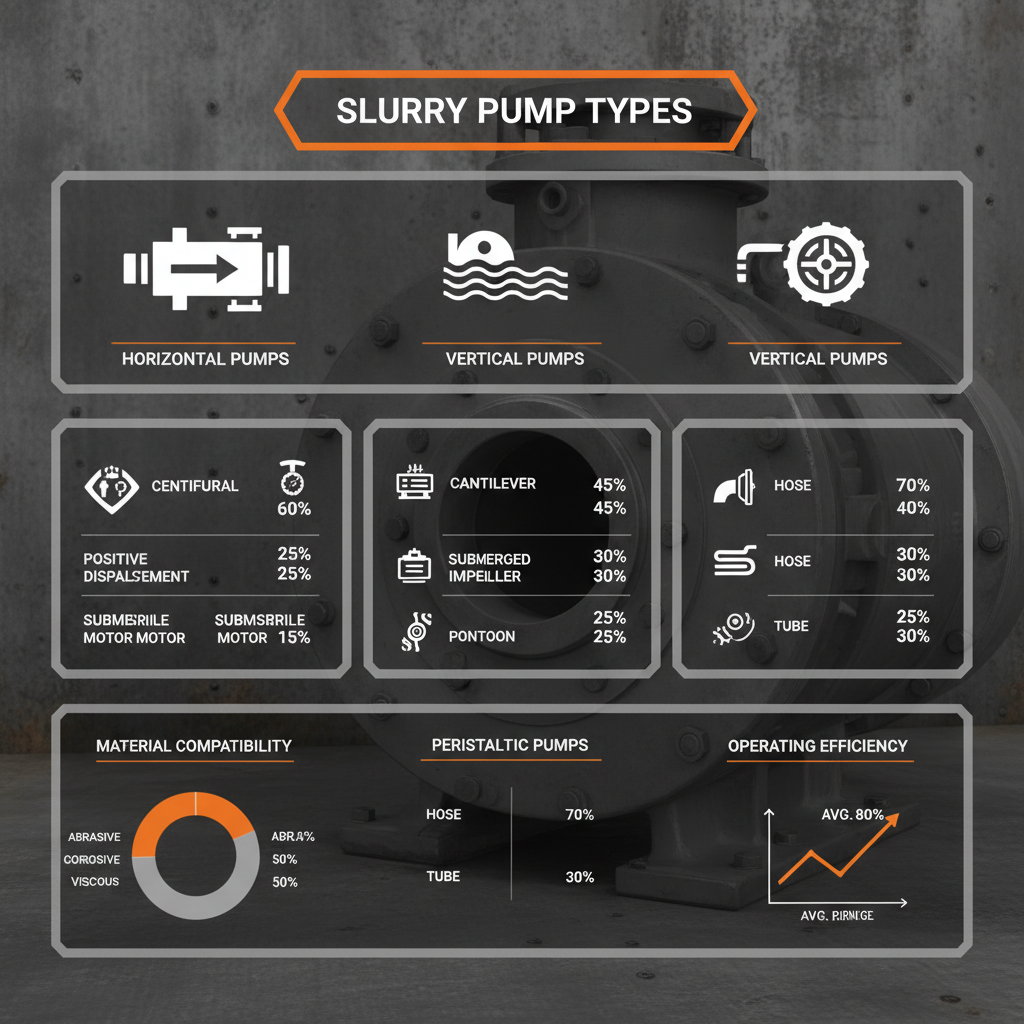
Slurry Pump Types: A Comparative Overview
Selecting the appropriate slurry pump type depends on specific application requirements. Here's a comparison of common types to help guide your decision. Factors to consider include the slurry's viscosity, solids content, abrasiveness, and the required flow rate and head pressure. Understanding these factors will enable you to choose the most efficient and reliable pumping solution.
Vertical Turbine Slurry Pumps
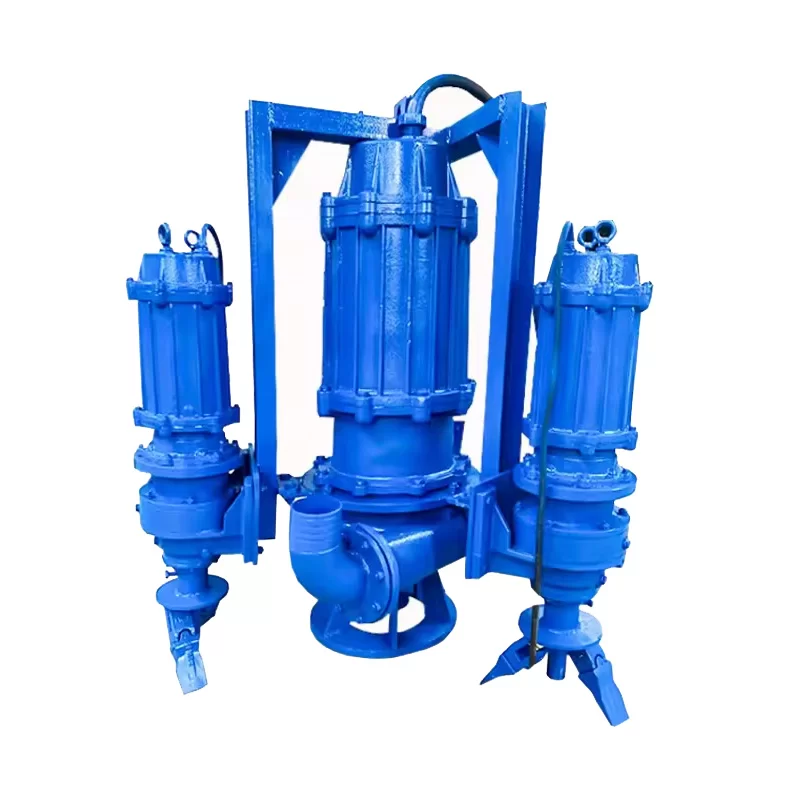
Vertical turbine slurry pumps are designed for submerged applications, such as pumping from sumps, pits, or tanks. They feature a long shaft and impeller submerged in the slurry, eliminating the need for priming and minimizing suction lift issues. These pumps are often used in dewatering applications, mining operations, and wastewater treatment plants. Their robust construction and efficient design make them ideal for handling abrasive slurries in challenging environments.
Choosing the Right Slurry Pump: Key Considerations
Selecting the optimal slurry pump requires careful consideration of several factors. These include the slurry's characteristics (viscosity, solids content, abrasiveness, chemical compatibility), the required flow rate and head pressure, the operating environment (temperature, altitude), and the overall system design. Consulting with a pump specialist can provide valuable insights and ensure you select the most appropriate and efficient solution for your specific application. HiHorn Pump offers expertise in slurry pump selection and customization.
Conclusion: Optimizing Performance with the Right Slurry Pump
Choosing the correct slurry pump type is essential for maximizing efficiency, minimizing downtime, and ensuring reliable operation. By understanding the unique characteristics of each pump type and carefully evaluating your application requirements, you can select the optimal solution for your specific needs. Contact HiHorn Pump today for expert guidance and a tailored pumping solution.
Frequently Asked Questions (FAQs)
What maintenance is required for slurry pumps?
Slurry pumps require regular maintenance to ensure optimal performance and longevity. Key maintenance tasks include inspecting the impeller and liner for wear, lubricating bearings, checking seals for leaks, and monitoring pump vibration. Regularly scheduled maintenance prevents costly breakdowns and extends the pump's service life. Depending on the slurry composition and operating conditions, the impeller and liner may need periodic replacement. HiHorn Pump provides comprehensive maintenance services and spare parts.
What is the best slurry pump for abrasive slurries?
For abrasive slurries, positive displacement pumps like diaphragm and peristaltic pumps are often the best choice due to their ability to handle solids without significant wear. Centrifugal pumps can also be used, but require wear-resistant liners and impellers. The key is to select materials that are highly resistant to abrasion, such as high-chrome alloys or ceramic materials. Proper pump selection and material choice are crucial for minimizing wear and maximizing pump life when handling abrasive slurries.
How do I determine the appropriate flow rate for my application?
Determining the appropriate flow rate requires analyzing the process requirements. Factors to consider include the volume of slurry to be moved, the distance it needs to be transported, and the required processing time. Calculating the slurry's flow velocity is also important to prevent settling or erosion. Consulting with a pump specialist can help you accurately assess your needs and select a pump with the appropriate flow rate and head pressure. HiHorn Pump's engineers can assist with flow rate calculations and pump sizing.
What materials are slurry pumps made of?
Slurry pumps are constructed from various materials depending on the slurry's composition and abrasiveness. Common materials include cast iron, stainless steel, high-chrome alloys, and ceramic. Cast iron is often used for less abrasive slurries, while stainless steel provides corrosion resistance. High-chrome alloys are preferred for abrasive slurries, and ceramic materials offer exceptional wear resistance in extreme conditions. Selecting the right material is critical for maximizing pump life and minimizing maintenance.