Slurry pumps selection is a critical process across numerous industries, from mining and wastewater treatment to agriculture and chemical processing. The efficient and reliable transport of abrasive or dense fluids—slurries—is essential for operational success and often dictates the overall cost-effectiveness of a project. Effective slurry pumps selection considers not just initial purchase price but also long-term factors like maintenance, energy consumption, and downtime. Understanding the nuances of slurry composition, flow rates, and pipeline characteristics is paramount to prevent premature wear, blockages, and system failures.
The global market for slurry pumps is substantial and continues to grow, driven by expanding industrialization in emerging economies and increasingly stringent environmental regulations. According to a recent report by Market Research Future, the global slurry pump market is projected to reach USD 4.5 billion by 2030, registering a CAGR of 4.8% during the forecast period. This growth is fuelled by the demand for robust and efficient solutions in handling challenging fluid transport applications. Addressing the challenge of selecting the right pump for a specific slurry is therefore a major concern for engineers and plant operators worldwide.
Proper slurry pumps selection directly impacts operational profitability, environmental compliance, and workplace safety. A poorly chosen pump can lead to costly repairs, production delays, and even environmental incidents. Investing time and resources in a thorough selection process, considering all relevant parameters, is a proactive step towards building a more resilient and sustainable operation. slurry pumps selection is crucial for all these reasons.
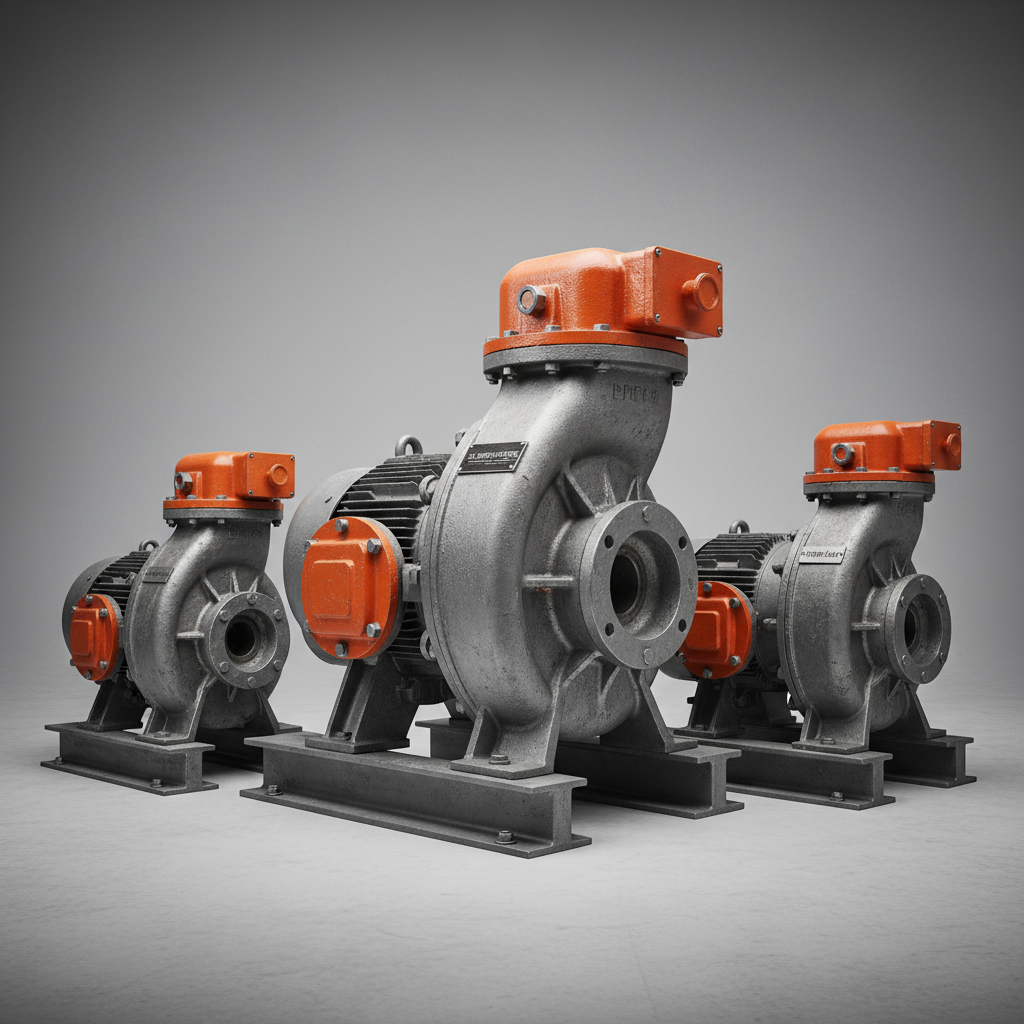
Introduction to slurry pumps selection
Slurry pumps selection isn’t simply about finding a pump that can move a slurry; it’s about finding the pump that moves it most efficiently, reliably, and cost-effectively over its entire lifespan. This involves a detailed analysis of the slurry’s properties—particle size, concentration, abrasiveness, and chemical composition—along with the system’s operational parameters—flow rate, head pressure, and pipeline length. slurry pumps selection is a multifaceted problem.
The proper selection mitigates risks associated with premature pump failure, downtime, and costly maintenance. It also minimizes energy consumption and ensures compliance with environmental regulations. A well-chosen slurry pump contributes to improved process efficiency, reduced operating costs, and a safer working environment. The right pump isn’t just an expense; it’s an investment in long-term operational success.
Defining Slurry Pumps Selection
Slurry pumps selection refers to the comprehensive process of identifying and procuring a pump specifically designed to handle abrasive or dense fluids containing solid particles – the slurries. This isn’t a one-size-fits-all solution. The selection process demands a thorough understanding of both the slurry’s characteristics and the specific requirements of the application. It encompasses evaluating various pump types, materials of construction, and operational parameters to ensure optimal performance and longevity.
This process is fundamental to modern industrial operations and humanitarian efforts alike. In industries like mining, where transporting mineral concentrates is crucial, accurate slurry pumps selection ensures continuous production. Similarly, in wastewater treatment plants, it guarantees effective removal of solids, safeguarding public health and the environment. The link between effective slurry pumps selection and reliable operation is undeniable.
Unlike pumps designed for clean fluids, slurry pumps must withstand the erosive and abrasive forces of solid particles. Therefore, selection criteria extend beyond simple flow rate and pressure requirements to encompass factors like impeller design, casing hardness, and sealing arrangements. Choosing the wrong pump can result in rapid wear, frequent breakdowns, and significant financial losses.
Core Factors in Slurry Pumps Selection
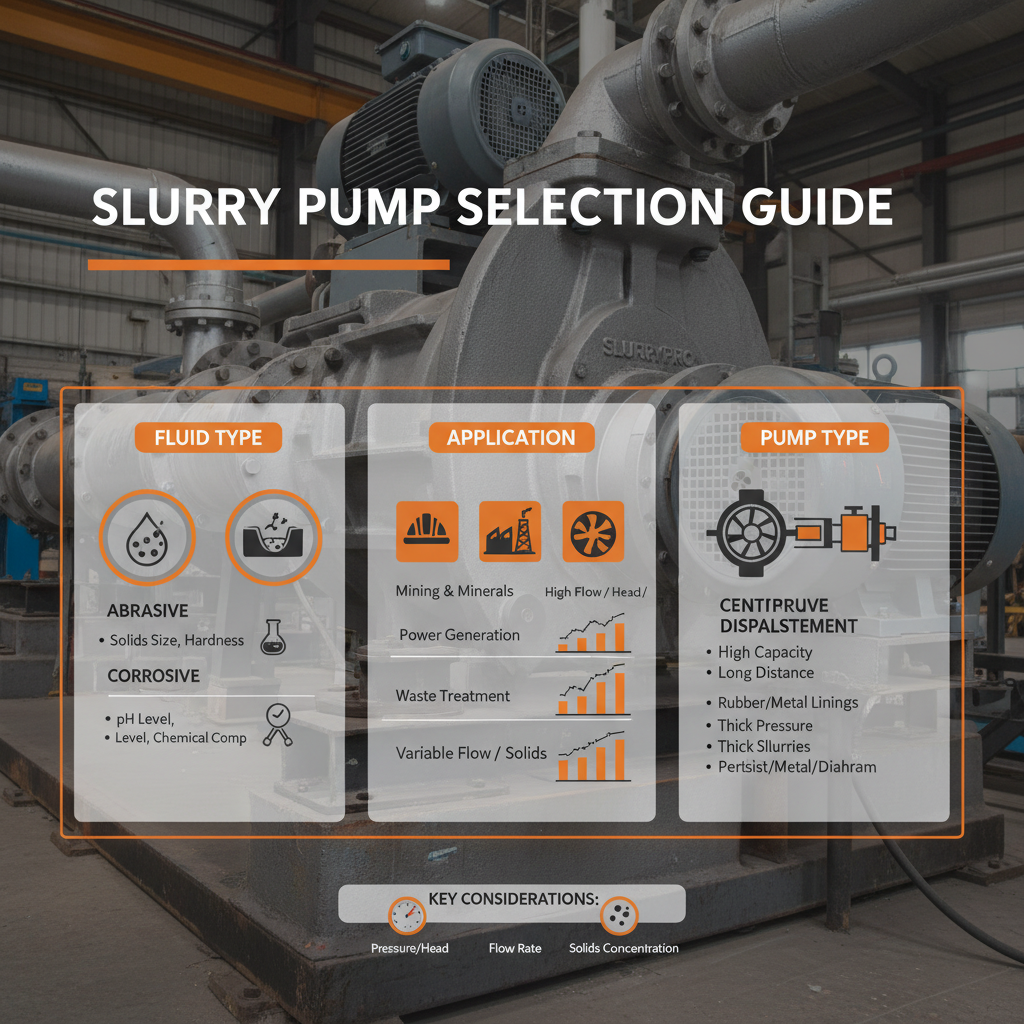
Several key factors influence effective slurry pumps selection. Abrasion Resistance is paramount; the pump's materials must withstand the constant impact of solid particles without excessive wear. Slurry Characteristics such as particle size, concentration, and shape dictate the pump's hydraulic design and impeller type.
Flow Rate and Head Pressure are fundamental parameters defining the pump's capacity to move the slurry against resistance. Accurate calculations are essential to avoid underperformance or energy waste. Pump Type—centrifugal, positive displacement, or diaphragm—depends on the slurry’s properties and the application’s specific needs. Material of Construction influences the pump's resistance to corrosion and abrasion, dictating its lifespan and maintenance requirements. Total Cost of Ownership (TCO) should be considered, including initial cost, energy consumption, maintenance, and potential downtime.
These factors are interconnected. For instance, a highly abrasive slurry demands a pump constructed from hardened materials, even if it comes at a higher initial cost, to minimize long-term maintenance and replacement expenses. Ignoring any of these factors can lead to suboptimal performance and increased operational risks.
Global Applications of Slurry Pumps
Slurry pumps find extensive application across a diverse range of industries worldwide. In the mining industry, they are indispensable for transporting ore slurries from extraction sites to processing plants. Wastewater treatment facilities rely on slurry pumps to handle sludge and other solid-laden waste streams. The oil and gas sector utilizes them for transporting drilling muds and produced water.
In chemical processing, slurry pumps move various process fluids containing suspended solids. The agricultural sector uses them for irrigation and manure handling. Even in dredging operations, slurry pumps play a crucial role in excavating and transporting sediment. These pumps are critical in countries with significant mining activities, such as Australia, Chile, and Canada, and in regions undergoing rapid industrialization, like China and India.
In remote industrial zones lacking readily available maintenance services, the reliability of slurry pump selection is paramount. For instance, in post-disaster relief operations, portable slurry pumps are used to remove debris and contaminated water, providing essential support to affected communities. Accurate slurry pumps selection directly contributes to the success of these critical operations.
slurry pumps selection Performance Comparison
Advantages and Long-Term Value
The advantages of thoughtful slurry pumps selection extend far beyond immediate operational efficiency. Cost Savings are significant, stemming from reduced maintenance, lower energy consumption, and minimized downtime. Increased Reliability translates into consistent production and reduced risk of unplanned outages. slurry pumps selection is a proactive investment in reliability.
Enhanced Sustainability is achieved through optimized energy usage and reduced environmental impact. Improved Safety is a crucial benefit, minimizing the risk of pump failures that could lead to spills or hazardous situations. Beyond these tangible advantages, a well-chosen slurry pump inspires confidence and trust, fostering a positive work environment and strengthening the company’s reputation.
Future Trends and Innovations
The future of slurry pumps selection is characterized by several exciting trends. Advanced Materials such as high-chrome alloys and ceramics are enhancing abrasion resistance and extending pump lifespan. Digitalization and the Internet of Things (IoT) are enabling predictive maintenance, remote monitoring, and optimized pump control.
Computational Fluid Dynamics (CFD) simulations are being used to refine pump designs and improve hydraulic performance. The integration of variable frequency drives (VFDs) allows for precise control of pump speed and flow rate, reducing energy consumption and optimizing process efficiency. These advancements contribute to more sustainable and cost-effective slurry handling solutions.
Challenges and Solutions in Slurry Pumps Selection
Despite advancements, challenges remain in slurry pumps selection. Accurate Slurry Characterization can be difficult, as slurry compositions often vary. Erosion and Corrosion continue to be major concerns, especially in aggressive environments. Selecting the Right Sealing System to prevent leakage and contamination is a persistent challenge.
Solutions include utilizing sophisticated slurry analysis techniques, employing advanced materials resistant to erosion and corrosion, and implementing robust sealing technologies. Collaborating with experienced pump manufacturers and utilizing CFD simulations can also help overcome these challenges. slurry pumps selection needs expertise.
Furthermore, investing in operator training and implementing preventative maintenance programs are crucial for ensuring long-term pump reliability and minimizing downtime. Addressing these challenges proactively will unlock further efficiencies and ensure the sustainable operation of slurry handling systems.
Summary of Key Considerations for Slurry Pumps Selection
| Slurry Characteristics |
Pump Type |
Material of Construction |
Operational Considerations |
| Particle Size & Concentration (High/Low) |
Centrifugal, Positive Displacement |
High-Chrome Alloy, Rubber Lining |
Flow Rate, Head Pressure, Duty Cycle |
| Abrasiveness (High/Medium/Low) |
Slurry pumps designed for abrasive slurries |
Ceramics, Hardfacing |
Intermittent vs Continuous Operation |
| Corrosivity (High/Medium/Low) |
Diaphragm pumps for corrosive slurries |
Stainless Steel, Plastic Linings |
Operating Temperature and pH |
| Solids Content (%) |
Pumps suited for high solids content |
Wear-resistant coatings |
Pipeline length and elevation |
| Slurry Viscosity |
Positive displacement pumps for viscous slurries |
Materials compatible with slurry composition |
Maintenance accessibility |
| Specific Gravity |
Pumps with appropriate horsepower |
Corrosion-resistant alloys |
Energy Efficiency requirements |
FAQS
One of the most frequent errors is underestimating the abrasive nature of the slurry. Failing to account for particle size distribution, shape, and hardness can lead to premature pump wear. Another common mistake is neglecting the system’s total head—the total pressure the pump must overcome to move the slurry. Inadequate head calculations result in insufficient flow rates. Finally, selecting a pump based solely on initial cost, without considering long-term maintenance and energy expenses, often proves counterproductive.
The impeller material is critically important. It directly experiences the abrasive forces of the slurry, making it the most vulnerable component. High-chrome alloys are commonly used for their excellent abrasion resistance, but other materials like ceramics or rubber linings may be suitable depending on the slurry’s specific properties. Selecting an impeller material that is compatible with the slurry's composition and concentration is crucial for maximizing pump lifespan and minimizing downtime.
Centrifugal pumps are best suited for handling high-volume, low-viscosity slurries with relatively small solids content. They are generally more cost-effective and easier to maintain. Positive displacement pumps, on the other hand, excel at handling highly viscous slurries or slurries with large solids content. They deliver a consistent flow rate regardless of pressure variations, making them ideal for precise metering applications. The choice depends on the slurry’s characteristics and the application’s specific requirements.
Slurry velocity is a significant factor influencing pump wear. Higher velocities generally lead to increased erosion, particularly in areas of high turbulence, such as the impeller and casing. However, excessively low velocities can cause solids to settle, leading to blockages and increased wear. Maintaining an optimal slurry velocity—typically between 2 and 4 meters per second—is crucial for minimizing wear and ensuring reliable pump operation. Proper pipeline design helps achieve this optimal velocity.
Pump sealing is vital for preventing leakage, contamination, and environmental hazards. Slurry applications often require specialized sealing arrangements, such as mechanical seals with hardened faces or gland packing, to withstand the abrasive nature of the slurry. Selecting the appropriate sealing system ensures reliable pump operation and protects the environment. Regular inspection and maintenance of the sealing system are essential for preventing failures.
Estimating TCO involves considering not only the initial purchase price but also ongoing costs such as energy consumption, maintenance, repair, and potential downtime. Factors like pump efficiency, wear rates, and maintenance frequency significantly impact TCO. Utilizing pump performance curves, conducting life-cycle cost analyses, and consulting with pump manufacturers can provide a more accurate assessment of the total cost associated with each pump option.
Conclusion
In conclusion, slurry pumps selection is a complex but essential process that significantly impacts operational efficiency, cost-effectiveness, and environmental sustainability. A thorough understanding of slurry characteristics, pump types, materials of construction, and operational parameters is paramount. Investing time and resources in a careful selection process yields substantial long-term benefits.
Looking ahead, the integration of advanced materials, digitalization, and predictive maintenance technologies will further revolutionize slurry pump performance and reliability. By embracing these innovations and proactively addressing the challenges associated with slurry handling, organizations can optimize their operations and build a more sustainable future. For expert guidance and a wide range of slurry pump solutions, visit our website: www.hihornpump.com