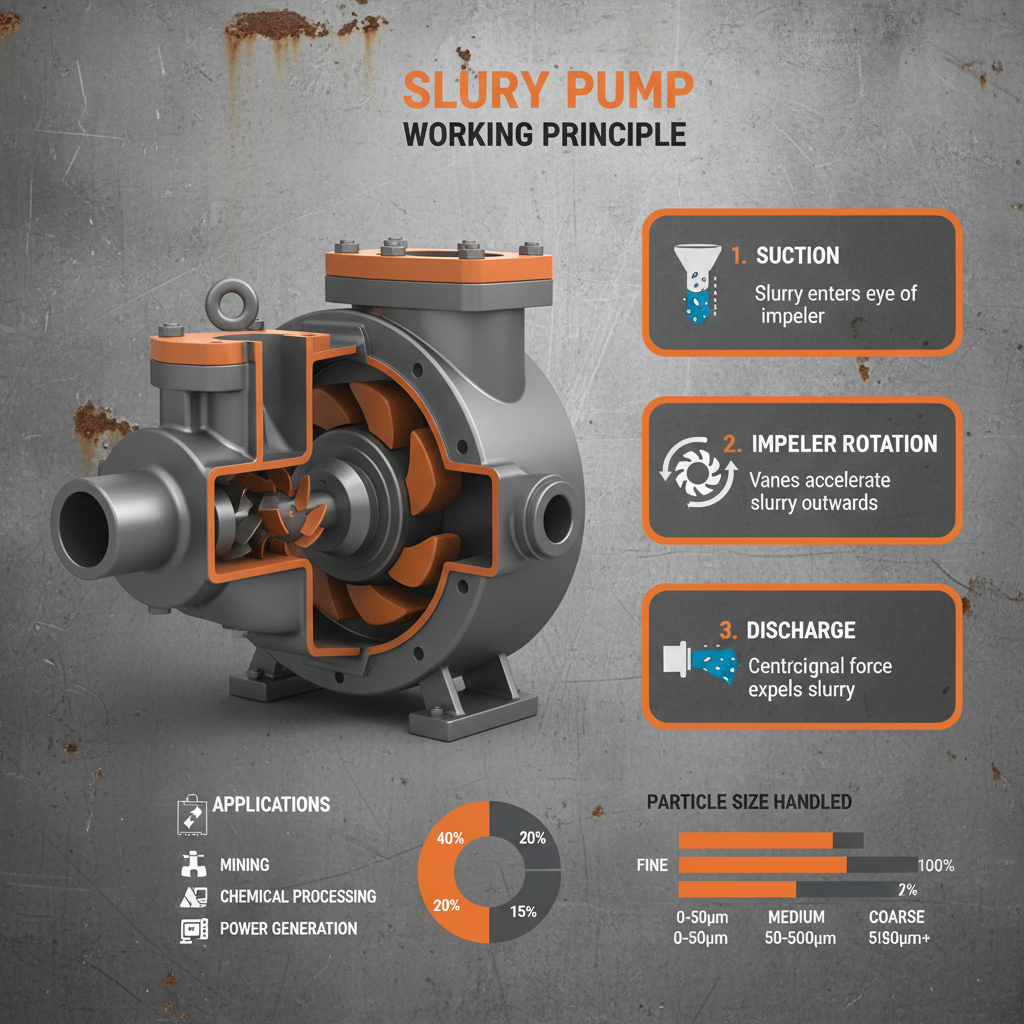
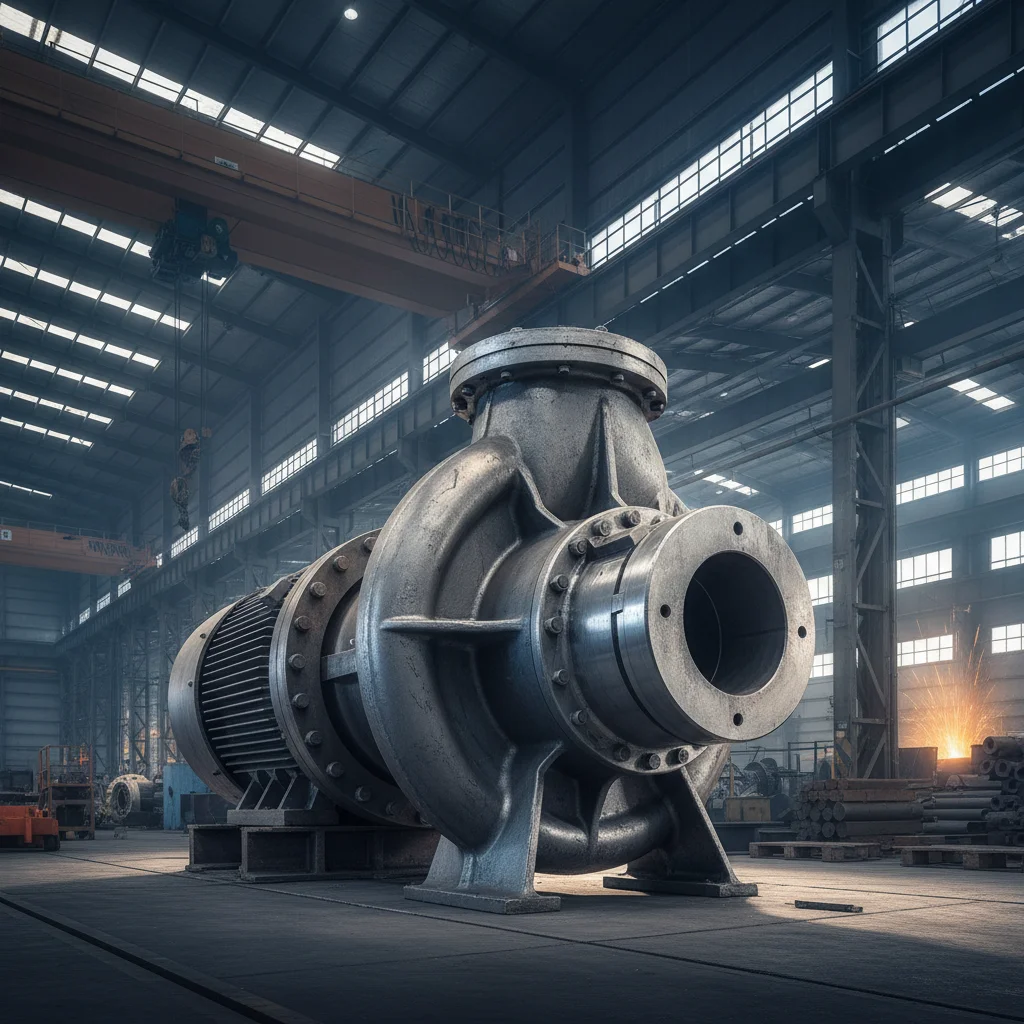
Slurry pump working principle is fundamental to countless industries, from mining and wastewater treatment to chemical processing and even food production. Understanding how these pumps effectively move abrasive and dense fluids isn't just an engineering concern; it's a matter of operational efficiency, cost control, and even environmental safety. The ability to reliably transport slurries directly impacts productivity and reduces downtime, especially in demanding applications. The global market for slurry pumps is significant, projected to reach billions of dollars in the coming years, driven by increasing industrialization and stringent environmental regulations, as reported by organizations like the World Bank and ISO standards.
Historically, moving slurries was a significant challenge, often relying on inefficient and unreliable methods. Early pumps struggled with abrasion, clogging, and premature failure, leading to frequent maintenance and high operational costs. The development of robust slurry pump designs, focusing on materials science and hydraulic engineering, has revolutionized these processes. Modern slurry pumps, like those from Hihorn Pump, slurry pump working principle are designed to withstand harsh conditions and deliver consistent performance, transforming the way industries handle these critical fluid transfer tasks.
Essentially, the slurry pump working principle revolves around overcoming the difficulties inherent in transporting mixtures of liquids and solid particles. It’s about more than just moving fluid; it’s about protecting the pump itself from wear and tear while maintaining consistent flow rates. This isn’t just about theory, it’s about practical application on a construction site where downtime is money, and a pump failure can halt an entire project. Getting this right, understanding the nuances of slurry composition, pump selection, and operational parameters is what separates a smooth operation from a costly headache.
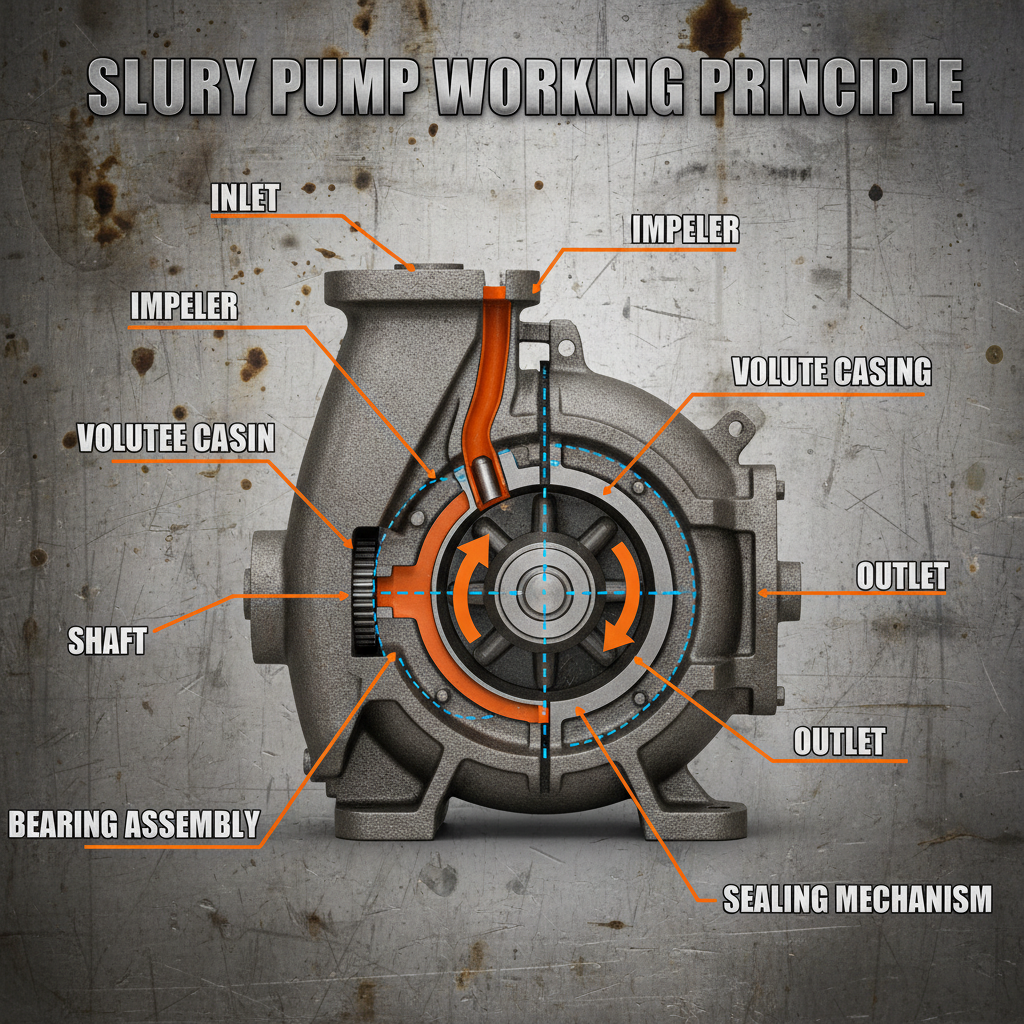
The Importance of Slurry Pump Working Principle
I've spent years on sites watching pumps fail, and it’s rarely a spectacular event – it's a slow erosion of performance, leading to costly downtime. The slurry pump working principle, at its core, addresses this issue. Understanding how factors like particle size, slurry density, and flow velocity impact pump wear is critical. It’s not just about picking the biggest pump; it’s about matching the pump to the slurry. You need to consider the abrasion potential and choose materials that can withstand the onslaught.
The ripple effect of a failing slurry pump is significant. Beyond the direct cost of repair or replacement, there are delays in production, increased maintenance labor, and potentially even environmental issues. That's why a thorough understanding of the slurry pump working principle and proper pump selection are essential for any operation dealing with abrasive fluids.
Defining Slurry Pump Working Principle
Simply put, the slurry pump working principle is the science and engineering behind effectively transporting a mixture of liquids and solid particles. Unlike clear fluids, slurries exhibit unique characteristics that demand specialized pump designs. These characteristics include increased viscosity, higher density, and, most importantly, abrasive properties. A standard centrifugal pump won’t cut it for long. It's a matter of dealing with solids suspension, preventing settling, and resisting erosion.
This isn’t just relevant to heavy industry. Think about wastewater treatment plants – they’re constantly moving sludge, which is essentially a slurry. Food processing plants also utilize slurry pumps for handling ingredients like fruit pulp or grain mixtures. It’s a surprisingly common need, touching many aspects of modern life.
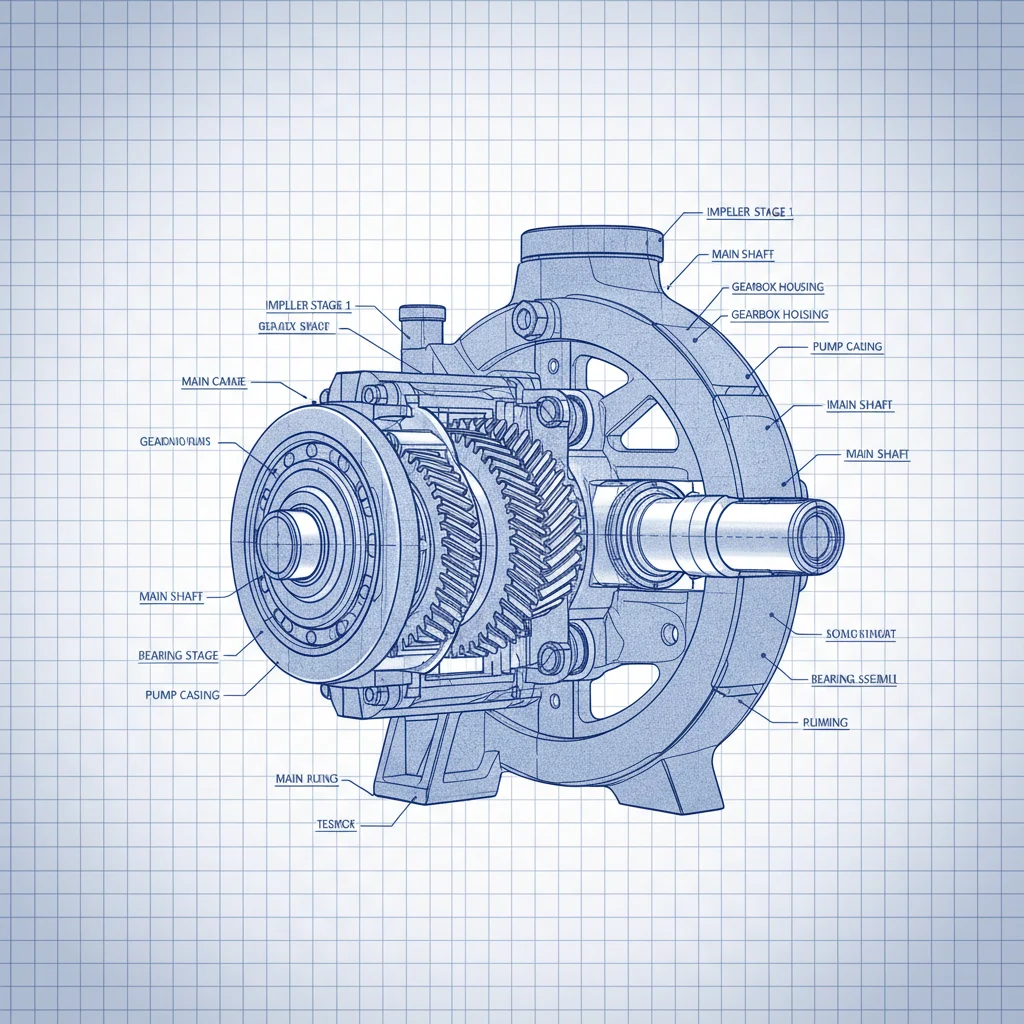
The efficient and reliable operation of a slurry pump relies on several key components working in harmony. From the impeller design, crucial for generating the necessary flow and head, to the robust casing built to withstand internal pressures and abrasion, each element plays a vital role. Understanding how these elements interact to successfully execute the slurry pump working principle is crucial for selecting the optimal pump for specific applications.
Key Factors Influencing Slurry Pump Performance
Durability is paramount. These pumps aren't handling delicate liquids; they're battling a constant assault from abrasive particles. Selecting the right materials – high-chrome alloys, hardened steels, or even rubber linings – is crucial for extending pump life. I’ve seen pumps that were improperly specified fail in a matter of weeks, while others, built with the right materials, continue running for years with minimal maintenance.
Flow rate and head (pressure) are fundamental. Understanding the specific requirements of the application – how much slurry needs to be moved and how high it needs to be lifted – dictates pump size and impeller design. Oversizing a pump leads to inefficiency; undersizing leads to inadequate performance and potential damage. Finding that sweet spot is critical.
Slurry characteristics, like particle size distribution and solids concentration, profoundly affect pump performance. Larger particles and higher concentrations increase wear and require pumps with larger clearances and more robust construction. Knowing the composition of the slurry is half the battle.
Global Applications of Slurry Pump Technology
Mining is a massive consumer of slurry pump technology. From moving tailings (the waste material left over from mining operations) to transporting ore slurries, these pumps are essential for extracting valuable resources. In Australia, South America, and Africa, you’ll find extensive slurry pumping systems keeping mines operational.
Wastewater treatment plants worldwide rely heavily on slurry pumps to handle sludge and other solid-laden waste streams. These applications demand reliable performance and often require pumps that can handle corrosive materials. In urban centers, efficient wastewater treatment is vital for public health and environmental protection.
Chemical processing plants often deal with abrasive and corrosive slurries. Specialized pumps designed with resistant materials, and the right slurry pump working principle are essential for safely and efficiently transporting these materials.
Slurry Pump Performance Indicators
Advantages and Long-Term Value Proposition
Investing in the right slurry pump with a solid grasp of the slurry pump working principle translates directly into cost savings. Reduced maintenance, longer pump life, and minimized downtime all contribute to a lower total cost of ownership. On a construction site, that means projects stay on schedule and within budget.
Environmentally, these pumps contribute to safer and more sustainable operations. Reliable containment of slurries prevents spills and minimizes environmental impact. It’s not just about doing things right; it’s about doing things responsibly.
Future Trends and Innovations in Slurry Pumping
We're seeing a move toward more intelligent pumps with built-in sensors and monitoring systems. These systems can track pump performance, detect early signs of wear, and even predict failures, allowing for proactive maintenance. This is a game-changer for remote operations where constant visual inspection isn’t possible.
New materials are constantly being developed to improve abrasion resistance and corrosion protection. Ceramic materials and advanced polymer coatings are showing promising results, offering even longer pump life in harsh environments.
Digital twin technology is also emerging, allowing engineers to create virtual models of slurry pumping systems to optimize performance and predict behavior under different conditions. This allows for better pump selection and reduces risk.
Challenges and Solutions in Slurry Pump Operation
Clogging remains a persistent challenge, especially with slurries containing fibrous materials or large solids. Proper pump selection, strainer installation, and regular inspection are crucial for preventing blockages. Sometimes, a bit of preventative maintenance goes a long way.
Erosion is inevitable, but can be mitigated through careful material selection and optimized pump operation. Reducing flow velocity and avoiding excessive turbulence can minimize wear. It’s about understanding the specific slurry characteristics and tailoring the pump’s operation accordingly.
Finding skilled technicians who understand the intricacies of slurry pump maintenance can be difficult. Investing in training programs and providing ongoing support is essential for ensuring reliable operation.
Table Summarizing Common Slurry Pump Operational Issues and Solutions
| Issue |
Root Cause |
Impact on Slurry Pump Working Principle |
Recommended Solution |
| Reduced Flow Rate |
Clogging or Internal Wear |
Compromised Hydraulic Efficiency |
Regular Inspection & Cleaning; Material Upgrade |
| Increased Vibration |
Imbalance or Bearing Failure |
Accelerated Wear & Potential Damage |
Balance Impeller; Replace Bearings |
| High Energy Consumption |
Inefficient Pump Design or Wear |
Reduced Overall System Efficiency |
Optimize Pump Selection; Replace Worn Components |
| Premature Seal Failure |
Abrasive Slurry or Improper Installation |
Leaks & Contamination Risk |
Upgrade Seal Material; Ensure Correct Installation |
| Casing Corrosion |
Corrosive Slurry Composition |
Structural Weakness & Potential Failure |
Use Corrosion-Resistant Materials |
| Excessive Noise |
Cavitation or Mechanical Issues |
Reduced Pump Life & Safety Hazard |
Check Suction Conditions; Investigate Mechanical Components |
FAQS
Too often, folks focus solely on flow rate and head, ignoring the slurry’s characteristics. Particle size, density, and abrasiveness are crucial. Choosing a pump that isn’t designed for the specific slurry will lead to premature wear and costly downtime. It’s about understanding the fluid you're moving, not just how much of it you need to move. Proper analysis before selection is paramount to a functional slurry pump working principle.
Regular maintenance is key, but it starts with selecting the right pump for the application. Use wear-resistant materials, monitor pump performance, and address any issues promptly. Avoid running the pump dry, and ensure proper alignment. Small preventative measures can significantly extend pump life. Considering the slurry pump working principle in regular maintenance can dramatically increase its lifespan.
Look for things like reduced flow rate, increased vibration, unusual noises, and leaks. A drop in efficiency is also a warning sign. Don’t ignore these symptoms – addressing them early can prevent more serious damage. The longer you wait, the more expensive the repairs become.
Not always. The appropriate material depends on the slurry’s abrasiveness and corrosivity. Sometimes, a high-chrome alloy is sufficient. Other times, you might need a more exotic material like ceramic. It’s a cost-benefit analysis. Investing in the right materials upfront can save money in the long run.
Impeller design is crucial. Different impeller types are suited for different slurry characteristics. Open impellers are better for handling slurries with large solids, while closed impellers are more efficient for cleaner slurries. Matching the impeller to the slurry is key to maximizing performance and minimizing wear. This is a core tenet of the slurry pump working principle.
Pump speed is a significant factor. Lower speeds generally reduce wear, but also reduce flow rate. Higher speeds increase flow rate, but accelerate wear. Finding the optimal speed requires a careful balance between performance and longevity. It depends on the specific slurry and pump design.
Conclusion
Understanding the slurry pump working principle isn’t just about technical specifications; it’s about practical application and long-term cost-effectiveness. Selecting the right pump, utilizing appropriate materials, and implementing a robust maintenance program are all essential for maximizing pump life and minimizing downtime. It's a holistic approach that considers the entire system, from slurry composition to operational parameters.
As technology continues to advance, we can expect to see even more innovative solutions emerge, including intelligent pumps, advanced materials, and predictive maintenance systems. Staying informed about these advancements and embracing new technologies will be crucial for ensuring optimal performance and sustainability in slurry pumping applications. To learn more about how Hihorn Pump can help you optimize your slurry pumping operations, visit our website: www.hihornpump.com.