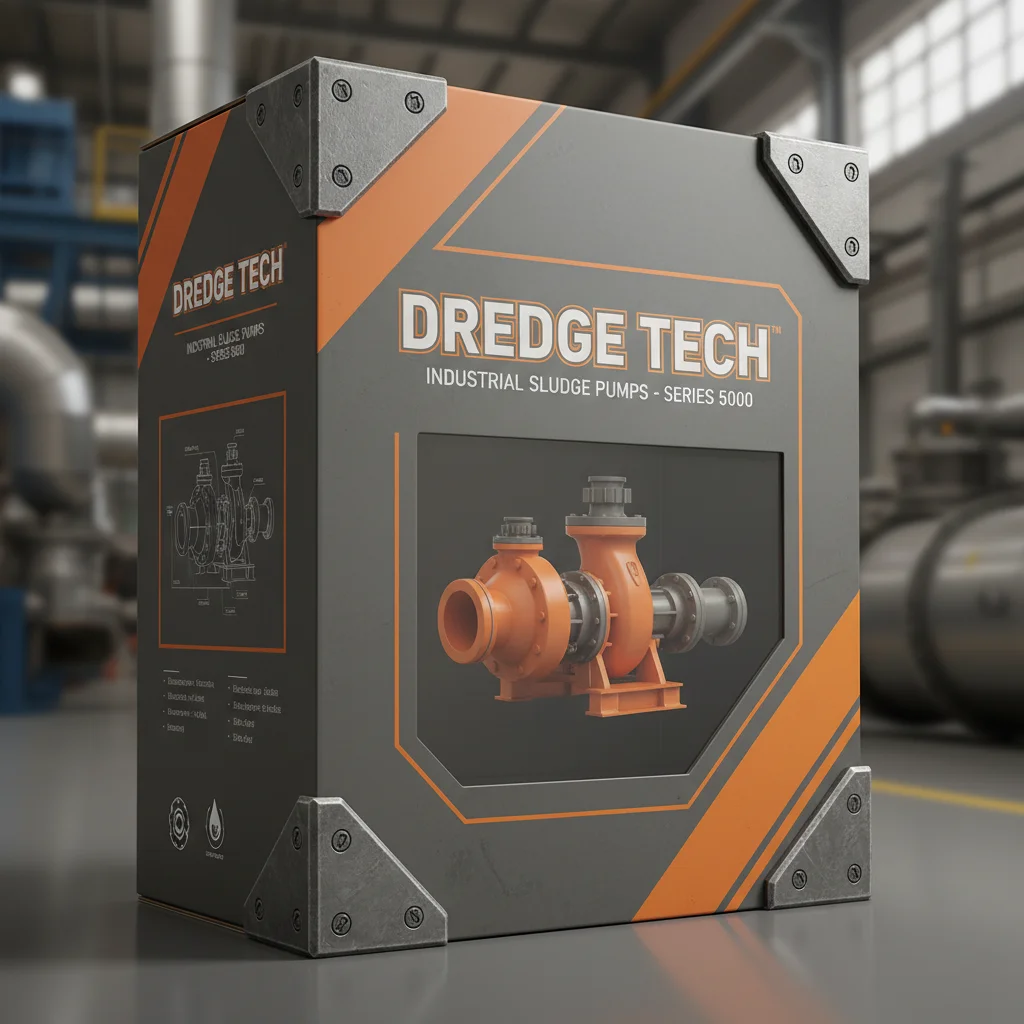
In the demanding landscape of industrial mineral processing and dredging, the efficiency of material transport often hinges on the reliability of the gravel pump. These specialized machines are engineered to handle high-density slurries containing abrasive solids, ensuring that coarse materials are moved without causing catastrophic wear to the system. Understanding the nuances of these pumps is critical for operators aiming to reduce downtime and optimize throughput in harsh environments.
Globally, the demand for high-performance slurry handling solutions has surged as mining and infrastructure projects push into more challenging terrains. Whether it is managing tailings in a remote mine or executing large-scale river dredging, the ability to transport gravel and sand efficiently directly impacts the economic viability of the project. The integration of advanced metallurgy and fluid dynamics has transformed the modern gravel pump from a simple utility into a precision instrument of industrial productivity.
For engineers and procurement managers, choosing the right equipment involves balancing flow rates, head pressure, and wear life. This guide provides a comprehensive exploration of the technology, applications, and future trajectories of the gravel pump, offering insights into how these robust systems maintain the heartbeat of the heavy industry sector.
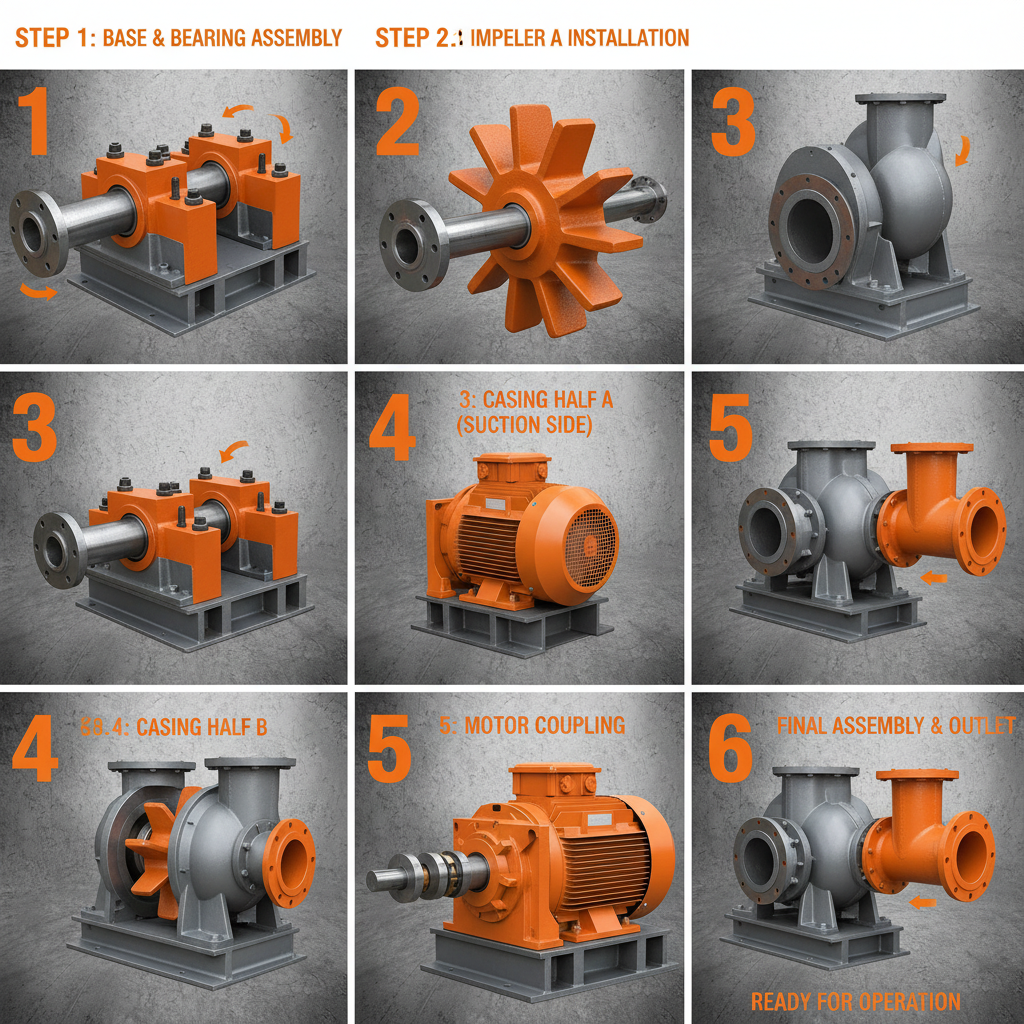
Global Industry Context of Gravel Pumps
The global industrial landscape is currently facing a dual challenge: the depletion of easily accessible mineral deposits and the increasing strictness of environmental regulations. According to data aligned with ISO standards for pump efficiency, the need for equipment that can handle higher solid concentrations with lower energy consumption has never been greater. The gravel pump serves as the primary solution to these challenges, allowing industries to process lower-grade ores and recover materials from deeper, more abrasive sources.
In regions such as Southeast Asia and Latin America, where mining and large-scale hydraulic engineering are pivotal to the economy, the failure of a single pump can lead to millions of dollars in lost revenue. This has shifted the industry focus from "lowest initial cost" to "lowest total cost of ownership," placing a premium on the wear-resistant capabilities of the gravel pump. Modern projects now demand systems that can operate 24/7 with minimal intervention, driving the evolution of materials like high-chrome alloys and natural rubber linings.
Defining the Gravel Pump and Its Purpose
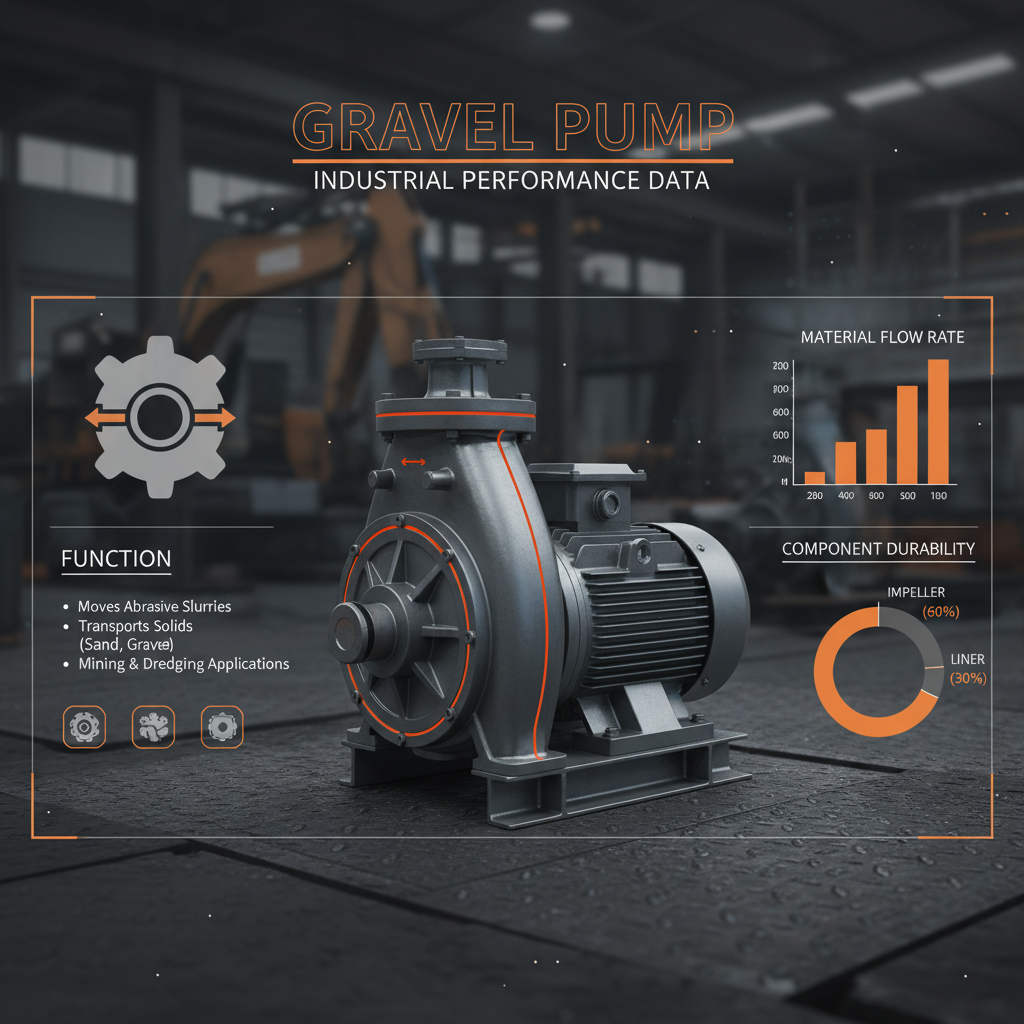
At its core, a gravel pump is a heavy-duty centrifugal pump specifically engineered to transport fluids containing large, abrasive particles such as gravel, sand, and crushed rock. Unlike standard water pumps, which would be eroded in hours by such materials, these pumps feature widened flow passages and reinforced internals to prevent clogging and premature wear.
The primary purpose of these machines is to bridge the gap between extraction and processing. In a typical mining circuit, the pump moves the raw, slurry-like mixture from the pit or the dredging site to the screening and washing plants. By maintaining a consistent flow of solids, the gravel pump ensures that downstream processing equipment is fed at an optimal rate, preventing bottlenecks in the production chain.
Beyond mere transport, these pumps are essential for humanitarian and civic needs, such as flood control and land reclamation. When urban areas face severe flooding with silt-laden water, a robust gravel pump is often the only tool capable of clearing the debris and restoring safety to the community, demonstrating its versatility beyond the industrial mine site.
Core Components for Maximum Durability
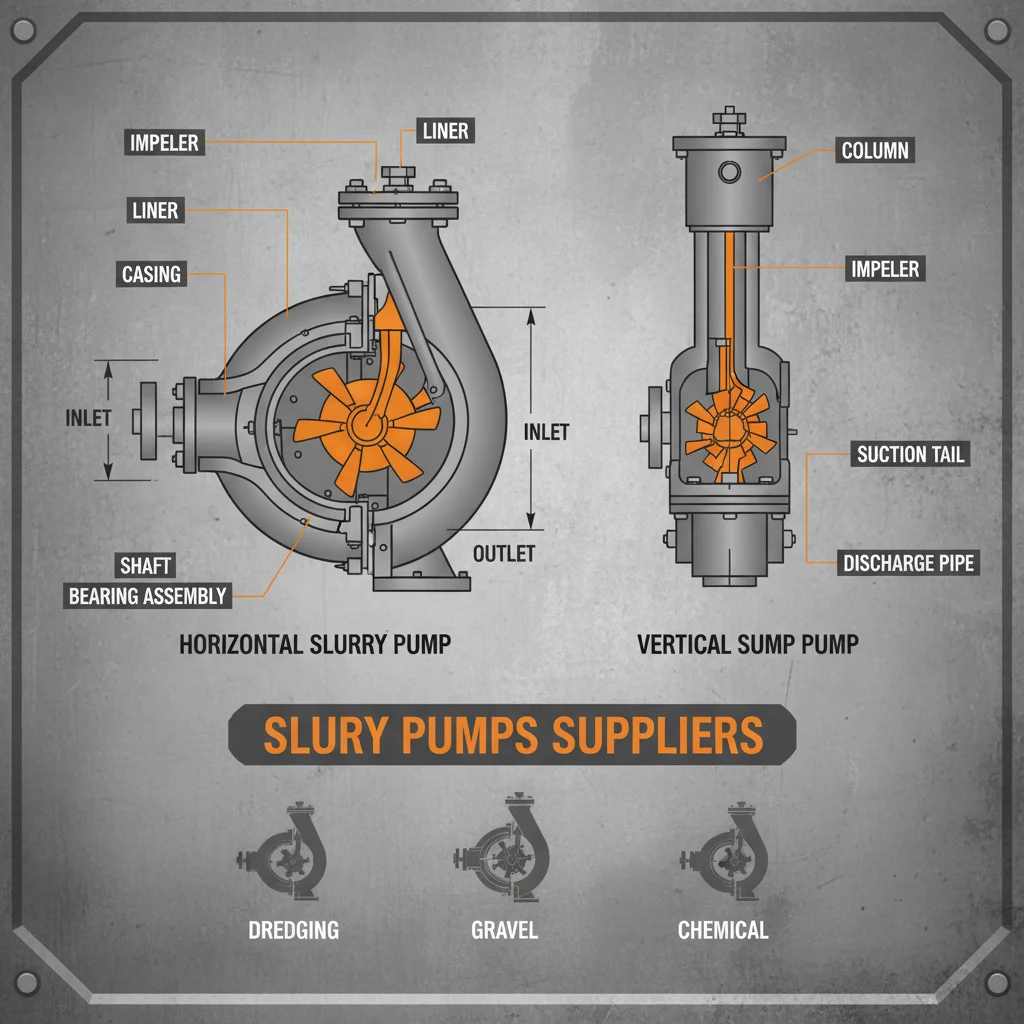
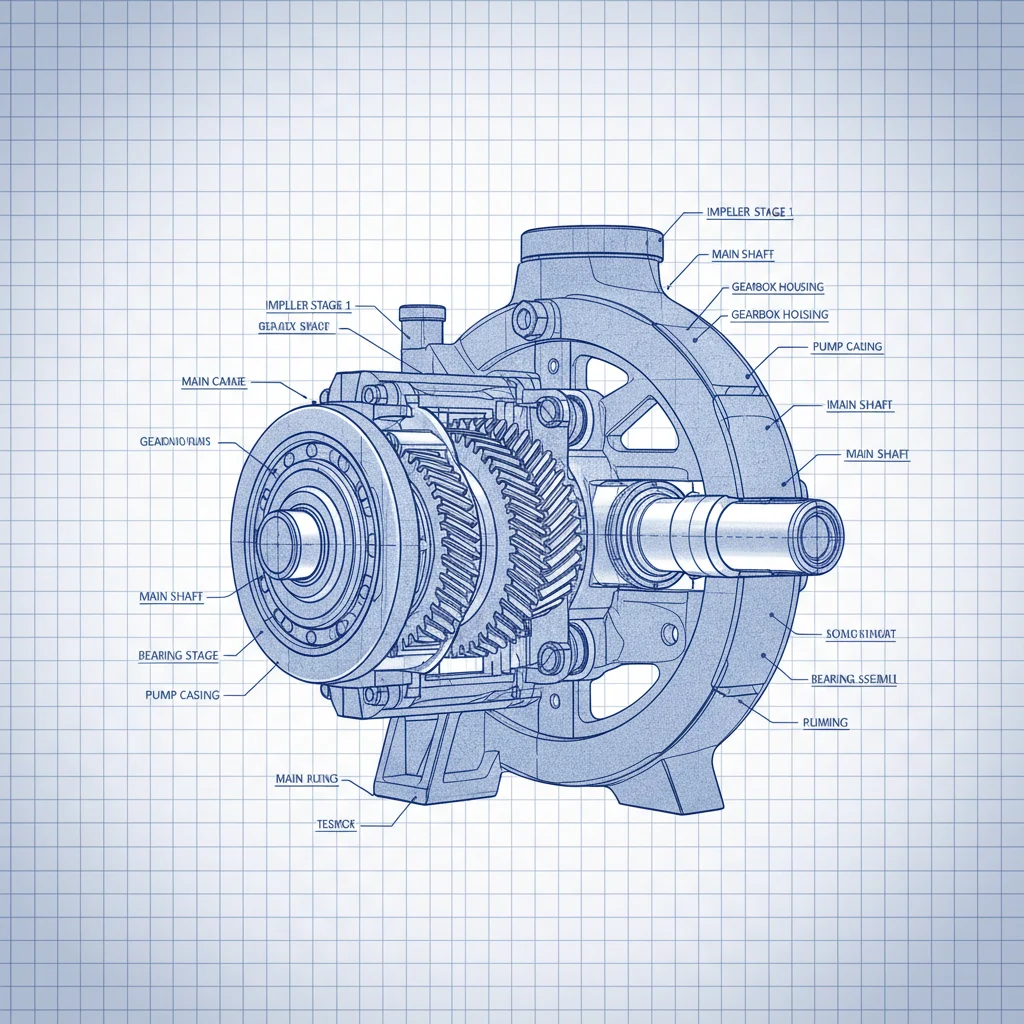
The longevity of a gravel pump depends heavily on its impeller design. A semi-open or open impeller is typically used to allow larger solids to pass through without causing internal blockages. The geometry is carefully calculated to maintain high velocity, which keeps solids in suspension and prevents the "settling" effect that often leads to pipe bursts and pump failure.
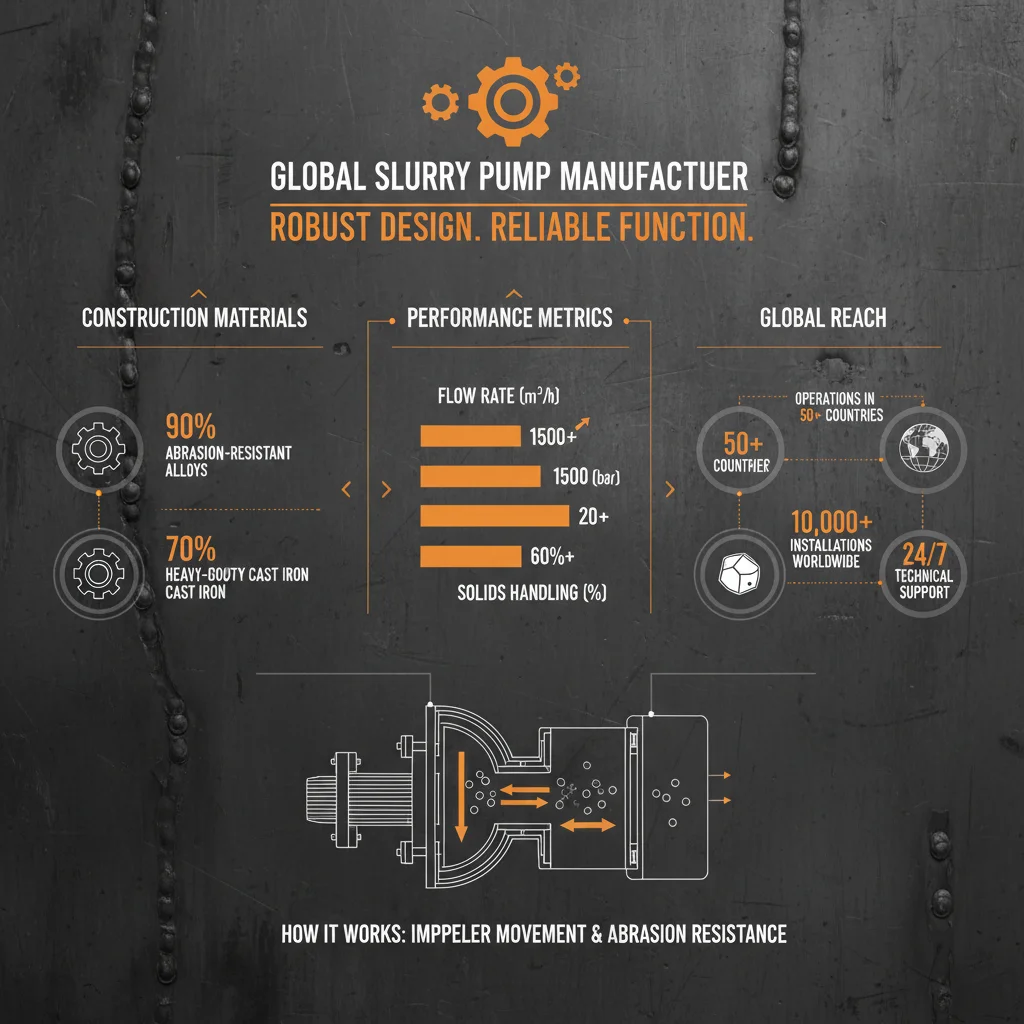
Material selection is the second pillar of durability. Most high-end gravel pump models utilize High-Chrome (Hi-Cr) alloys for the liner and impeller, providing a hard surface that resists the scouring action of gravel. In applications where the slurry is less abrasive but more corrosive, natural rubber linings are employed to absorb the impact of particles, effectively "bouncing" the gravel off the walls to preserve the pump's structural integrity.
Finally, the sealing system—often consisting of an expeller or a mechanical seal with a flushing system—protects the bearings and motor from the contaminated slurry. By creating a pressure barrier, the gravel pump ensures that the abrasive medium remains within the casing, drastically extending the service intervals and reducing the risk of catastrophic mechanical failure.
Performance Factors and Operational Efficiency
Achieving maximum efficiency with a gravel pump requires a delicate balance between flow rate (capacity) and head (pressure). Operating a pump too far to the right of its Best Efficiency Point (BEP) can lead to cavitation and excessive wear, while operating too far to the left may cause the solids to settle in the volute, leading to an immediate blockage.
Modern operators utilize Variable Frequency Drives (VFDs) to adjust the pump speed in real-time based on the slurry density. This flexibility allows the gravel pump to adapt to varying concentrations of solids, ensuring that energy is not wasted and that the wear rate is distributed evenly across the internal components.
Comparative Efficiency Ratings of Gravel Pump Configurations
Global Applications and Real-World Use Cases
The versatility of the gravel pump is evident in its widespread use across diverse sectors. In the dredging industry, these pumps are the workhorses used to clear shipping channels and reclaim land. For instance, in the massive port expansions in the Middle East, high-capacity gravel pumps are used to move millions of cubic meters of seabed material to create new landmasses, requiring extreme reliability under saltwater conditions.
In the mining sector, specifically in gold and diamond mining, gravel pumps are utilized in the "alluvial" process. Here, they transport gravel-rich mixtures from the riverbed to the sluices and trommels. In remote industrial zones in Africa and Canada, the ability to easily replace liners and impellers in the field makes the gravel pump an indispensable asset for maintaining production cycles in isolated environments.
Long-Term Value and Sustainability Benefits
Investing in a high-quality gravel pump provides tangible long-term financial advantages. While the initial capital expenditure may be higher for a premium pump, the reduction in unplanned downtime and the extension of the mean time between failures (MTBF) lead to significantly lower operational costs. Reliability translates to predictability, which is the most valuable currency in heavy industrial project management.
From a sustainability perspective, modern gravel pumps are designed for "circularity." By using modular components that can be refurbished rather than replaced entirely, companies reduce their steel consumption and waste. Furthermore, optimized hydraulic designs reduce the energy required to move each ton of solid material, directly lowering the carbon footprint of the mining or dredging operation.
Beyond the numbers, there is an element of safety and trust. A pump that operates reliably reduces the need for emergency manual interventions in dangerous environments—such as deep pits or unstable riverbanks—thereby protecting the workforce and enhancing the overall dignity and safety of the industrial operation.
Future Trends in Gravel Pump Innovation
The future of the gravel pump is being shaped by the digital transformation. The integration of IoT (Internet of Things) sensors is allowing for "predictive maintenance." By monitoring vibration patterns and liner thickness in real-time, operators can predict exactly when a pump will fail and schedule maintenance during planned shutdowns, eliminating the chaos of emergency repairs.
Material science is also evolving, with the introduction of nano-ceramic composites and 3D-printed internals. These innovations allow for the creation of complex internal geometries that were previously impossible to cast, reducing turbulence and friction within the pump. This not only increases the lifespan of the gravel pump but also significantly boosts its energy efficiency.
Finally, there is a strong push toward automation and integration with AI-driven control systems. Future pumps will likely be "self-optimizing," adjusting their own speeds and flow parameters in response to the characteristics of the incoming slurry, ensuring peak performance without the need for constant human supervision.
Comparative Analysis of Gravel Pump Technical Specifications
| Pump Series |
Max Particle Size |
Liner Material |
Efficiency Rating |
| HG Series Gravel |
Up to 100mm |
High Chrome Alloy |
9.2 / 10 |
| HAH Heavy Duty |
Up to 120mm |
Cr-Mo Alloy |
8.8 / 10 |
| HAF Froth Type |
Up to 50mm |
Natural Rubber |
8.5 / 10 |
| HWN Dredge |
Up to 150mm |
Hardened Steel |
8.0 / 10 |
| HZ Slurry |
Up to 80mm |
Hi-Chrome Alloy |
8.7 / 10 |
| OEM Custom |
Variable |
Custom Composite |
9.5 / 10 |
FAQS
A standard slurry pump is designed for fine particles (like tailings), whereas a gravel pump is specifically engineered for larger, coarser solids. Gravel pumps feature wider clearances, reinforced impeller vanes, and more robust casing materials to prevent clogging and resist the high-impact abrasion caused by larger stones and pebbles.
Replacement intervals vary based on the concentration and hardness of the material. However, in high-abrasion environments, liners are typically inspected monthly. With high-chrome alloys, replacement may occur every 6-12 months, whereas rubber liners in softer slurries may last longer. Predictive monitoring sensors are now the best way to determine the exact replacement time.
It depends on the material of construction. A high-chrome gravel pump is excellent for abrasion but may struggle with strong acids. For corrosive environments, a rubber-lined gravel pump is recommended, as natural rubber provides an excellent chemical barrier while still handling the abrasive nature of the solids.
Cavitation occurs when the NPSH (Net Positive Suction Head) available is lower than what the pump requires, often due to high slurry density or restricted suction lines. This can be prevented by lowering the pump's elevation relative to the source, increasing the suction pipe diameter, or using a VFD to optimize the flow rate.
Running a gravel pump dry is highly discouraged. The fluid not only transports the solids but also provides critical cooling and lubrication for the internal components and seals. Dry running can lead to rapid overheating, seal failure, and potential seizure of the impeller, resulting in costly repairs.
The choice depends on the "abrasion vs. corrosion" ratio. High-chrome is best for high-pressure, sharp-edged particles and high-velocity wear. Rubber lining is superior for smaller, rounded particles, high-volume slurries with lower pressure, or applications involving corrosive chemicals.
Conclusion
The gravel pump stands as a cornerstone of modern industrial efficiency, transforming the way we handle the most challenging abrasive materials. From the critical selection of high-chrome alloys to the implementation of IoT-driven predictive maintenance, every aspect of these pumps is designed to minimize downtime and maximize productivity. By focusing on durability, energy efficiency, and material science, industries can ensure a stable and sustainable flow of materials from the earth to the processing plant.
As we move toward a future of automated mining and green dredging, the role of the gravel pump will only grow in importance. Operators are encouraged to move away from short-term cost-saving measures and instead invest in high-specification equipment that offers long-term reliability and environmental sustainability. For those seeking the pinnacle of slurry handling technology, visiting a trusted expert is the first step toward operational excellence. Visit our website: www.hihornpump.com