Mining slurry pumps are essential components in a vast array of industrial processes, particularly within the mining sector. These robust pumps are designed to efficiently transport abrasive and highly concentrated mixtures of solids and liquids – the “slurry” – that are inherent to mining operations. The demand for reliable and efficient mining slurry pumps is continuously growing, driven by increasing global mineral extraction and the need to optimize resource processing.
The global mining industry is a cornerstone of modern economies, providing the raw materials necessary for infrastructure, manufacturing, and technology. According to the World Bank, mineral production contributes significantly to the GDP of many developing nations. This sector relies heavily on the ability to move large volumes of slurry – from extraction to processing and waste disposal. Inefficient or unreliable pumping systems can lead to costly downtime, environmental hazards, and reduced productivity.
Understanding the intricacies of mining slurry pumps is critical for professionals in the mining, construction, and environmental engineering fields. Advances in pump technology, materials science, and hydraulic design are continually improving the performance, longevity, and sustainability of these vital machines, ensuring they can meet the evolving demands of a resource-intensive world.
Introduction to Mining Slurry Pumps
The effective and efficient operation of mining facilities is fundamentally dependent on the reliable transportation of slurries. Mining slurry pumps aren’t merely tools; they are integral to the entire mining workflow, impacting everything from extraction rates to operational costs and environmental compliance. Selecting the correct pump for a specific application requires careful consideration of slurry characteristics, flow rates, and head pressures.
These pumps are designed to withstand extreme conditions, including highly abrasive materials, corrosive chemicals, and varying temperatures. Their construction utilizes specialized materials and designs to minimize wear and tear, maximizing uptime and reducing maintenance requirements. Understanding the operational nuances of these pumps is essential for maintaining profitability and ensuring responsible resource management.
Defining Mining Slurry Pumps
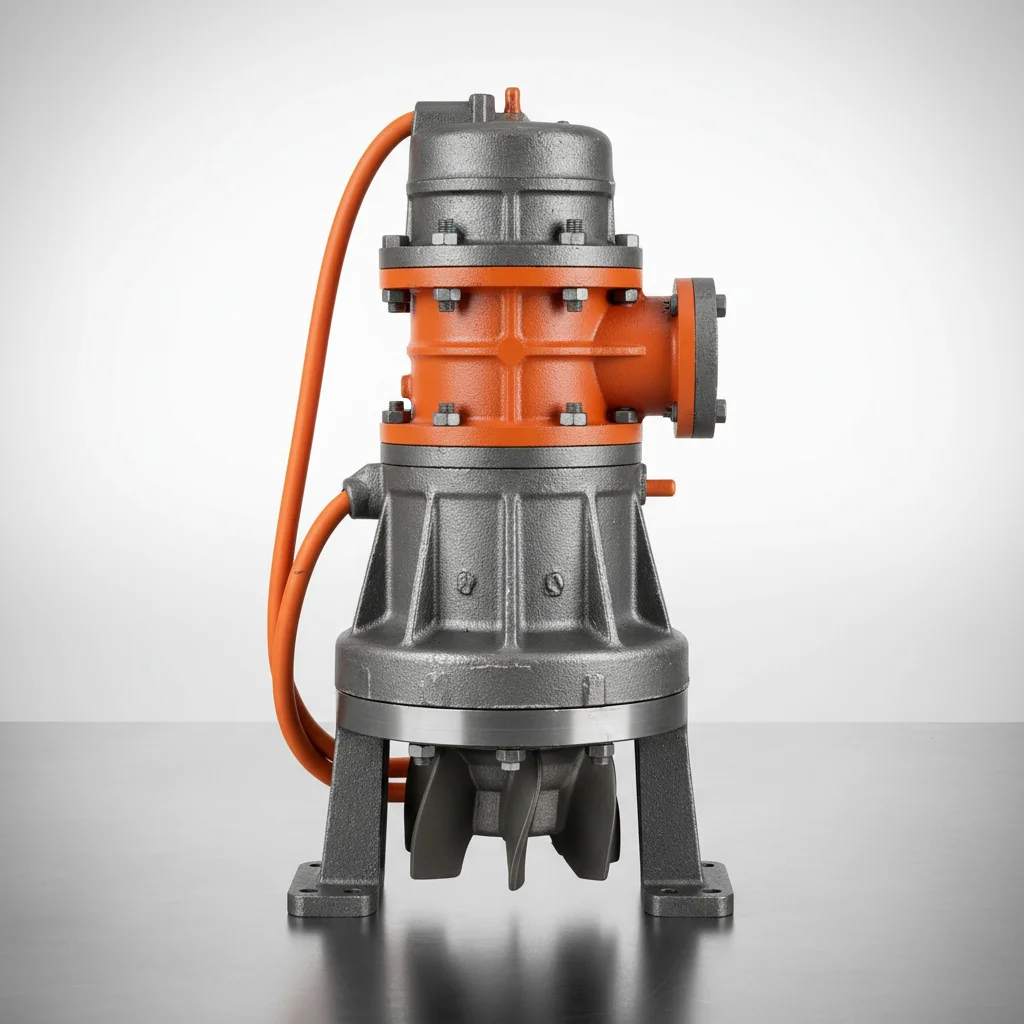
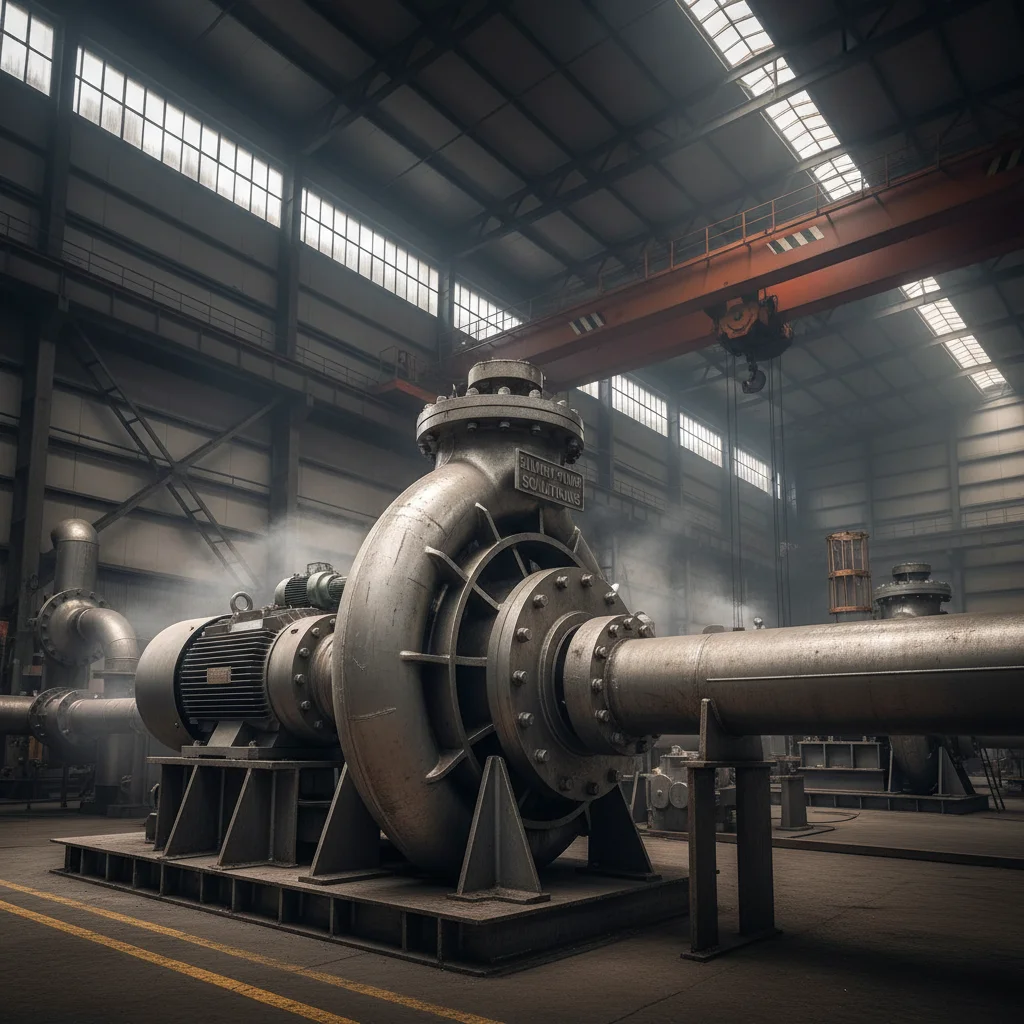
A mining slurry pump is a specialized type of pump designed to move a mixture of solids and liquids. This mixture, known as slurry, is common in mining operations, consisting of mined ore, water, and various chemicals. Unlike standard pumps designed for clear liquids, slurry pumps are engineered to handle the abrasive nature of solid particles suspended within the liquid, preventing damage and maintaining flow efficiency.
The connection to modern industry is direct and substantial. Mining fuels the production of countless materials that underpin our modern lifestyles, from the metals in our electronics to the minerals in our building materials. Reliable slurry pumping is essential for extracting and processing these resources, driving economic growth and technological advancement.
In essence, mining slurry pumps are the circulatory system of mining operations, ensuring the continuous flow of materials that are vital to both industrial progress and, increasingly, the provision of essential materials for a sustainable future.
Key Components and Factors
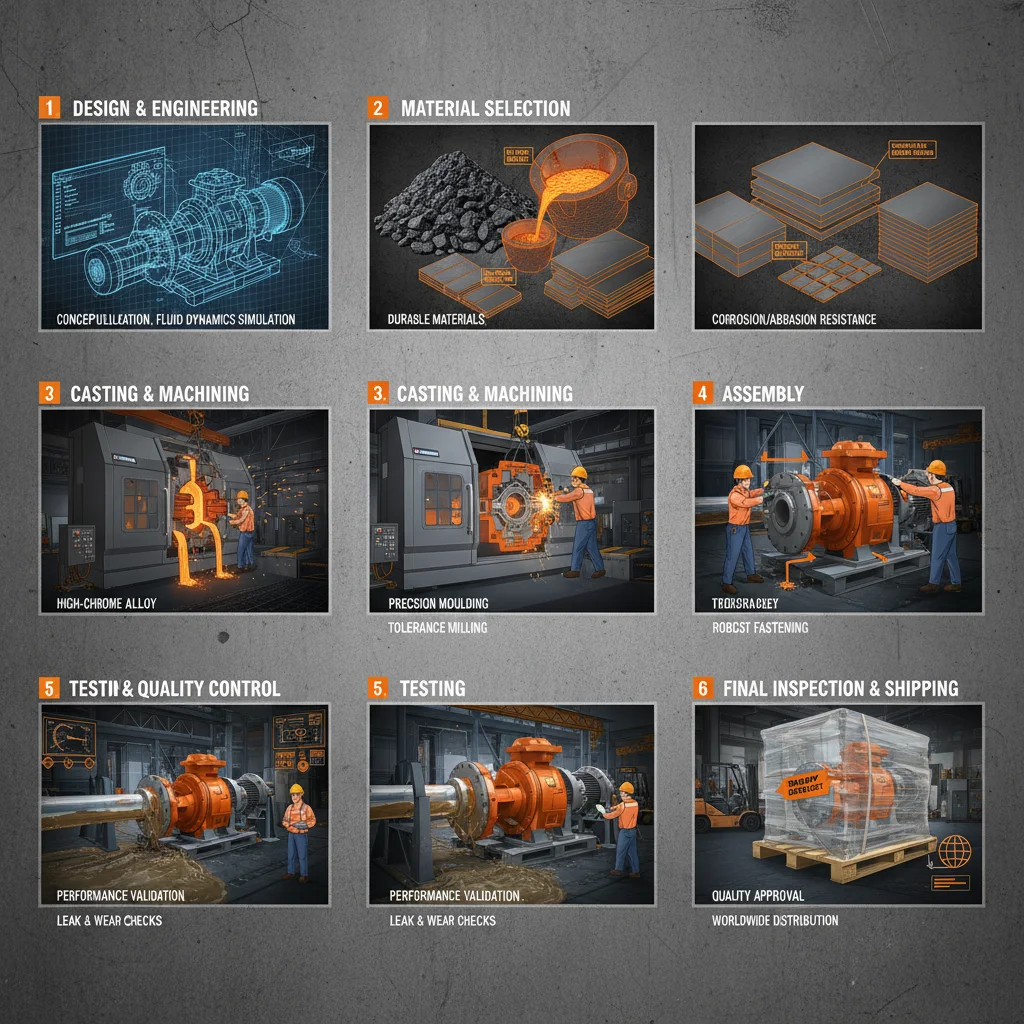
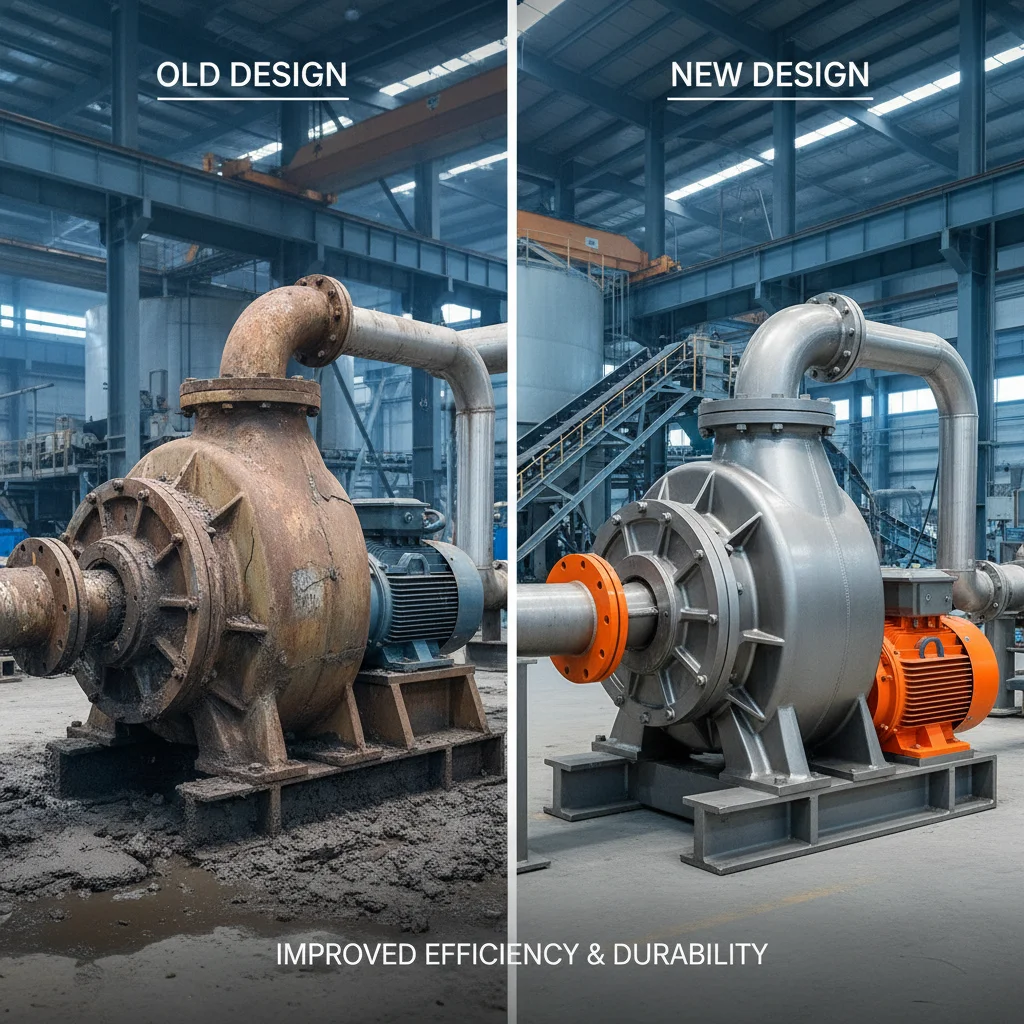
Durability: Mining environments are notoriously harsh. Slurry pumps must withstand constant abrasion, corrosion, and impact from the solids they transport. Materials like high-chrome alloys and specialized polymers are crucial for maximizing pump lifespan and minimizing downtime. Mining slurry pumps prioritize these characteristics.
Solids Handling Capacity: The size, concentration, and type of solids in the slurry significantly impact pump performance. Pumps are designed with specific impeller designs and casing geometries to efficiently handle varying solids concentrations without clogging or excessive wear.
Hydraulic Efficiency: Maximizing hydraulic efficiency minimizes energy consumption and reduces operational costs. Optimized impeller designs, wear-resistant coatings, and proper pump sizing contribute to improved efficiency.
Pump Selection: Choosing the correct pump type – centrifugal, positive displacement, etc. – is critical for optimal performance. Centrifugal pumps are commonly used for high-volume, low-head applications, while positive displacement pumps are suitable for high-head, low-volume scenarios.
Material of Construction: The slurry's chemical composition dictates the appropriate material for pump construction. Resistance to corrosion, erosion, and abrasion are paramount when selecting materials.
Sealing Systems: Effective sealing systems prevent leakage and contamination, protecting both the environment and the pump's internal components. Mechanical seals and gland packing are common sealing options.
Global Applications and Use Cases
Mining slurry pumps are used across a broad spectrum of mining operations, including gold, copper, iron ore, coal, and phosphate extraction. They play a vital role in several key processes: underground dewatering, tailings management, process water circulation, and ore transportation. In remote industrial zones like the Chilean Atacama Desert, these pumps are essential for processing valuable copper resources.
The application extends beyond traditional mining. They are utilized in dredging operations for maintaining navigable waterways, in power plant ash handling, and in various industrial wastewater treatment plants. In post-disaster relief operations following floods or landslides, mining slurry pumps can be repurposed to remove debris and sediment, aiding in recovery efforts.
Regions with significant mining activity, such as Australia, Canada, South Africa, and China, represent major markets for these pumps. Increasing demand from developing nations in Africa and South America further drives the industry’s growth.
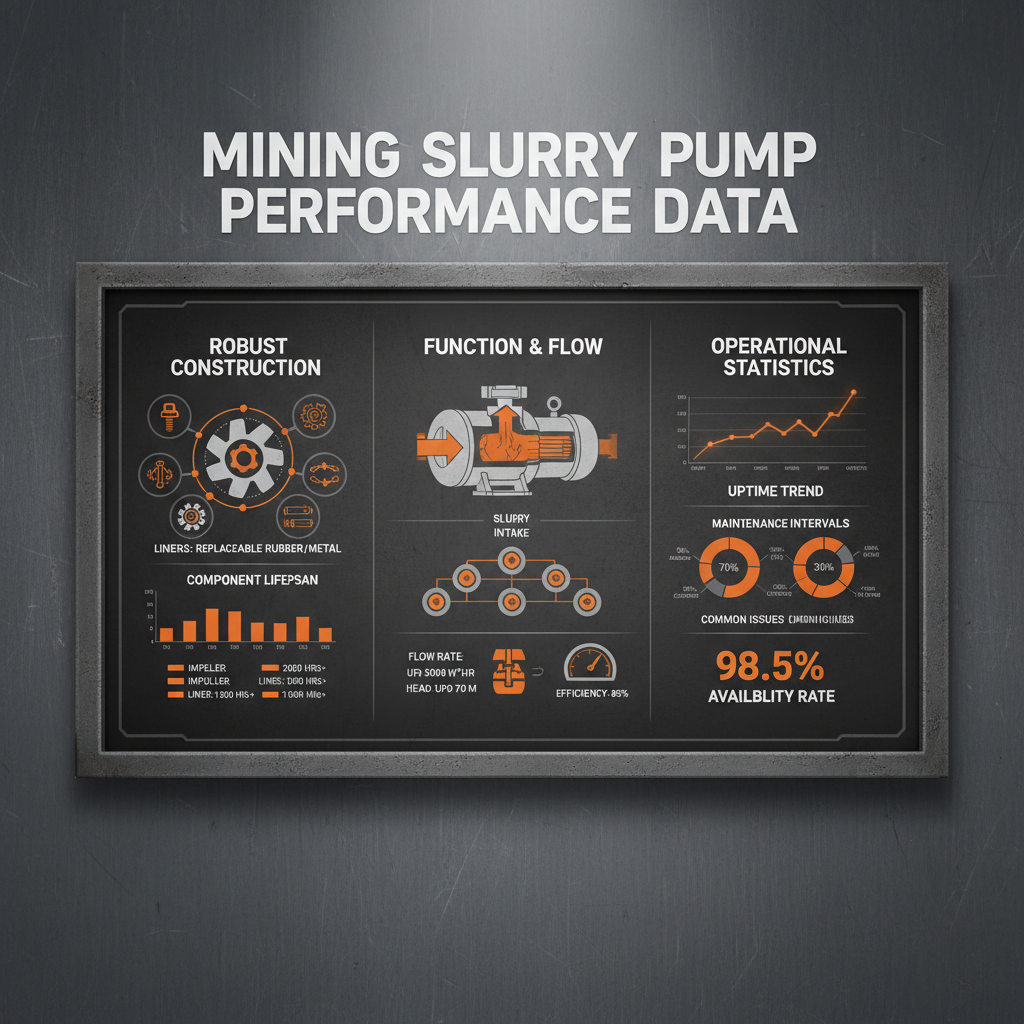
Mining Slurry Pump Performance Metrics
Advantages and Long-Term Value
The advantages of utilizing high-quality mining slurry pumps extend far beyond simply moving material. Cost savings are significant, resulting from reduced downtime, lower maintenance expenses, and improved energy efficiency. Investing in reliable pumping systems translates directly into increased profitability for mining operations.
Sustainability is another key benefit. Modern slurry pumps are designed to minimize environmental impact through reduced energy consumption, leak prevention, and the ability to handle environmentally sensitive slurries safely and responsibly. Furthermore, employing durable pumps reduces the need for frequent replacements, conserving resources and minimizing waste.
Future Trends and Innovations
The future of mining slurry pumps is focused on enhanced efficiency, automation, and sustainability. We are seeing the integration of smart sensors and data analytics to monitor pump performance in real-time, enabling predictive maintenance and optimizing operational efficiency.
Materials science is also driving innovation, with the development of new alloys and coatings that offer superior resistance to abrasion and corrosion. Digital transformation, including remote monitoring and control systems, will play an increasingly important role in maximizing pump uptime and minimizing operational costs.
Challenges and Solutions
A persistent challenge in slurry pumping is abrasive wear, which leads to frequent component replacements and downtime. One solution involves employing advanced materials, such as tungsten carbide coatings, to enhance wear resistance.
Another challenge is managing fluctuating slurry characteristics. Variable solids concentrations and particle sizes can significantly impact pump performance. Implementing variable frequency drives (VFDs) allows operators to adjust pump speed to match changing conditions, optimizing efficiency and preventing clogging.
Further advancements in pump design, coupled with ongoing research into slurry rheology and erosion mechanisms, will continue to drive improvements in the reliability and performance of mining slurry pumps.
Summary of Mining Slurry Pump Optimization Strategies
| Optimization Area |
Key Strategies |
Implementation Difficulty (1-5) |
Potential ROI (1-5) |
| Material Selection |
Employing high-chrome alloys, tungsten carbide coatings, and specialized polymers. |
3 |
4 |
| Pump Sizing |
Precisely matching pump capacity to flow rate and head pressure requirements. |
2 |
5 |
| Impeller Design |
Utilizing optimized impeller geometries for efficient solids handling and reduced wear. |
4 |
3 |
| Sealing Systems |
Implementing robust mechanical seals or gland packing to prevent leakage and contamination. |
3 |
4 |
| VFD Implementation |
Utilizing Variable Frequency Drives (VFDs) to adjust pump speed to changing slurry conditions. |
4 |
4 |
| Predictive Maintenance |
Employing sensor data and analytics to anticipate maintenance needs and prevent unplanned downtime. |
5 |
5 |
FAQS
The lifespan of a mining slurry pump varies greatly depending on operating conditions, the abrasiveness of the slurry, and the quality of materials used in construction. However, with proper maintenance, a well-built pump can typically last between 5 to 10 years, and even longer in less demanding applications. Regularly scheduled inspections and component replacements are crucial for maximizing pump life. Utilizing advanced materials and coatings can also significantly extend the operational life.
Selecting the correct pump requires careful consideration of several factors. These include the slurry’s solids concentration, particle size, specific gravity, and chemical composition. You'll also need to assess the required flow rate, head pressure, and the pumping distance. Consulting with a pump specialist is highly recommended to ensure the selected pump meets the specific demands of your operation. Proper pump sizing is critical for efficiency and longevity.
Regular maintenance is vital for ensuring reliable operation. This includes routine inspections for wear and tear, lubrication of bearings, checking seals for leaks, and monitoring pump performance metrics like pressure and flow rate. Periodic component replacement, such as impellers and liners, is also necessary. Keeping detailed maintenance logs helps track pump health and predict potential issues before they escalate.
Minimizing wear involves a multi-faceted approach. Selecting pumps constructed with abrasion-resistant materials, optimizing pump speed to reduce slurry velocity, and implementing effective sealing systems are all crucial. Regularly monitoring slurry composition and adjusting pumping parameters accordingly can also help prolong pump life. Furthermore, properly aligning the pump and motor reduces stress on components.
Energy efficiency is a significant concern. Utilizing variable frequency drives (VFDs) to adjust pump speed based on demand can substantially reduce energy consumption. Selecting pumps with high hydraulic efficiency ratings and optimizing impeller designs also contribute to energy savings. Regular maintenance ensures the pump operates at peak efficiency, minimizing wasted energy. Regularly monitor power consumption and analyze trends.
Mining slurry pumps can have an environmental impact through potential leakage, energy consumption, and waste generation. Choosing pumps with robust sealing systems minimizes leakage risks. Utilizing energy-efficient pumps reduces carbon emissions. Implementing responsible waste management practices for worn-out components minimizes environmental pollution. Properly handling and disposing of slurry tailings is also crucial.
Conclusion
In conclusion, mining slurry pumps are indispensable components within the global mining industry, facilitating efficient and reliable material transport essential for resource extraction and processing. Their durability, adaptability to diverse slurry compositions, and increasing integration of smart technologies position them as critical assets for maximizing productivity and minimizing operational costs. Understanding the core components, applications, and emerging trends in this field is vital for professionals across the mining and related industries.
Looking ahead, continued innovation in materials science, pump design, and automation will further enhance the performance, sustainability, and cost-effectiveness of mining slurry pumps. By embracing these advancements, mining operations can optimize their processes, reduce their environmental footprint, and ensure a secure and responsible supply of essential resources. For further information and to explore our range of mining slurry pump solutions, visit our website: www.hihornpump.com.