Choosing the Right Heavy Duty Slurry Pumps for Your Application
Selecting the appropriate heavy duty slurry pumps is critical for maintaining efficiency and preventing costly downtime in industries dealing with abrasive or viscous materials. These pumps are designed to handle challenging fluids that would quickly damage standard pumps. This article will explore the key considerations when choosing a slurry pump, the different types available, common applications, and how to ensure long-term reliability. Understanding your specific needs is the first step toward selecting the optimal pumping solution. HiHorn Pump offers a comprehensive range of slurry pumps to meet diverse industrial requirements.

Understanding Slurry Pump Types
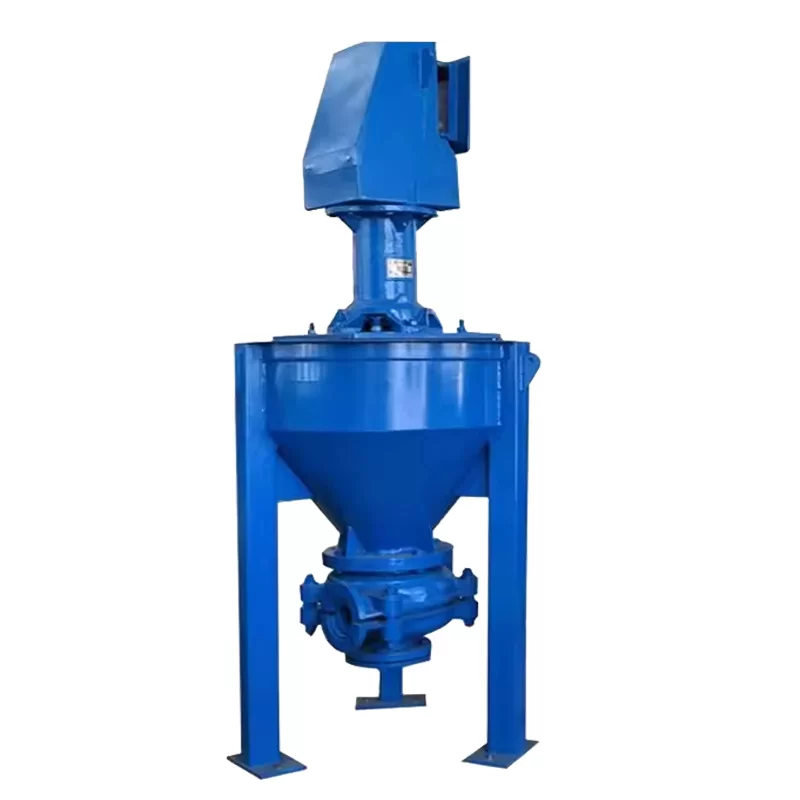
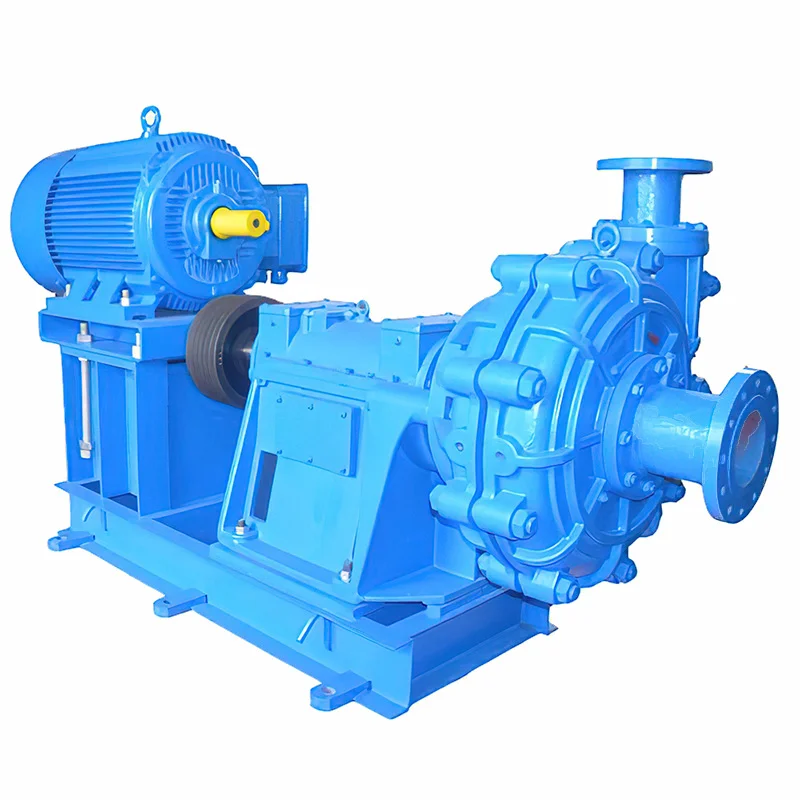
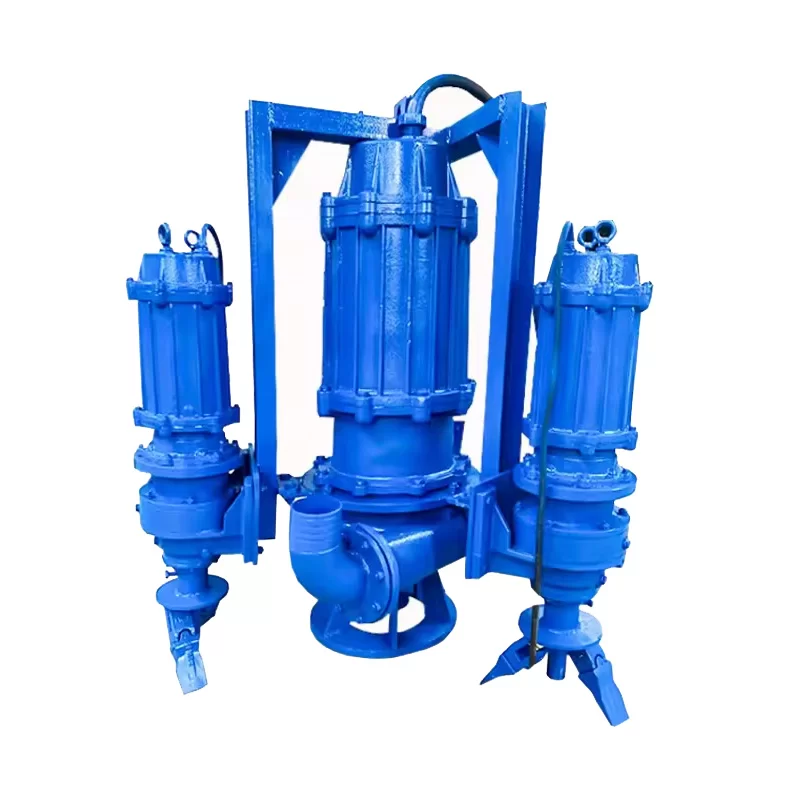
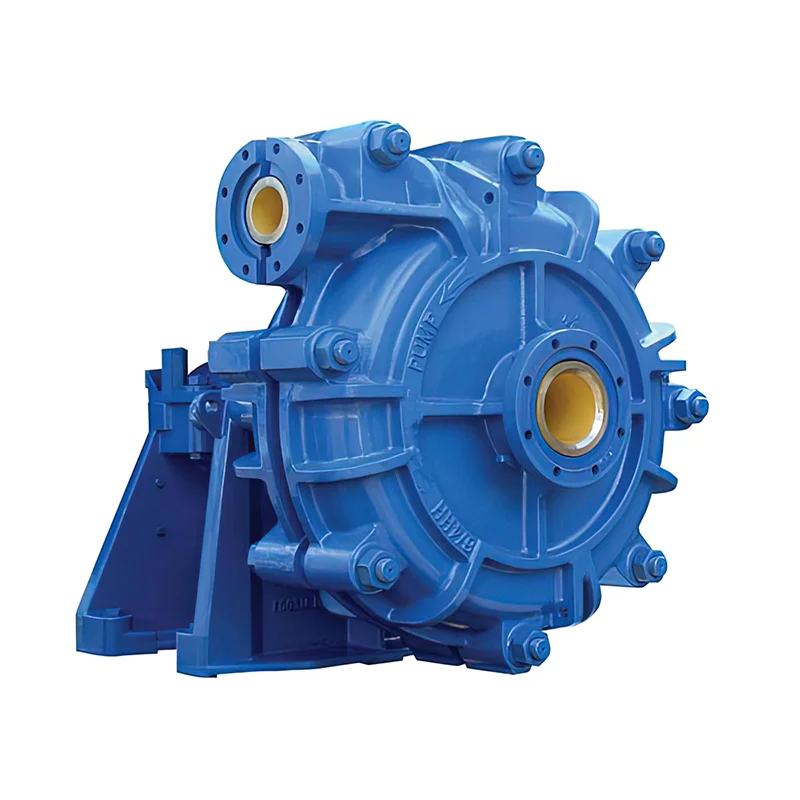
Several types of heavy duty slurry pumps are available, each suited for different applications. Centrifugal slurry pumps are the most common, utilizing an impeller to create flow. Positive displacement pumps, such as progressing cavity pumps and diaphragm pumps, are ideal for handling highly viscous or abrasive slurries. Air-operated double-diaphragm (AODD) pumps offer flexibility and can handle solids-laden fluids effectively. The choice depends on factors like slurry composition, flow rate, head pressure, and solid concentration. Proper pump selection ensures efficient operation and minimizes wear and tear.
Key Considerations: Carefully evaluate the slurry’s characteristics – viscosity, abrasiveness, solid concentration, and chemical compatibility – before selecting a pump.
Applications of Heavy Duty Slurry Pumps
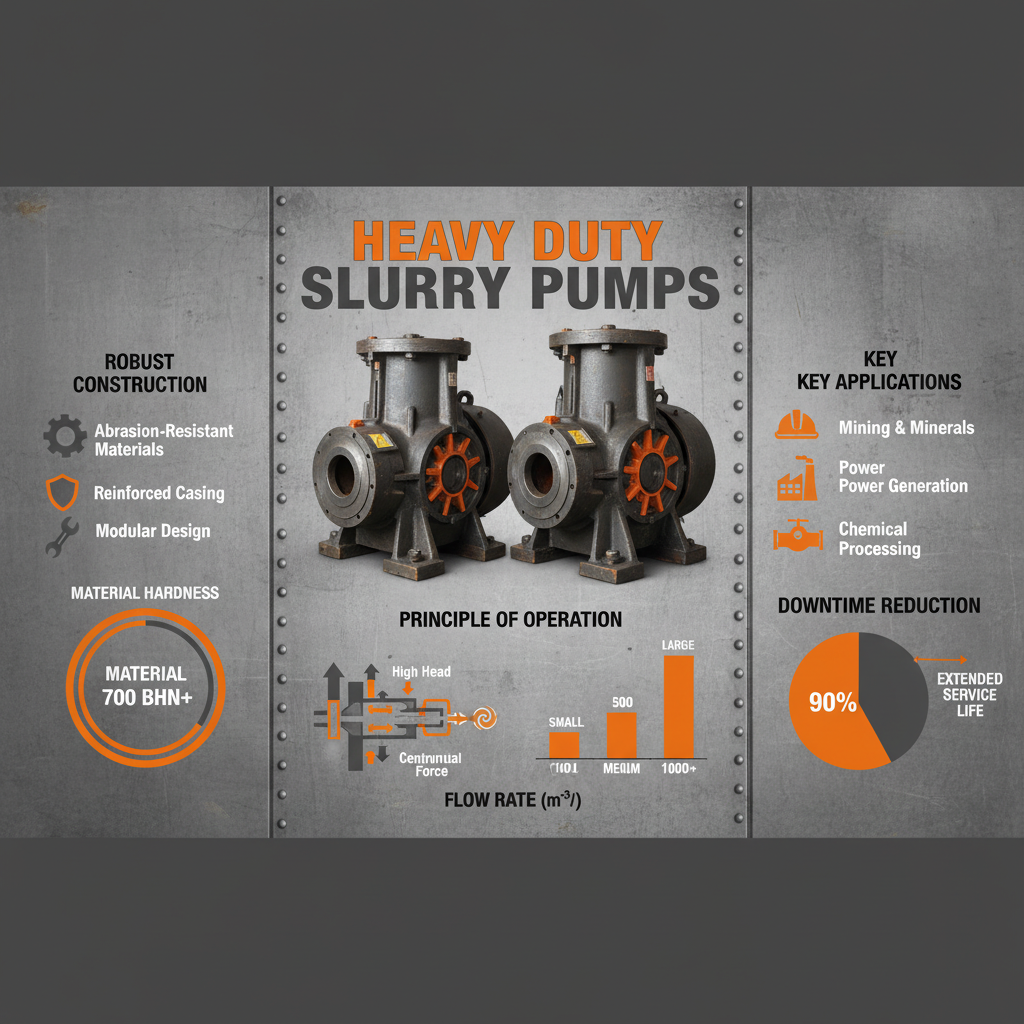
These pumps find widespread use across numerous industries. In mining, they handle tailings and process water. In wastewater treatment, they manage sludge and solids. The oil and gas sector utilizes them for drilling mud and waste disposal. Chemical processing relies on them for handling corrosive and abrasive substances. Power plants employ them for ash handling and FGD systems. HiHorn Pump provides tailored solutions for each of these applications, ensuring optimal performance and longevity.
Key Application Industries:
• Mining & Minerals Processing
• Wastewater Treatment
• Oil & Gas
• Chemical Processing
• Power Generation
Comparing Slurry Pump Materials
The material of construction significantly impacts a heavy duty slurry pump’s lifespan and performance. Common materials include cast iron, stainless steel, and high-chrome alloys. Cast iron is cost-effective for less abrasive slurries. Stainless steel offers excellent corrosion resistance for handling acidic or alkaline fluids. High-chrome alloys provide superior abrasion resistance for highly abrasive applications. Selecting the right material based on the slurry's chemical composition and abrasive properties is crucial for minimizing wear and extending pump life.
Maintaining and Extending Pump Life
Regular maintenance is essential for maximizing the lifespan of your heavy duty slurry pumps. This includes routine inspections for wear, lubrication of bearings, and replacement of worn parts. Monitoring pump performance and addressing issues promptly can prevent catastrophic failures. Implementing a preventive maintenance schedule tailored to your specific application and operating conditions is highly recommended. HiHorn Pump offers comprehensive maintenance services and genuine spare parts to ensure optimal pump performance.
Choosing the Right Partner for Your Slurry Pumping Needs
Selecting a reliable pump supplier is just as important as choosing the right pump. Look for a company with a proven track record, experienced engineers, and a commitment to customer service. HiHorn Pump offers a wide range of heavy duty slurry pumps, customized solutions, and expert support to help you optimize your pumping operations. We are dedicated to providing innovative and reliable solutions for the most challenging slurry applications.
Conclusion: Investing in the Right Slurry Pump
Choosing the correct heavy duty slurry pump is a crucial investment that can significantly impact your operational efficiency and bottom line. By carefully considering the factors discussed in this article – pump type, material of construction, application requirements, and supplier reliability – you can ensure you select a solution that delivers long-term performance and value. Partner with HiHorn Pump for expert guidance and a comprehensive range of slurry pumping solutions.
Frequently Asked Questions (FAQs)
What is the optimal flow rate for a slurry pump?
Determining the optimal flow rate requires a thorough understanding of your process requirements. Too low of a flow rate can cause settling and blockages, while too high of a rate can lead to excessive wear and erosion. Factors to consider include the slurry's viscosity, solid concentration, and pipe diameter. A pump curve, provided by the manufacturer, can help you identify the appropriate flow rate for your specific application. Consulting with a slurry pump expert, like those at HiHorn Pump, can ensure you select a pump with the correct flow characteristics.
How do I prevent clogging in a slurry pump?
Preventing clogging involves several strategies. Ensure the slurry is properly pre-processed to remove oversized particles. Maintain adequate flow velocity to keep solids suspended. Select a pump with a large internal diameter to accommodate solids. Consider using a pump with an open impeller design, which is less prone to clogging. Regular inspection and cleaning of the pump and pipelines are also crucial. HiHorn Pump offers pumps designed with anti-clogging features and can provide guidance on preventing blockages.
What is the significance of NPSH in slurry pump selection?
NPSH (Net Positive Suction Head) is a critical parameter in slurry pump selection. It represents the absolute pressure at the pump suction, minus the vapor pressure of the liquid. Insufficient NPSH can cause cavitation, which damages the impeller and reduces pump efficiency. It's vital to ensure the available NPSH in your system exceeds the pump's required NPSH. HiHorn Pump’s engineers can assist you in calculating NPSH requirements and selecting a pump that operates reliably within your system’s limitations.