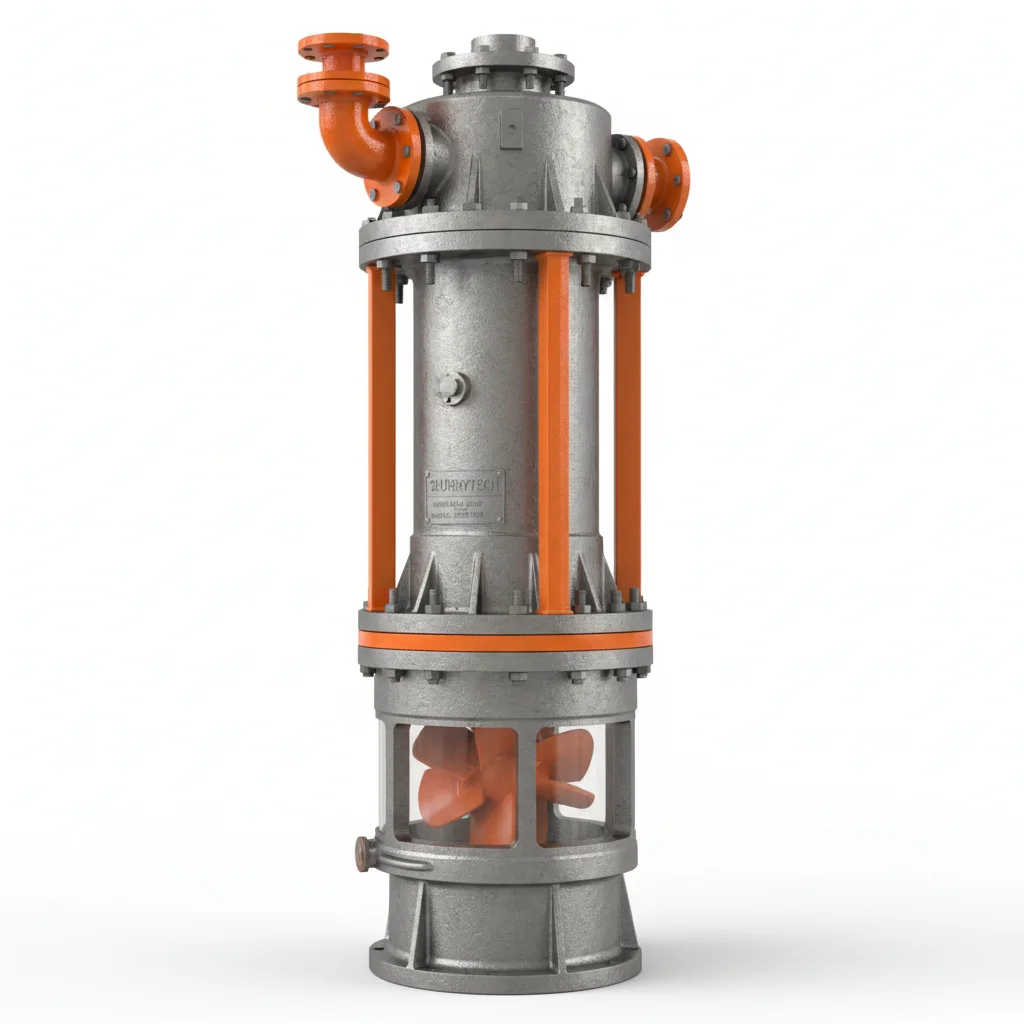
In the demanding world of industrial mineral processing and dredging, the efficiency of fluid transport often hinges on the capability of the equipment to handle abrasive solids. Among the most critical tools in this sector are gravel pumps, engineered specifically to move heavy, coarse materials that would shred a standard centrifugal pump in hours. These machines are the backbone of mining and construction sites worldwide, ensuring that coarse slurries are transported with minimal downtime.
The global demand for raw aggregates and the necessity of maintaining clear waterways have pushed the development of these pumps toward extreme durability. When dealing with gravel, sand, and crushed stone, the primary challenge is not just the weight of the material, but the intense abrasive wear on the internal components. Understanding the nuances of pump selection—such as impeller design and liner material—is essential for any operation looking to reduce operational expenditure and increase throughput.
By integrating advanced metallurgy and hydraulic optimization, modern gravel pumps provide a reliable solution for the most hostile environments. Whether it is used in a gold mine in Australia or a land reclamation project in Southeast Asia, the right slurry handling strategy can be the difference between a profitable project and a costly mechanical failure.
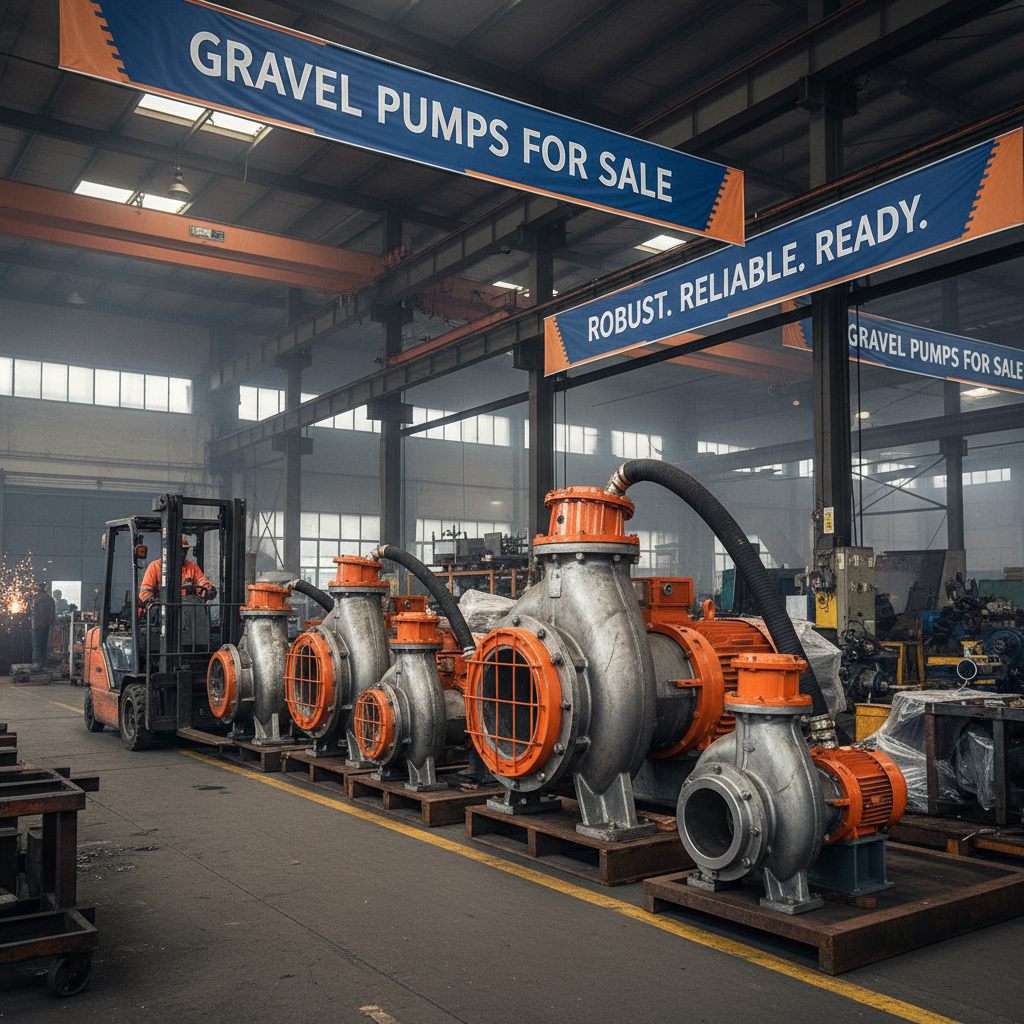
Global Industrial Context of Gravel Pumps
Across the globe, the extractive industry is under pressure to increase output while adhering to stricter environmental and safety regulations. According to industry trends aligned with ISO standards for pumping systems, the movement of abrasive solids represents one of the highest maintenance costs in mining. gravel pumps address this critical pain point by providing the structural integrity needed to handle high-density solids without constant failure.
The challenge is compounded by the geography of modern mining, where deposits are often deeper or located in more remote, corrosive environments. This has led to a global shift toward pumps that can handle larger particle sizes and higher concentrations of solids. The ability to efficiently transport gravel and slurry is not just a technical requirement but a strategic advantage that impacts the overall viability of large-scale infrastructure projects.
Defining High-Performance Gravel Pumps
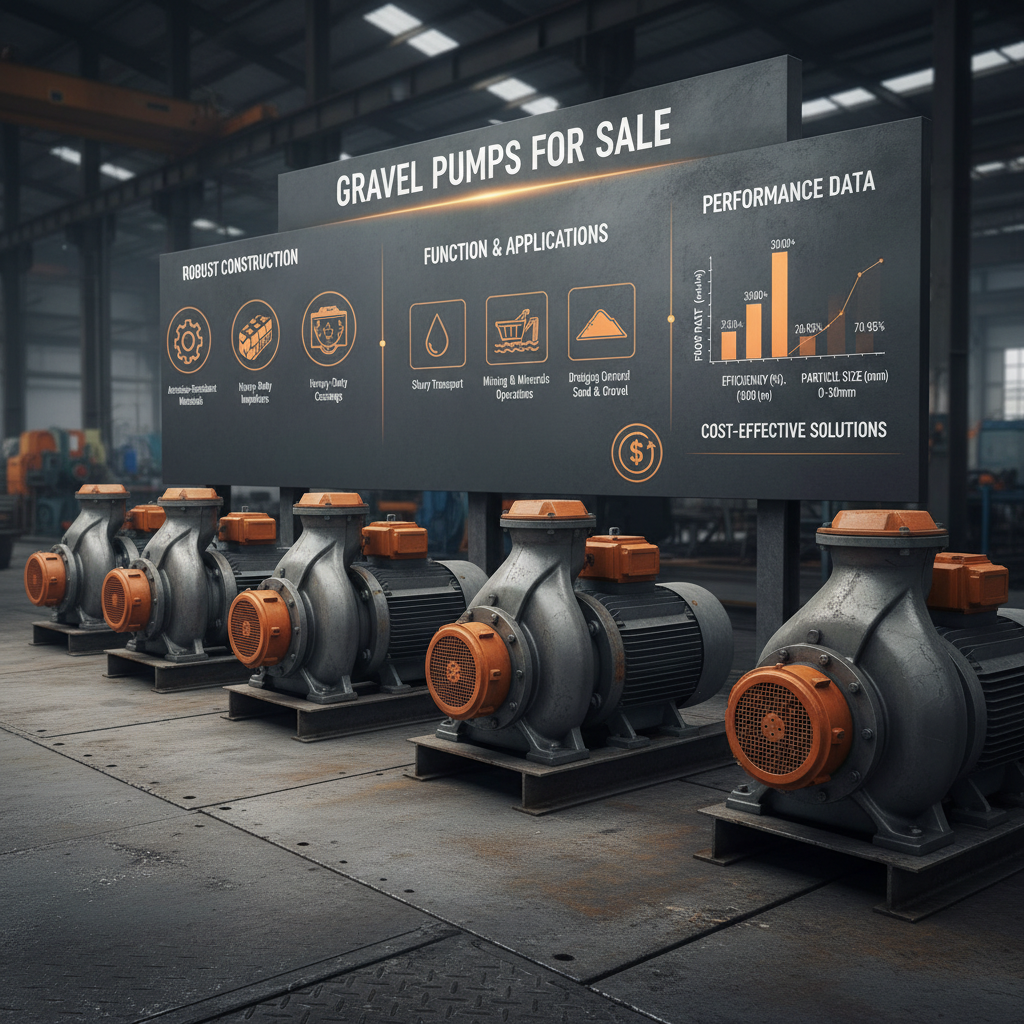
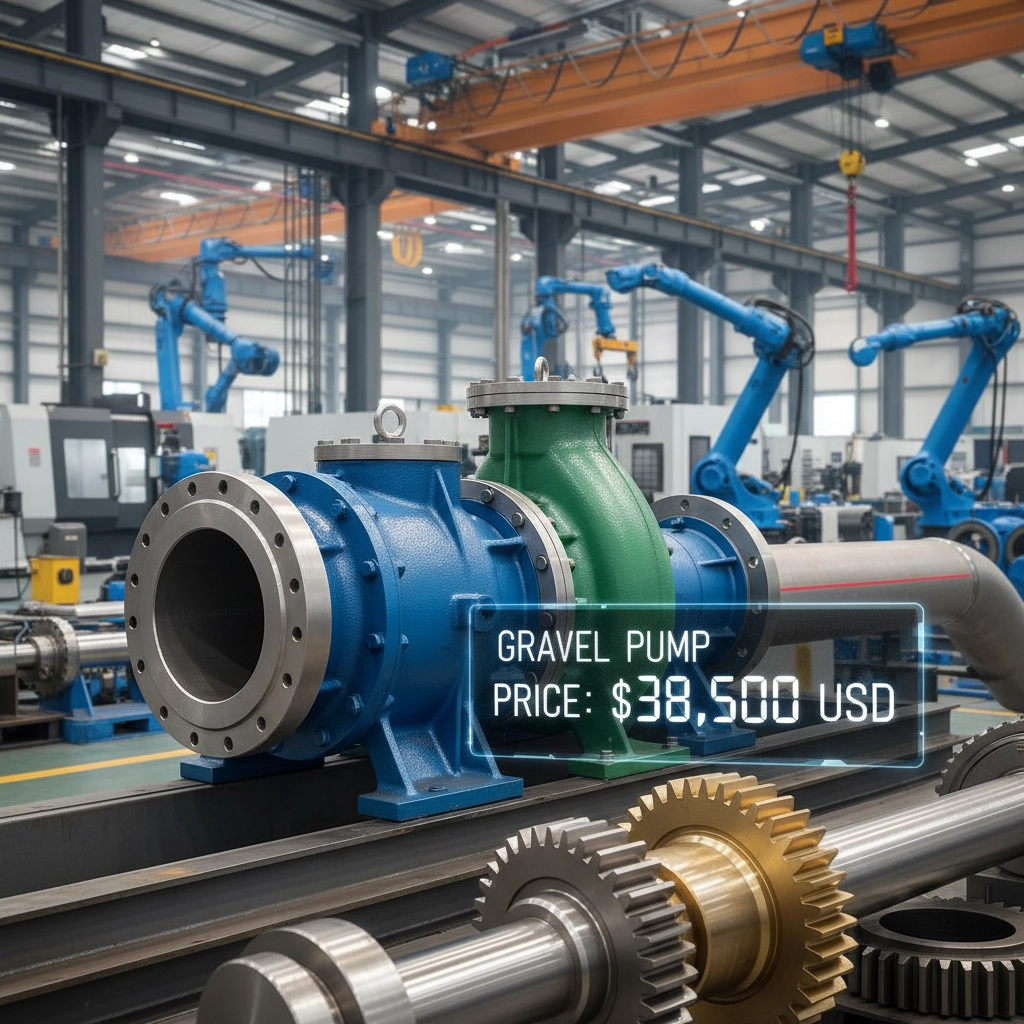
In simple terms, gravel pumps are heavy-duty centrifugal pumps specifically designed to pump slurries containing high concentrations of abrasive particles, such as gravel, sand, and ore. Unlike standard water pumps, these machines feature reinforced housings and specialized impellers that can withstand the constant "sandblasting" effect of moving solids.
The connection to modern industry is profound. In an era where urbanization requires massive amounts of concrete and aggregate, the efficient extraction and transport of these materials are paramount. These pumps enable the movement of raw materials from the pit to the processing plant, ensuring that the supply chain for global construction remains uninterrupted.
Furthermore, in humanitarian and environmental contexts, these pumps are indispensable for flood control and dredging projects. When riverbeds become choked with silt and gravel, reducing the capacity of the waterway, these pumps are deployed to restore flow and prevent catastrophic flooding in residential areas, bridging the gap between industrial utility and public safety.
Core Components for Maximum Durability
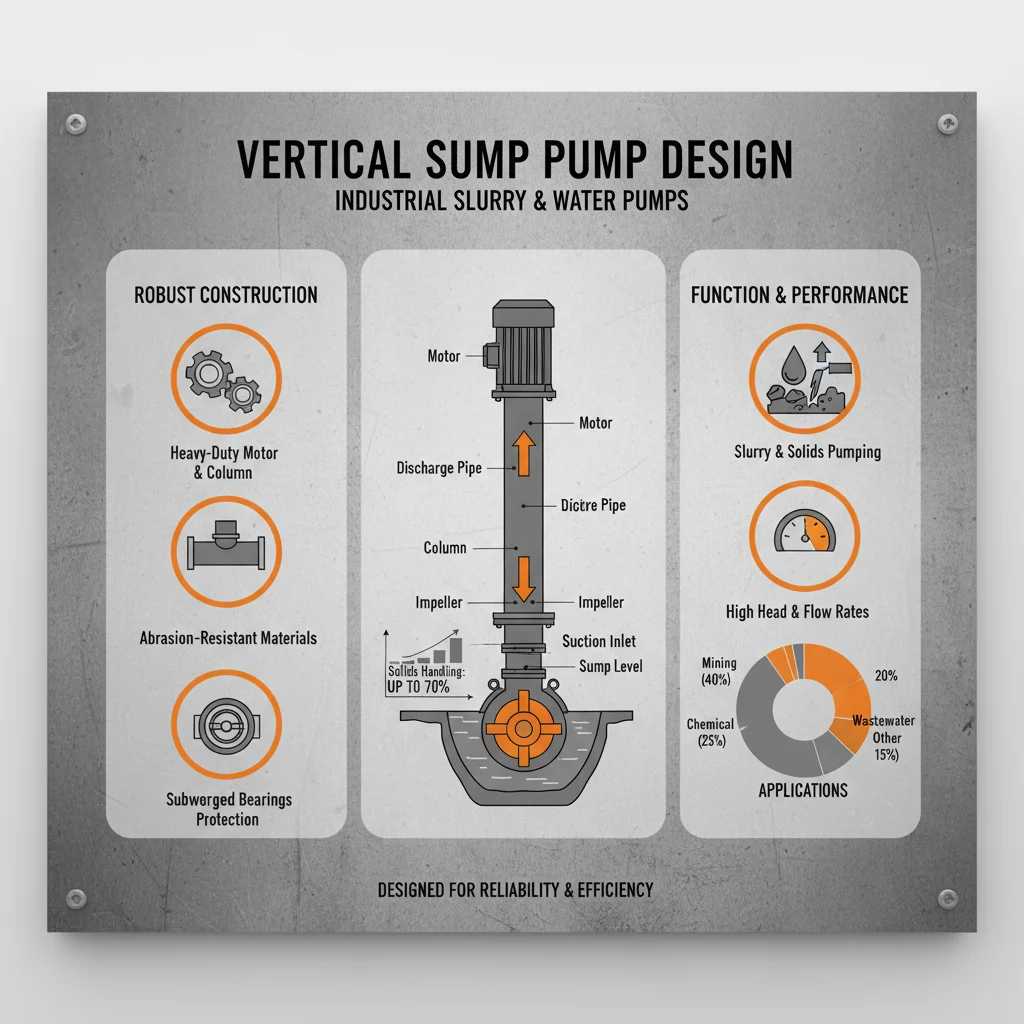
The secret to the longevity of gravel pumps lies in their material composition. High-chromium alloys and natural rubber liners are typically employed to create a barrier between the abrasive slurry and the pump's structural shell. This ensures that the wear occurs on replaceable parts rather than the main casing.
Hydraulic design is equally critical. The impeller of a gravel pump is engineered with wider channels to prevent clogging and reduce the velocity of the particles at the walls, which significantly lowers the rate of erosive wear. This balance between flow volume and particle velocity is what defines a high-efficiency slurry system.
Lastly, the sealing mechanism must be robust. Because gravel slurries can easily penetrate standard seals, specialized expeller seals or gland packing systems are used. These components prevent the abrasive mixture from reaching the bearings and motor, thereby extending the mean time between failures (MTBF) in harsh field conditions.
Key Performance Factors and Efficiency
When evaluating gravel pumps, operators typically focus on three main KPIs: wear life, energy consumption per ton of material moved, and the maximum particle size handled. A pump that can handle larger solids reduces the need for pre-screening, which simplifies the entire processing circuit.
Efficiency in this context is not just about electrical power, but about the "total cost of ownership." A pump that is 5% less energy-efficient but lasts twice as long in an abrasive environment is far more valuable than a high-efficiency pump that requires monthly liner replacements.
Performance Comparison of Gravel Pumps Configurations
Global Applications and Use Cases
In the mining sector, gravel pumps are used extensively in tailings management and ore transport. For instance, in the copper mines of Chile or the iron ore fields of Western Australia, these pumps move massive volumes of slurry from the primary crusher to the flotation cells, ensuring a continuous flow of production.
Beyond mining, these pumps are vital for civil engineering and dredging. In coastal cities like Singapore or Dubai, land reclamation projects rely on these pumps to transport sand and gravel from the seabed to the shore. Additionally, in post-disaster relief, they are used to clear debris-filled waterways to restore drainage and prevent secondary flooding.
Long-Term Economic and Operational Value
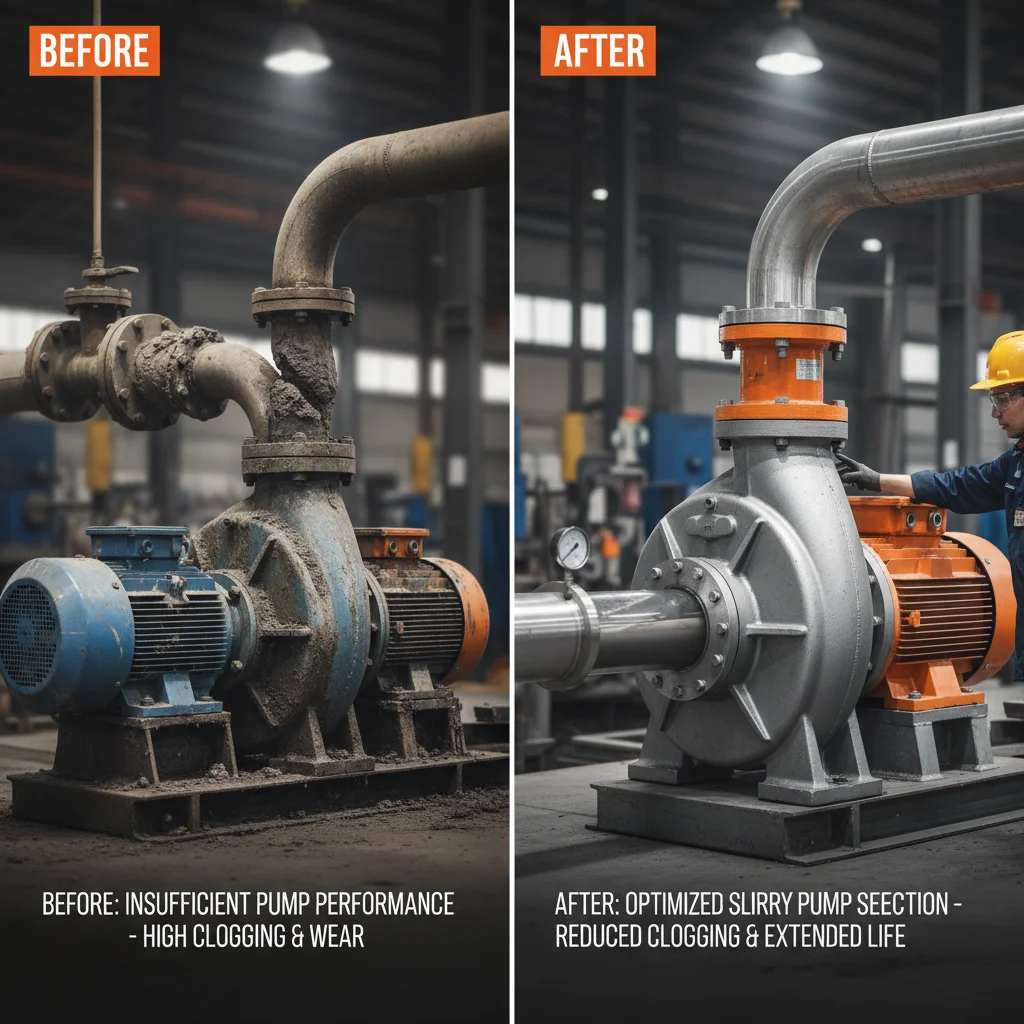
The investment in high-quality gravel pumps yields dividends through drastically reduced unplanned downtime. In a large-scale mining operation, a pump failure can stop the entire production line, costing thousands of dollars per hour. By utilizing pumps with superior wear resistance, companies shift from reactive maintenance to predictive maintenance.
Sustainability is another key value driver. Modern pumps are designed for easier refurbishment; instead of replacing the entire unit, only the worn liners and impellers are swapped. This circular approach reduces metal waste and lowers the carbon footprint associated with manufacturing new heavy machinery.
From a psychological perspective, reliability breeds trust and safety. Operators can work with confidence knowing that the equipment can handle the surge of a heavy slurry load without catastrophic failure, which reduces workplace stress and enhances overall site safety protocols.
Future Innovations in Slurry Transport
The future of gravel pumps is being shaped by the digital transformation of industry. We are seeing the integration of IoT sensors that monitor vibration and wall thickness in real-time. This allows operators to know exactly when a liner is about to fail, eliminating the guesswork and optimizing the replacement cycle.
Material science is also evolving, with the introduction of ceramic-matrix composites and nano-coatings that offer hardness levels far beyond traditional high-chrome alloys. These innovations promise to extend the life of pump internals by 30-50%, further reducing the operational costs of slurry transport.
Automation and variable frequency drives (VFDs) are enabling pumps to adapt their speed based on the actual density of the slurry. This prevents "slugging" and ensures the pump operates at its Best Efficiency Point (BEP), reducing energy waste and mechanical stress.
Analysis of Technical Specifications for Gravel Pumps Configurations
|
Pump Model Series
|
Primary Material
|
Max Particle Size
|
Maintenance Cycle
|
| HG Series Gravel |
High-Chrome Alloy |
up to 100mm |
6-12 Months |
| HAH Heavy Duty |
Hardened Steel |
up to 150mm |
8-15 Months |
| HAF Froth Pump |
Natural Rubber |
up to 60mm |
4-8 Months |
| HSSP Submersible |
Chrome-Nickel Alloy |
up to 80mm |
6-10 Months |
| HWN Dredge Pump |
Composite Alloy |
up to 200mm |
12-24 Months |
| HZ Slurry Pump |
Standard Cr-Alloy |
up to 70mm |
5-9 Months |
FAQS
Gravel pumps are specifically designed for larger, coarser solids. While a standard slurry pump might handle fine tailings or chemical slurries, gravel pumps feature wider impeller channels and significantly more robust wear liners to prevent blockages and resist the high impact of large stones and aggregates.
The choice depends on the nature of the abrasive. Rubber liners are superior for fine-particle slurries and corrosive chemicals due to their elasticity. High-chrome alloys are essential for coarse gravel, sharp rocks, and high-impact environments where the material would simply tear through rubber.
Replacement cycles vary by application, typically ranging from 6 to 18 months. We recommend regular ultrasonic thickness testing of the liners. If the liner thickness drops below 20% of its original size, immediate replacement is necessary to prevent the abrasive slurry from damaging the outer pump casing.
Yes, but only if the wastewater contains heavy grit or sand. For clean wastewater, a gravel pump is overkill and energy-inefficient. However, for storm-water runoff containing debris and gravel, these pumps are ideal because they won't clog like standard submersible pumps.
The most common failures are caused by "dry running" (which overheats the seals) and operating too far from the Best Efficiency Point (BEP), which leads to internal recirculation and accelerated wear. Proper priming and VFD adjustment are the best ways to mitigate these risks.
Generally, spare parts like impellers and liners are specific to the model series (e.g., HG vs. HAH). However, many seal kits and bearings are standardized. We recommend referring to the specific part number in your manual or contacting our OEM support to ensure compatibility.
Conclusion
In summary, gravel pumps are indispensable assets in the heavy industrial landscape, bridging the gap between raw material extraction and processed output. By focusing on advanced materials like high-chrome alloys and optimizing hydraulic designs to handle large particles, these machines drastically reduce downtime and operational costs. From mining and dredging to urban infrastructure and disaster relief, the reliability of slurry transport is a cornerstone of global industrial efficiency.
Looking ahead, the integration of smart monitoring and nano-material science will continue to push the boundaries of what these pumps can achieve. For operators, the key to long-term success lies in selecting a pump that matches the specific abrasive profile of their material and committing to a predictive maintenance schedule. Investing in quality equipment today ensures a sustainable, low-cost operation for the future. Visit our website for more professional solutions: www.hihornpump.com