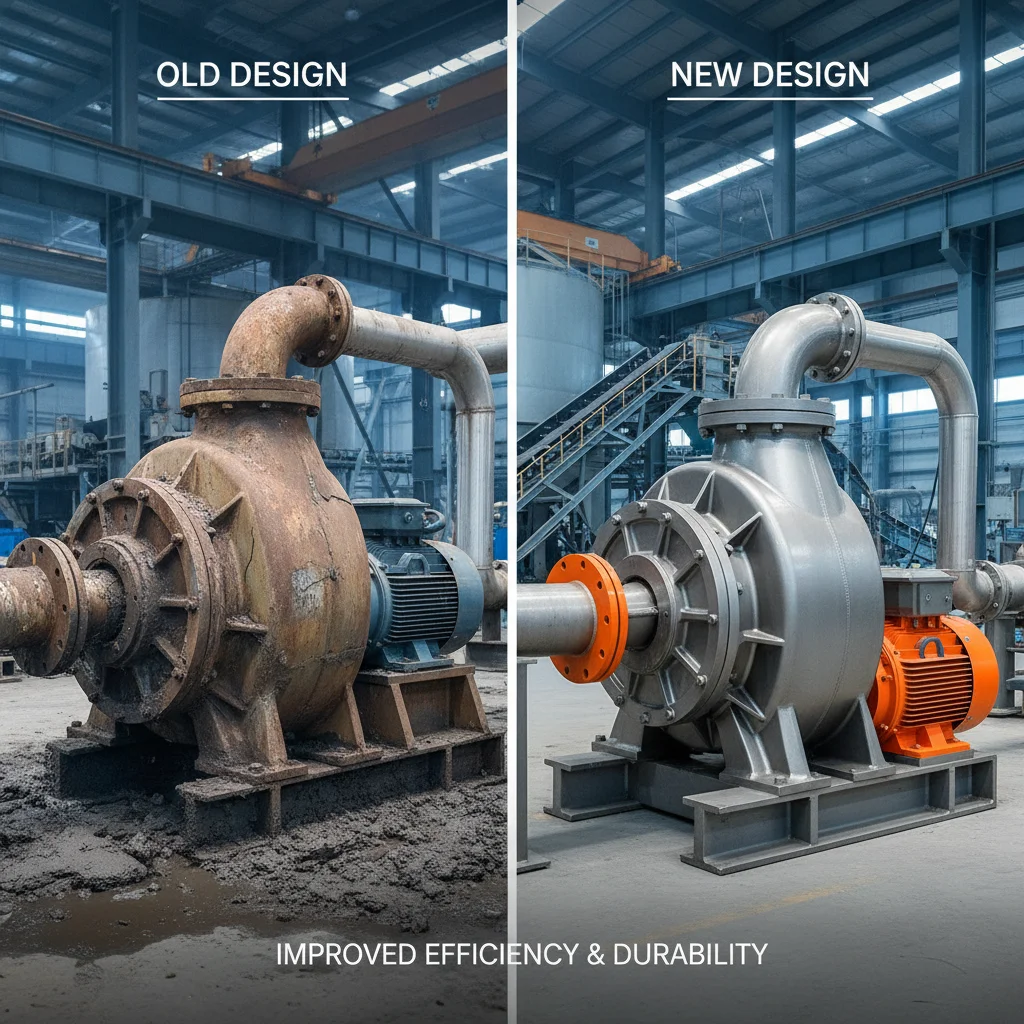
The industrial movement of abrasive materials requires specialized engineering to overcome the constant threat of erosion and mechanical failure. In high-demand sectors like mining and dredging, the implementation of a high-performance hydraulic slurry pump is essential for maintaining operational continuity and reducing the total cost of ownership. By optimizing the flow of heavy solids, these systems ensure that production targets are met without frequent unplanned shutdowns.
Across the globe, the demand for efficient mineral processing and waste management has pushed the boundaries of materials science and fluid dynamics. Modern industrial standards now require pumping solutions that can handle not only high-volume flowrates but also extreme particle sizes and elevated temperatures. This shift has led to the development of robust gravel pumps that prioritize internal hydraulic efficiency and wear resistance to withstand the harshest environments.
Understanding the nuances of a hydraulic slurry pump allows plant managers to transition from reactive maintenance to proactive lifecycle management. By integrating advanced high-chromium alloys and optimized impeller designs, industries can significantly extend the service life of their equipment. This comprehensive guide explores the technical specifications, applications, and long-term value of the HG(H) Series Gravel Pumps in the modern industrial landscape.

Global Relevance of Industrial Slurry Transport
The global mining and mineral processing industry operates on a scale where efficiency is measured in thousands of cubic meters per hour. In this context, the ability to transport abrasive slurries—mixtures of water and solid particles like gravel or ore—is a critical bottleneck. Without a reliable hydraulic slurry pump, the entire production chain, from extraction to refining, risks stagnation due to equipment erosion.
Across regions such as Australia, Brazil, and Canada, where large-scale mining is prevalent, the challenge lies in balancing high flow rates with the longevity of the pump's wet parts. The industry faces a constant struggle against "wear and tear," where coarse particles act like sandpaper on internal surfaces. This necessitates a shift toward specialized gravel pumps that can maintain a high head and flowrate while resisting the devastating effects of high-velocity abrasion.
Defining the High-Performance Hydraulic Slurry Pump
In simple terms, a hydraulic slurry pump is a heavy-duty centrifugal machine designed to move liquids containing suspended solids. Unlike standard water pumps, these machines are engineered with specialized materials and wider flow passages to prevent clogging and minimize the erosive impact of the solids. The HG(H) Series, specifically, is categorized as a gravel pump, meaning it is optimized for the largest particle sizes and the most abrasive slurry compositions.
The connection between these pumps and modern industrial needs is rooted in the requirement for stability and reliability. Whether it is transporting tailings in a mine or managing dredged material in a harbor, the pump must function as the "heart" of the system. If the heart fails due to a breach in the casing or impeller wear, the financial losses from downtime can reach tens of thousands of dollars per hour.
Modern definitions of these pumps now include a focus on "hydraulic efficiency." This means that the pump isn't just about strength; it's about the science of fluid movement. By reducing internal turbulence, a high-performance pump reduces the energy required to move the slurry and simultaneously slows the rate of wear on the internal components, creating a sustainable cycle of operation.
Core Components for Extreme Durability
The foundation of any reliable hydraulic slurry pump lies in its material composition. For the HG(H) series, the use of high-chromium alloy wet parts is non-negotiable. With a chromium content exceeding 28%, these components achieve a Rockwell hardness of HRC 66, providing a shield that can withstand the impact of coarse gravel and sharp mineral fragments.
Beyond the alloys, the mechanical integrity is supported by premium global brand bearings. These bearings are selected to handle heavy mechanical loads and resist corrosion, ensuring that the shaft remains stable even when the pump is operating at its maximum flowrate of 10,000 m³/h. This synergy between hard-facing materials and precision mechanical components is what prevents premature failure in high-pressure environments.
Furthermore, the design of the impeller is a core factor. A large-diameter impeller combined with expansive flow passages ensures that the hydraulic slurry pump can handle large particles without clogging. This design prevents the buildup of solids that typically leads to cavitation and vibration, thereby extending the overall service life of the machine.
Operational Efficiency and Hydraulic Design
Efficiency in slurry transport is often hindered by internal turbulence, which not only consumes more energy but also accelerates the wear of the pump casing. The HG(H) series addresses this through advanced hydraulic engineering, focusing on a streamlined flow path. By minimizing the areas where slurry swirls or stagnates, the pump achieves a balance between high discharge capacity and component longevity.
For applications requiring greater lift or pressure, the HGH variant provides a specialized configuration for higher head demands, reaching up to 90 meters. This versatility allows operators to customize their setup based on the specific topography of the site, ensuring that the hydraulic slurry pump operates within its best efficiency point (BEP).
HG Series Performance Metrics vs Standard Slurry Pumps
Global Applications and Mining Use Cases
The HG(H) series is deployed in some of the most challenging environments on earth. In the open-pit mines of South America, these pumps are used to move high-density ore slurries from the pit to the processing plant. Their ability to handle high-temperature slurries makes them indispensable in geothermal mining and chemical processing, where heat typically degrades the structural integrity of standard pumping equipment.
In dredging operations along the coastlines of Southeast Asia, the hydraulic slurry pump is used to clear large volumes of sand and gravel to maintain navigable waterways. The wide flow passages prevent the pump from choking on large seabed debris, ensuring a consistent flowrate that keeps dredging projects on schedule and within budget.
Long-Term Value and ROI Analysis
When evaluating the investment in a hydraulic slurry pump, the focus must shift from the initial purchase price to the Total Cost of Ownership (TCO). While high-chrome alloys increase the upfront cost, the dramatic extension in wear life reduces the frequency of replacements. Fewer shutdowns mean more production hours and significantly lower labor costs for maintenance.
Moreover, the reduction in internal turbulence translates directly into energy savings. Over a five-year operational cycle, the energy efficiency of a well-designed gravel pump can save a mining operation thousands of dollars in electricity costs. This logical approach to ROI makes the HG series a strategic asset rather than a simple expense.
Reliability also provides an emotional and organizational benefit: peace of mind. Knowing that the critical transport system is built to HRC 66 hardness standards allows engineers to focus on optimization rather than crisis management. This stability fosters trust within the operational team and ensures a safer working environment by reducing the need for emergency manual interventions.
Future Innovations in Slurry Pumping Technology
The future of the hydraulic slurry pump is moving toward digitalization and "smart" monitoring. Integrating real-time diagnostics allows operators to detect cavitation or turbulence issues before they cause catastrophic failure. By tracking wear patterns digitally, maintenance can be scheduled based on actual abrasion levels rather than generic time intervals.
Material science continues to evolve, with explorations into ceramic-metal composites and nano-coatings to further increase surface hardness. These innovations aim to push the boundaries beyond HRC 66, potentially doubling the service life of impellers in extremely aggressive chemical slurries.
Sustainability is also becoming a core driver. Future designs are focusing on "Green Pumping," where variable speed drives (VSD) are integrated to adjust flow parameters in real-time. This ensures that the pump always operates at its most efficient point, reducing the carbon footprint of the mining process while maintaining the high performance required for gravel transport.
Comparative Analysis of HG Series vs. Standard Slurry Pump Performance
| Performance Metric |
Standard Pump |
HG Series Pump |
ROI Impact |
| Material Hardness |
Standard Cast Iron |
High Chrome (HRC 66) |
Very High |
| Wear Life |
Short (Frequent) |
Extended |
Lower OPEX |
| Particle Handling |
Limited Size |
Large Gravel/Solids |
High Versatility |
| Energy Loss |
High (Turbulent) |
Low (Optimized) |
Reduced Energy Bill |
| Temp Stability |
Moderate |
High Temperature Ready |
Expanded Use Cases |
| Maintenance Cost |
High/Recurring |
Low/Scheduled |
Optimized ROI |
FAQS
While both share the same robust high-chromium design, the HGH series is specifically engineered for higher head demand. This makes it the ideal choice for applications requiring greater lift or higher pressure to transport slurries over longer distances or steeper inclines, whereas the HG is optimized for standard high-volume gravel transport.
The pumps utilize a high chromium alloy with a chromium content exceeding 28%, resulting in a Rockwell hardness of HRC 66. This creates an extremely hard surface that resists the abrasive "cutting" action of gravel and ore particles, significantly extending the time between wet-part replacements compared to standard cast iron pumps.
Yes, the HG series is specifically engineered to maintain its structural integrity and operational efficiency even when conveying high-temperature slurries. The materials used are selected to resist thermal expansion and stress, ensuring the pump doesn't warp or fail under heat-intensive industrial conditions.
Clogging is prevented by the integration of a large-diameter impeller and wide flow passages. These design features ensure that coarse particles can pass through the pump with minimal resistance and without accumulating in the casing, which is critical for maintaining a consistent flowrate of up to 10,000 m³/h.
The HG series is highly versatile, offering a flowrate range from 80 to 10,000 m³/h. Depending on the specific model and configuration chosen (HG or HGH), the maximum head can reach up to 90 meters, allowing it to adapt to various industrial scale requirements.
Because slurry pumps operate under extreme mechanical loads and in corrosive environments, standard bearings would fail quickly. We use globally recognized premium brand bearings to ensure maximum resistance to wear and vibration, which protects the pump shaft and reduces the risk of unplanned mechanical downtime.
Conclusion
The implementation of a high-performance hydraulic slurry pump, such as the HG(H) Series, is a critical decision for any industrial operation dealing with abrasive solids. By combining HRC 66 high-chromium alloys, optimized hydraulic paths to reduce turbulence, and the capacity to handle massive flowrates, these pumps transform a traditionally high-maintenance process into a streamlined, efficient operation. The synergy of durability and efficiency not only lowers the total cost of ownership but also ensures that mining and dredging projects remain productive under the most grueling conditions.
Looking ahead, the integration of smart diagnostics and sustainable energy practices will further refine the value of slurry transport systems. Operators are encouraged to move away from low-cost, short-life equipment and instead invest in engineered solutions that offer long-term ROI and operational stability. For those seeking to optimize their slurry transport efficiency and reduce downtime, exploring the technical capabilities of the HG series is the first step toward industrial excellence. Visit our website: www.hihornpump.com