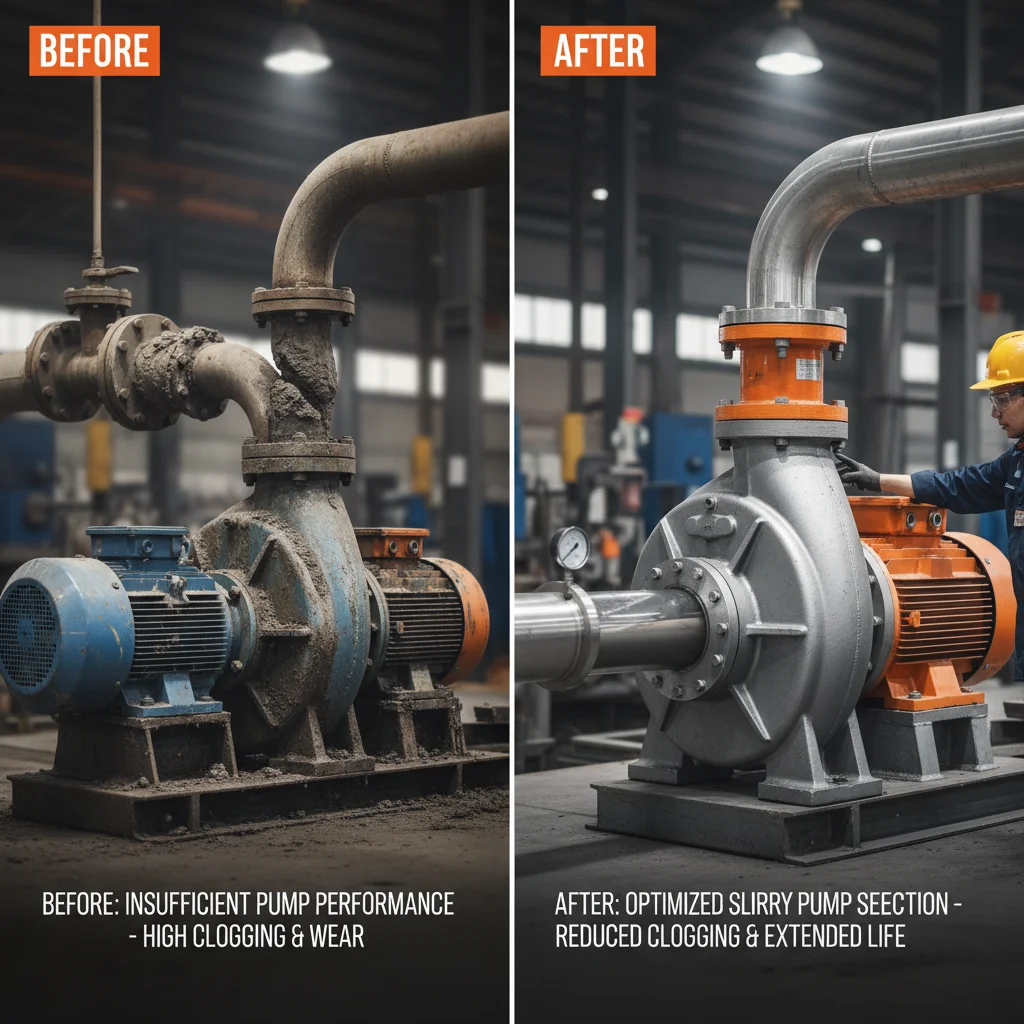
Managing industrial fluid waste and abrasive slurries requires a precise balance of material science and hydraulic engineering. In heavy-duty environments like mining and metallurgy, the ability to move high-concentration solids without premature equipment failure is a critical operational bottleneck. When evaluating a sump pump company, the focus must shift from simple flow rates to the long-term wear resistance of the internal components.
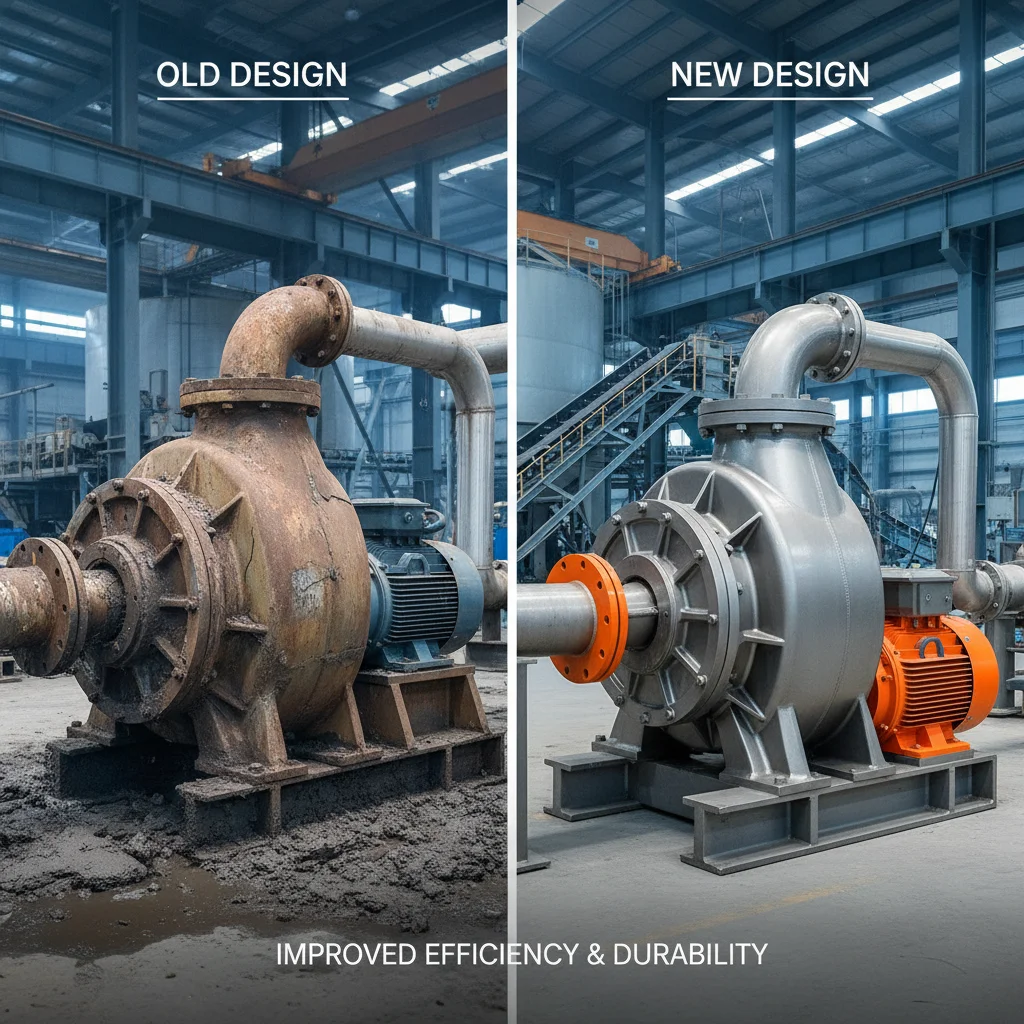
The challenge lies in the abrasive nature of the medium, which can erode standard cast iron or steel impellers in a matter of days. Engineering teams are increasingly looking toward high-chromium alloys and specialized casing designs to mitigate this downtime. The industry is moving away from "off-the-shelf" generic pumps toward customized fluid delivery solutions that account for PH levels, particle size, and impact velocity.
This analysis explores the technical criteria for selecting high-performance slurry and sump systems, focusing on how material selection and structural architecture impact the total cost of ownership. By understanding the interplay between flow dynamics and wear-resistant alloys, operators can optimize their dredging and waste management workflows via the specialized solutions found at sump pump company.


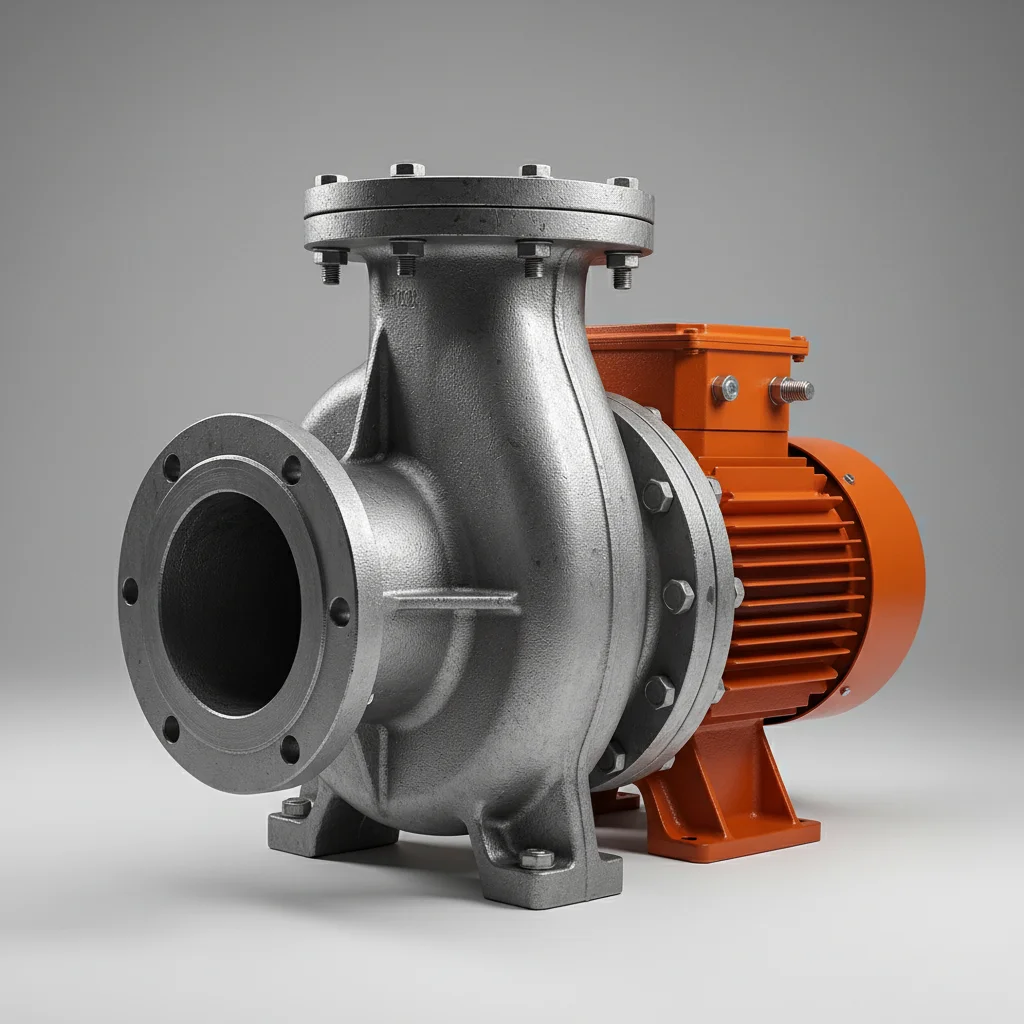
Industrial slurry pumps are categorized by their casing structure, primarily split into single-case and double-case configurations. Double-case pumps often utilize a vertical mid-open structure, which significantly simplifies maintenance by allowing access to the impeller without dismantling the entire piping network.
From a fluid dynamics perspective, the discharge port positioning is critical. Advanced designs allow the outlet to be positioned in eight different directions at 45-degree intervals, enabling engineers to reduce friction losses and optimize the system's Net Positive Suction Head (NPSH) based on the site's specific topography.
The longevity of a pumping system is determined by its resistance to two primary forces: abrasive wear and chemical corrosion. High-chromium wear-resistant alloys are the industry standard for abrasive slurry, providing a hard surface that resists the scouring effect of minerals. However, the specific alloy choice must match the chemical composition of the fluid.
For scenarios involving large impact conditions and a PH value between 5 and 12, materials like the HA05 series are typically deployed due to their superior impact toughness. In contrast, scenarios requiring high anti-scouring properties benefit from the HA07 series, which focuses on surface hardness and erosion resistance over long durations.
When dealing with low-PH corrosive environments, standard high-chrome alloys fail rapidly. Special corrosion-resistant materials such as HA49 and HA51 are required. These materials are engineered to maintain structural integrity even when exposed to acidic waste, ensuring that the pump does not suffer from pitting or stress-corrosion cracking.
Designing an impeller for abrasive slurry requires a critical trade-off between hydraulic efficiency and wear life. A high-efficiency impeller often has thinner vanes and tighter clearances, which increases the flow velocity but also accelerates erosion at the vane tips.
Furthermore, the choice between a single-case and double-case design affects the pump's ability to handle high-concentration slurries. Double-case pumps provide additional structural rigidity and better sealing capabilities, which are essential when pumping minerals with high specific gravity in the coal or power industries.
Evaluating the reliability of different slurry pump configurations involves analyzing the relationship between material hardness and the operating environment. In metallurgy and mineral processing, the frequency of replacement parts is the primary driver of operating costs.
The following assessment uses normalized engineering ratings to compare different material configurations against common failure modes such as abrasive wear, corrosive pitting, and impact fracture. This allows procurement teams to select the most durable option for their specific application.
In typical deployment scenarios, such as coal washing or electric power ash removal, the pump must handle high-concentration slurry with minimal clogging. The integration of a sump system often involves a carefully calculated suction lift and a discharge head that can reach up to 150m, requiring robust motor power and precise impeller matching to prevent cavitation.
Representative engineering scenarios also include dredging and sewage treatment, where the medium varies significantly in density. In these cases, the use of submersible slurry pumps (HSSP series) or dredge pumps (HWN series) provides the flexibility needed to operate in varying fluid levels while maintaining a stable flow rate between 6.5 and 3500 m³/h.
The future of slurry transport is moving toward "intelligent" wear monitoring and the adoption of hybrid materials. While high-chromium alloys remain dominant, the industry is exploring ceramic inserts and nano-structured coatings to further reduce the friction coefficient and increase the service life of the impeller.
Additionally, there is a growing demand for energy-efficient hydraulic profiles. By utilizing computational fluid dynamics (CFD), manufacturers are refining the internal geometry of the pump to reduce energy consumption without sacrificing the ability to transport heavy solids. This shift is driven by global industrial pressures to reduce carbon footprints in the mining sector.
Another emerging trend is the modularization of pump components. By standardizing wear parts and utilizing precision processing systems, companies can reduce the downtime associated with maintenance, allowing for faster swaps of liners and impellers in critical 24/7 operations.
Selecting the correct pump configuration requires a detailed analysis of the fluid's physical properties. A mismatch between the material hardness and the slurry's abrasive index can lead to catastrophic failure within weeks of installation.
Engineers should evaluate the required flow rate and max head against the available material options. For example, a high-concentration slurry in a metallurgy plant requires different alloy specs than a low-concentration aqueous waste stream in a building materials factory.
The following matrix provides a framework for matching specific industrial profiles with the appropriate pump configurations and material choices, ensuring optimal reliability and efficiency.
| Application Profile | Material Selection | Casing Configuration | Priority Metric |
|---|---|---|---|
| Mining Abrasive Slurry | HA05 High-Chrome | Double-Case | Impact Resistance |
| Mineral Processing | HA07 High-Chrome | Single-Case | Anti-Scouring |
| Acidic Industrial Waste | HA49 Corrosion-Resist | Double-Case | Chemical Stability |
| Coal Ash Transport | Standard Alloy | Single-Case | Flow Efficiency |
| Heavy Duty Dredging | HA61 Special Alloy | Submersible/Dredge | solids Handling |
| General Sump Duty | Cast Iron/Steel | Standard Sump | Operational Cost |
The choice depends on the maintenance requirements and the concentration of the slurry. Double-case pumps typically feature a vertical mid-open structure, which allows for much easier access to the internal impeller and wear liners without disturbing the connected piping. This is ideal for high-wear environments where frequent maintenance is expected. Single-case pumps are generally more compact and suitable for lower-wear applications or where space is severely limited.
PH value determines whether the pump will fail due to mechanical abrasion or chemical corrosion. High-chromium alloys (like HA05/HA07) are excellent for abrasive wear but can be vulnerable in highly acidic or alkaline environments. For fluids with low PH, specialized corrosion-resistant materials such as HA49 are necessary to prevent the metal from dissolving or pitting, which would otherwise lead to rapid structural failure regardless of the pump's hardness.
The discharge diameter (ranging from 25mm to 350mm in industrial series) directly controls the velocity of the slurry. A larger diameter reduces the flow velocity, which lowers the rate of abrasive wear on the casing and pipes. However, if the diameter is too large for the flow rate, the velocity may drop below the critical settling velocity, causing solids to accumulate and block the line. Proper sizing is a balance between wear prevention and transport reliability.
Premature failure is usually caused by three factors: incorrect material selection (e.g., using standard steel for high-impact slurry), cavitation due to insufficient NPSH, or operating the pump too far from its Best Efficiency Point (BEP). When a pump operates off-design, it creates internal turbulence and vortices that accelerate localized erosion, often appearing as "pitting" on the impeller vanes.
Yes, high-chromium pumps are specifically designed for this. By using materials like the HA series and optimizing the hydraulic path, these pumps can move abrasive slurries with high solid concentrations found in coal and metallurgy. The key is ensuring the pump is matched to the specific gravity of the solids to ensure the motor can handle the increased torque and the impeller can maintain the necessary suspension velocity.
Look for a company that provides a full-chain processing system, including their own casting and precision machining. The ability to customize material composition (such as switching between HA05 and HA49) and adjust discharge port angles based on your site's layout is a sign of a technically capable partner. Verification of ISO9001 and ISO14001 certifications ensures that the precision testing systems used to verify material hardness and mechanical properties are standardized.
The operational success of industrial slurry management depends on the precise alignment of material properties with the abrasive and chemical characteristics of the fluid. Moving from generic solutions to engineered configurations—such as matching HA05 alloys for impact or HA49 for acidity—directly correlates to reduced downtime and lower long-term maintenance costs.
For procurement and engineering teams, the priority should be on verifying the manufacturing process and the technical capability of the sump pump company. By focusing on hydraulic architecture, discharge optimization, and material science, operators can ensure a stable, high-efficiency fluid delivery system that withstands the most demanding industrial environments.

If you are interested in our products, you can choose to leave your information here, and we will be in touch with you shortly.