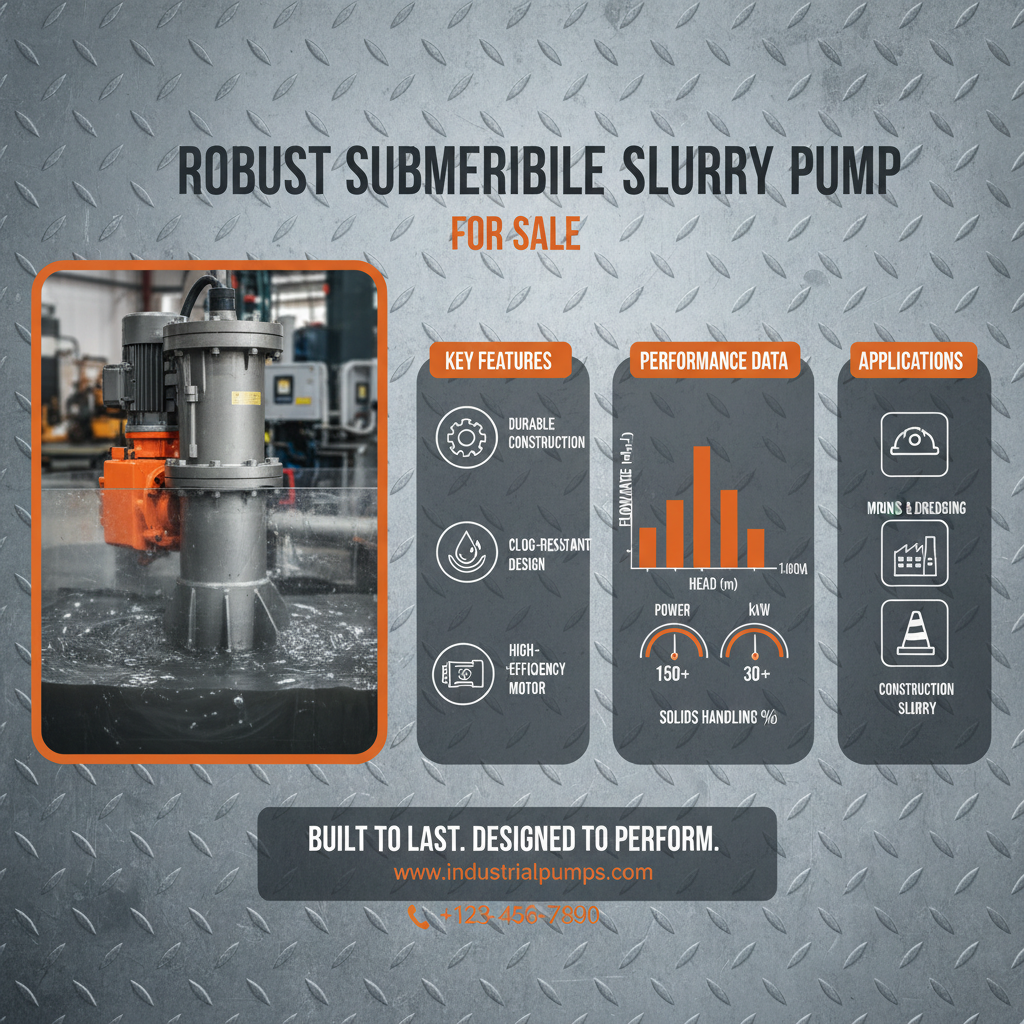
Slurry pump for sale are essential pieces of equipment across a vast range of industries, from mining and construction to wastewater treatment and agriculture. Their ability to efficiently move abrasive, viscous, or solid-laden fluids makes them indispensable for many operations. Recognizing the need for robust and reliable slurry handling solutions has driven significant global demand, impacting manufacturing, distribution, and technological advancements in pump design. Understanding the nuances of selecting the right slurry pump for sale is crucial for minimizing downtime, maximizing efficiency, and reducing operational costs.
The global slurry pump market is experiencing consistent growth, driven by increased infrastructure development in emerging economies, stricter environmental regulations regarding wastewater management, and a rising demand for raw materials like minerals and ores. Reports from organizations like the World Bank highlight the increasing need for efficient water management and resource extraction, directly impacting the demand for high-performance slurry pumps. This presents both opportunities and challenges for manufacturers and end-users alike, requiring a focus on innovation, sustainability, and cost-effectiveness when considering a slurry pump for sale.
Addressing the challenges of handling abrasive slurries—such as erosion, corrosion, and clogging—is paramount for maintaining operational integrity. Investing in a well-suited slurry pump isn’t merely a capital expenditure; it’s a strategic decision that safeguards productivity, enhances environmental protection, and contributes to long-term profitability. The selection process often involves careful consideration of slurry characteristics, flow rate requirements, and the specific application’s environmental conditions, ultimately determining the optimal slurry pump for sale.
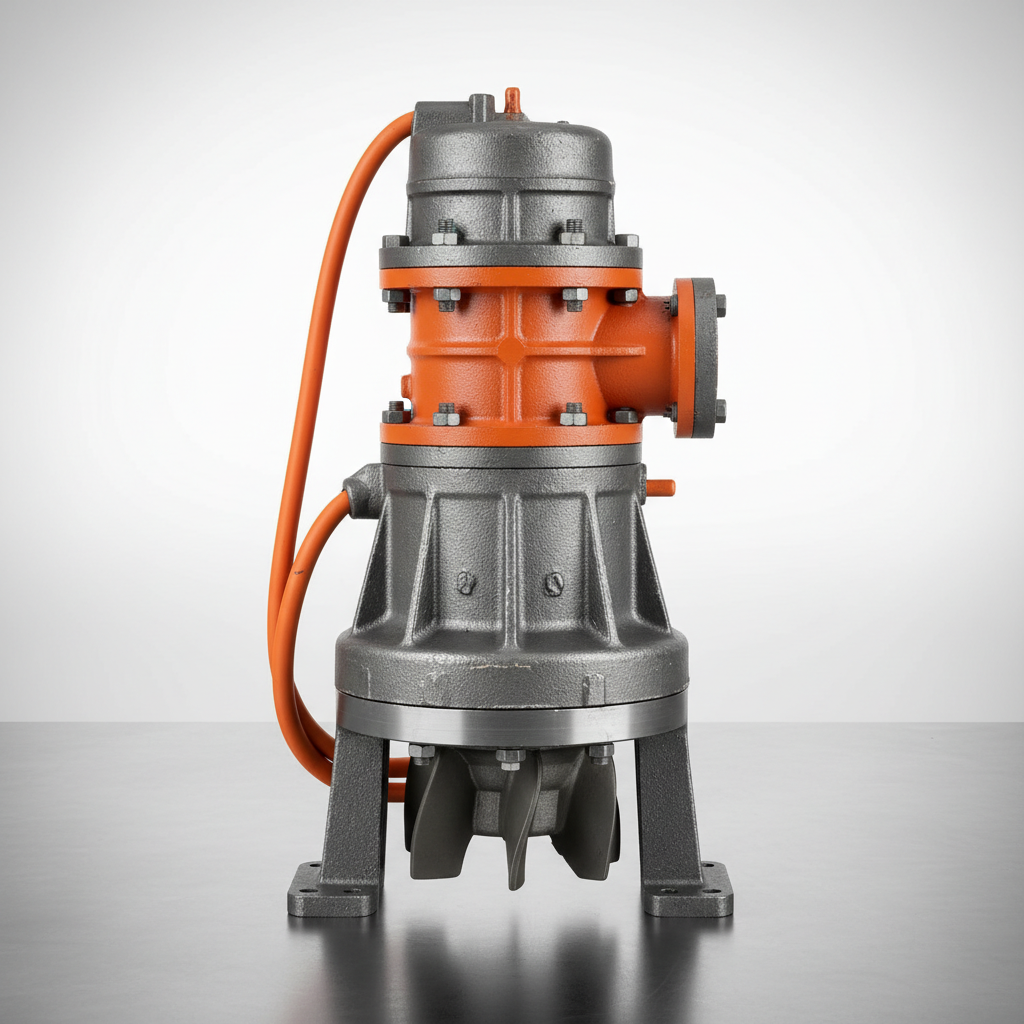
The Importance of Slurry Pump for Sale
Slurry pumps are fundamental for numerous industrial processes. The proper selection of a slurry pump for sale directly impacts the efficiency and longevity of entire systems. Without a capable slurry pump, industries face significant challenges including production bottlenecks, increased maintenance costs, and potential environmental hazards.
The demand for efficient slurry handling extends beyond traditional sectors like mining. Modern applications in water and wastewater treatment, chemical processing, and even food production increasingly rely on specialized slurry pumps to manage complex fluid dynamics and maintain process integrity. Consequently, a robust market exists for a diverse range of slurry pump for sale options.
Understanding Slurry Pump Technology
Slurry pumps are specifically designed to move fluids containing solid particles. Unlike standard centrifugal pumps, slurry pumps incorporate design features to withstand the abrasive nature of these mixtures. These features include hardened materials, larger internal clearances, and specialized impeller designs. Choosing the correct type of slurry pump for sale depends on the slurry’s properties - particle size, concentration, and abrasiveness – as well as the required flow rate and head pressure.
There are several key types of slurry pumps available, each suited to specific applications. These include centrifugal slurry pumps, positive displacement slurry pumps (such as peristaltic and progressive cavity pumps), and vertical turbine pumps. Centrifugal pumps are commonly used for high-volume applications with lower head requirements, while positive displacement pumps excel in handling highly viscous or abrasive slurries. Understanding these distinctions is crucial when evaluating a slurry pump for sale.
A critical aspect of slurry pump technology is the selection of appropriate sealing mechanisms. Mechanical seals, packing glands, and sealless magnetic drive pumps each offer different levels of protection against leakage and contamination. The best choice depends on the specific slurry composition, operating pressure, and environmental regulations.
Core Components and Material Science
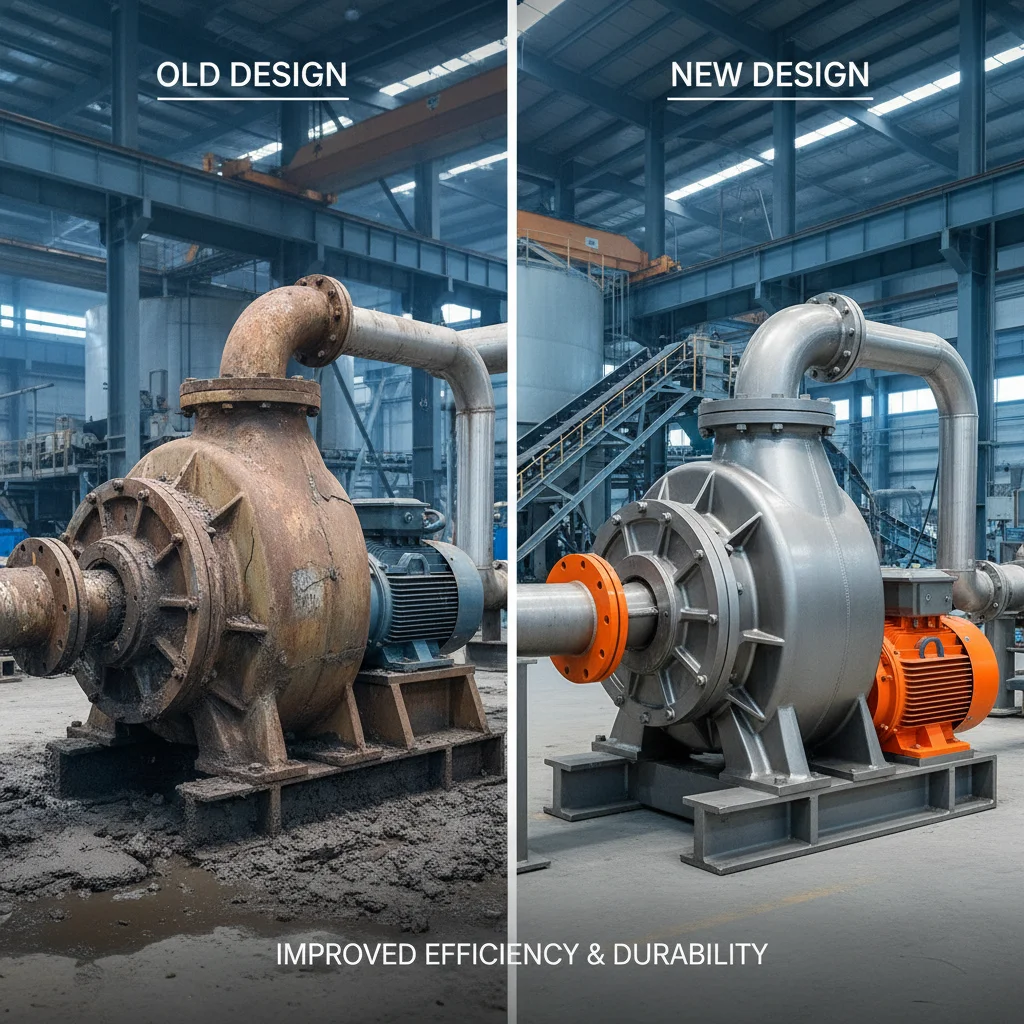
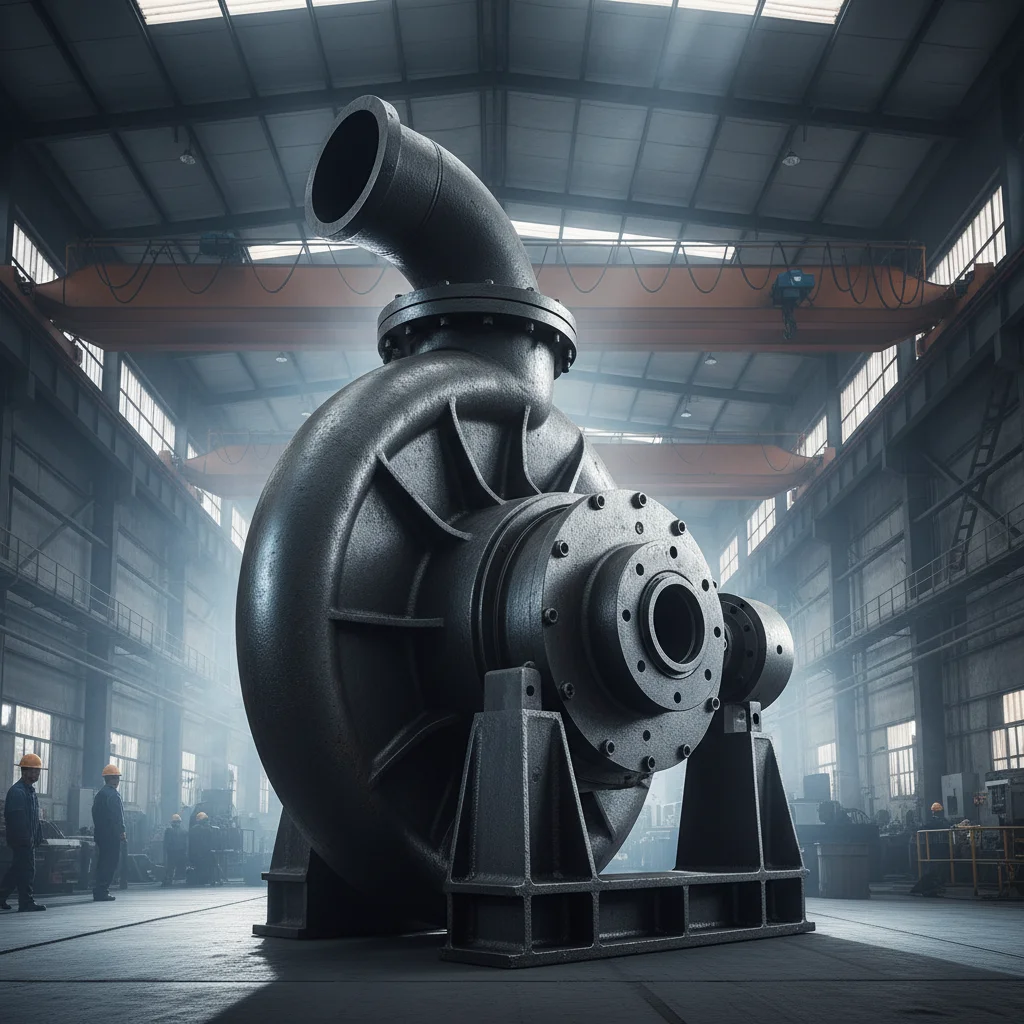
The core components of a slurry pump – impeller, volute casing, shaft, and bearings – must be constructed from materials resistant to abrasion, corrosion, and erosion. Common materials include high-chrome cast iron, stainless steel, ceramic, and various polymer coatings. The selection of materials is paramount for maximizing pump lifespan and minimizing maintenance requirements, especially when considering a slurry pump for sale for challenging applications.
Material science plays a crucial role in slurry pump design. Hardfacing techniques, such as applying a layer of wear-resistant alloy to critical pump components, significantly enhance their durability. Furthermore, advancements in ceramic materials are providing even greater resistance to abrasion and corrosion, extending the operational life of slurry pumps. When assessing a slurry pump for sale, inquire about the materials used and their suitability for your specific slurry composition.
Impeller design is another critical factor. Open impellers are preferred for handling slurries with large solids, while closed impellers are more efficient for slurries with smaller particles. The impeller’s geometry and blade angle directly influence the pump’s hydraulic performance and ability to handle abrasive materials.
Key Performance Indicators of Slurry Pumps
Several key performance indicators (KPIs) are used to evaluate the efficiency and reliability of slurry pumps. These include flow rate, head pressure, pump efficiency, and mean time between failures (MTBF). Monitoring these KPIs allows operators to optimize pump performance and proactively address potential issues, ensuring long-term operational stability.
Understanding the pump curve—a graphical representation of flow rate versus head pressure—is essential for selecting the appropriate slurry pump for sale for a specific application. The pump curve helps ensure that the pump can deliver the required flow rate at the desired head pressure without exceeding its operational limits.
Slurry Pump Performance Comparison
Global Applications of Slurry Pumps
Slurry pumps find widespread application across diverse industries globally. In the mining sector, they are critical for transporting ore slurries, tailings, and process water. Construction relies on slurry pumps for managing bentonite slurries used in tunneling and foundation work.
The wastewater treatment industry utilizes slurry pumps to handle sludge, grit, and other solid-laden waste streams. Agriculture employs slurry pumps for distributing manure and irrigation water containing sediment. In remote industrial zones, particularly in developing countries, access to reliable slurry pump for sale is crucial for resource extraction and processing.
The Long-Term Value Proposition
Investing in a high-quality slurry pump offers significant long-term value beyond the initial purchase price. Reduced maintenance costs, minimized downtime, and extended operational life contribute to substantial savings over the pump’s lifespan. Furthermore, choosing an energy-efficient pump reduces energy consumption and lowers operating expenses.
A robust slurry pump also enhances safety by preventing leaks and spills, protecting workers and the environment. The reliability of the pump contributes to improved process control and product quality. Selecting a reputable supplier offering comprehensive support and spare parts availability further enhances the long-term value proposition of a slurry pump for sale.
Beyond the purely economic benefits, using durable and efficient slurry pumps demonstrates a commitment to sustainable practices, minimizing environmental impact and fostering a positive corporate image.
Future Trends and Innovations in Slurry Pump Technology
The future of slurry pump technology is focused on increasing efficiency, reducing environmental impact, and enhancing monitoring capabilities. Advancements in materials science, such as the development of new wear-resistant alloys and ceramic composites, are extending pump lifespan and reducing maintenance requirements.
Digital transformation is playing a significant role, with the integration of sensors and data analytics enabling predictive maintenance and optimized pump performance. Remote monitoring and control systems allow operators to proactively identify and address potential issues, minimizing downtime and maximizing efficiency.
The trend toward sustainable solutions is driving the development of energy-efficient pumps and the exploration of alternative pumping technologies. The adoption of variable frequency drives (VFDs) allows for precise control of pump speed, reducing energy consumption and extending pump life.
Summary of Future Trends in Slurry Pump Technology
| Trend Category |
Key Innovation |
Impact on Slurry Pump Performance |
Expected Implementation Timeline |
| Materials Science |
Advanced Ceramic Composites |
Increased abrasion resistance, extended pump life. |
2-5 years |
| Digitalization |
Predictive Maintenance Algorithms |
Reduced downtime, optimized maintenance schedules. |
1-3 years |
| Energy Efficiency |
Variable Frequency Drives (VFDs) |
Lower energy consumption, precise flow control. |
Currently Implemented |
| Pump Design |
Improved Impeller Geometry |
Enhanced hydraulic efficiency, reduced wear. |
3-7 years |
| Monitoring Systems |
Wireless Sensor Networks |
Real-time performance data, remote diagnostics. |
2-4 years |
| Automation |
Automated Control Systems |
Reduced operator intervention, optimized process control. |
5-10 years |
FAQS
The lifespan of a slurry pump varies significantly depending on the application, slurry composition, and maintenance practices. However, a well-maintained slurry pump can typically operate for 5-10 years or more. Selecting a high-quality slurry pump for sale with durable materials and regular inspections can maximize its lifespan and minimize downtime. Factors like abrasion levels and operating hours play a key role in determining longevity.
Selecting the right slurry pump requires careful consideration of several factors, including the slurry’s composition (particle size, concentration, abrasiveness), flow rate, head pressure, and operating conditions. Consulting with a slurry pump expert is highly recommended to ensure that the chosen pump meets your specific requirements. A poorly chosen slurry pump for sale can result in reduced efficiency, increased maintenance costs, and premature failure.
Regular maintenance is crucial for extending the lifespan and ensuring the reliable operation of a slurry pump. This includes routine inspections of wear parts (impeller, liners, seals), lubrication of bearings, and monitoring of pump performance. Scheduled preventative maintenance, such as replacing worn components before they fail, can significantly reduce downtime and prevent costly repairs. Purchasing a slurry pump for sale with readily available spare parts is also beneficial.
Common causes of slurry pump failure include abrasive wear, corrosion, erosion, cavitation, and mechanical seal failure. Abrasive wear is particularly prevalent in applications handling slurries with high solids content. Proper material selection, regular maintenance, and monitoring of pump performance can help mitigate these risks. Addressing issues promptly can prevent catastrophic failure of your slurry pump for sale.
Centrifugal slurry pumps are suitable for high-volume applications with lower head requirements, while positive displacement slurry pumps are better for handling highly viscous or abrasive slurries at lower flow rates. Centrifugal pumps excel at continuous flow, whereas positive displacement pumps provide consistent flow regardless of pressure changes. The choice between these types depends on your specific application and slurry characteristics when investing in a slurry pump for sale.
Several strategies can improve slurry pump system efficiency. These include optimizing pump speed with a VFD, ensuring proper pipeline design to minimize friction losses, selecting the right impeller type for the slurry characteristics, and implementing regular maintenance to prevent wear and maintain optimal performance. Regularly assessing the efficiency of your slurry pump for sale is key to cost savings.
Conclusion
Slurry pumps are vital components across numerous industries, enabling efficient and reliable fluid handling in challenging applications. Choosing the right slurry pump for sale requires careful consideration of slurry properties, application requirements, and long-term operating costs. Advances in materials science, digitalization, and automation are driving continuous improvements in pump performance and efficiency, leading to increased productivity and reduced environmental impact.
Looking ahead, the trend toward sustainable solutions and predictive maintenance will continue to shape the future of slurry pump technology. Investing in high-quality slurry pumps and implementing robust maintenance programs are essential for maximizing operational reliability and minimizing total cost of ownership. Visit our website at www.hihornpump.com to explore our comprehensive range of slurry pump for sale options and find the perfect solution for your needs.